

Introduction
Indoor plants that grow quickly are a great addition to any home or office. These plants are often low maintenance and easy to care for, making them a perfect choice for those who are new to indoor gardening or have busy schedules.
Many indoor plants that grow quickly are also excellent air purifiers, helping to remove pollutants and toxins from the air. They can also provide a natural, calming ambiance to any space, making them ideal for creating a relaxing atmosphere in your home or office.
Some of the most popular indoor plants that grow quickly include spider plants, pothos, peace lilies, philodendrons, snake plants, and Chinese evergreen. These plants can quickly fill out a pot and produce new growth, creating a lush, green display that adds life and color to any room.
If you're interested in adding some fast-growing indoor plants to your home, be sure to choose plants that will thrive in the lighting and temperature conditions of your space. With the right care, these plants can quickly become a beautiful and beneficial addition to your indoor environment.
Indoor Plants
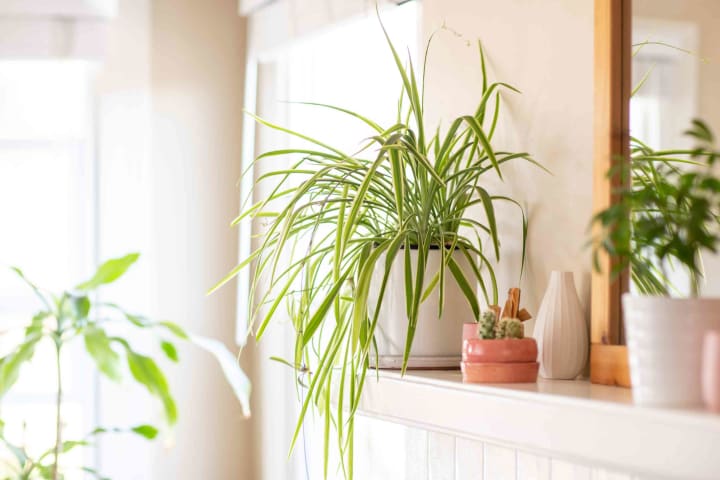
1. Spider plants: These are very easy to grow and can quickly produce new shoots that can be potted into new plants.
Here are some key characteristics and care tips for spider plants:
Spider plants have long, thin leaves that can grow up to 18 inches in length. The leaves are usually green, but some varieties have white or yellow stripes.
These plants are known for their ability to produce "babies," or small plantlets that grow on long stems. These babies can be removed and planted to grow new spider plants.
Spider plants prefer bright, indirect light, but can also tolerate low light conditions. Avoid direct sunlight, as it can scorch the leaves.
Water spider plants regularly, but allow the soil to dry out slightly between waterings. Overwatering can lead to root rot.
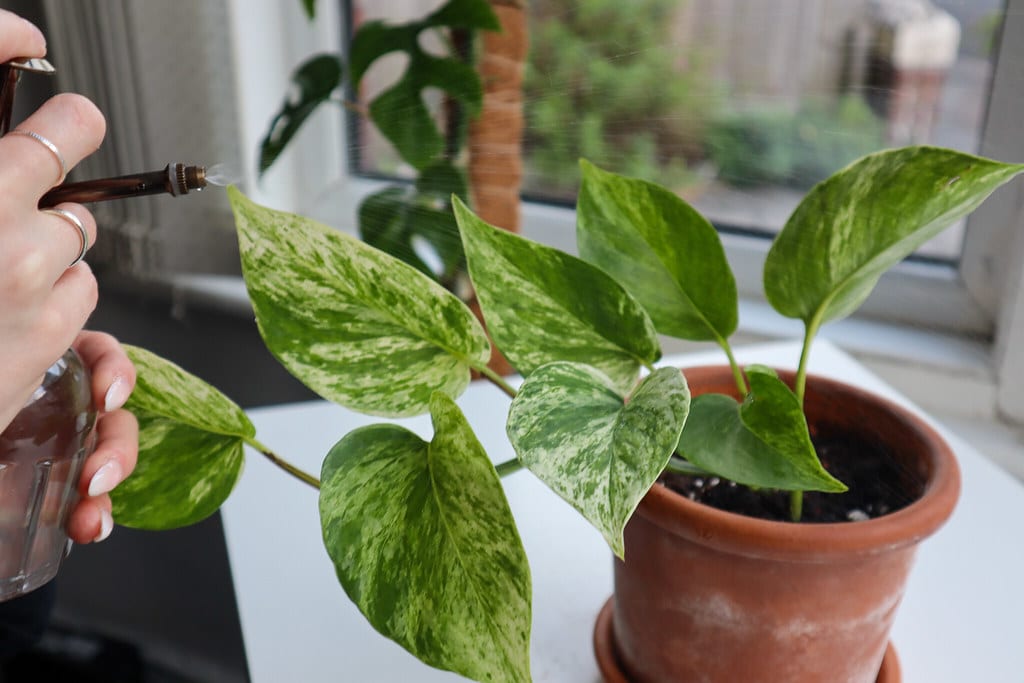
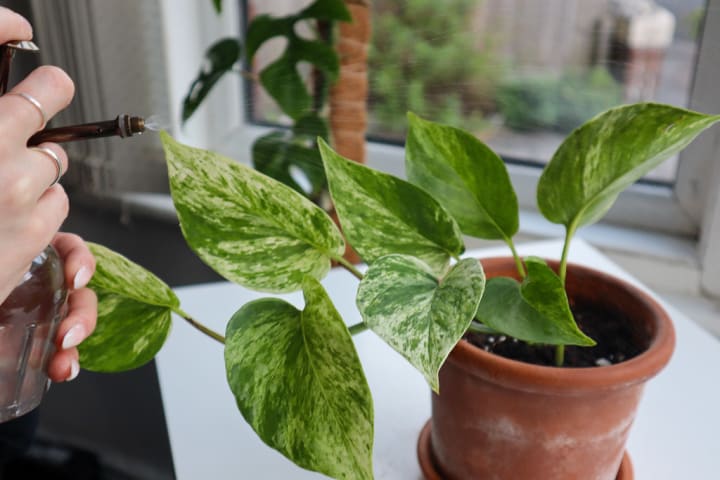
2. Pothos: Pothos plants are known for their quick growth and ability to thrive in a variety of lighting conditions.
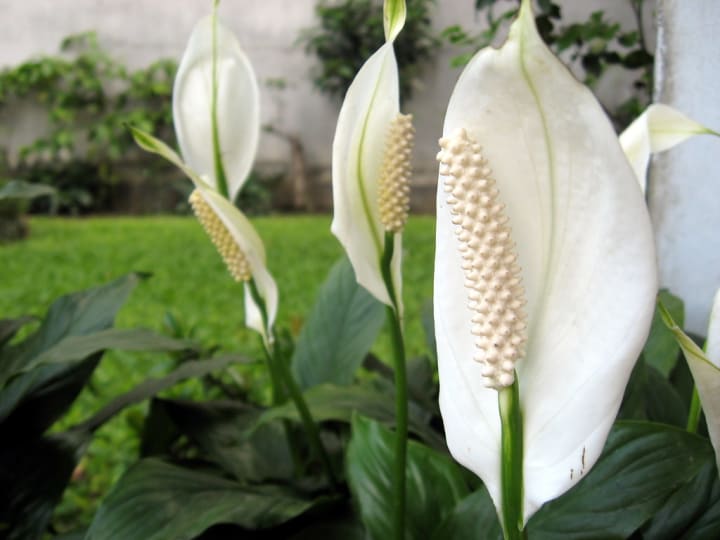
3. Peace lilies: Peace lilies can grow quickly and produce beautiful white flowers.
Description: Pothos plants are a type of vining plant that can grow up to 10 feet long indoors. They have heart-shaped leaves that come in various shades of green, white, and yellow.
Light requirements: Pothos plants prefer bright, indirect light but can also tolerate low-light conditions. Direct sunlight can burn the leaves, so it's best to place them near a window with filtered light.
Watering: Pothos plants like to have their soil kept moist but not waterlogged. Water them when the top inch of soil is dry to the touch.
Soil requirements: Pothos plants prefer well-draining soil that is rich in organic matter. A potting mix that contains peat moss, perlite, and vermiculite works well.
Temperature and humidity: Pothos plants prefer temperatures between 60-85°F (15-29°C) and moderate humidity. They can tolerate lower temperatures, but not below 50°F (10°C).
Fertilizing: Pothos plants benefit from regular fertilizing during the growing season (spring and summer). A balanced fertilizer with an NPK ratio of 10-10
4. Philodendrons: Philodendrons come in a variety of shapes and sizes and can grow quickly in the right conditions.
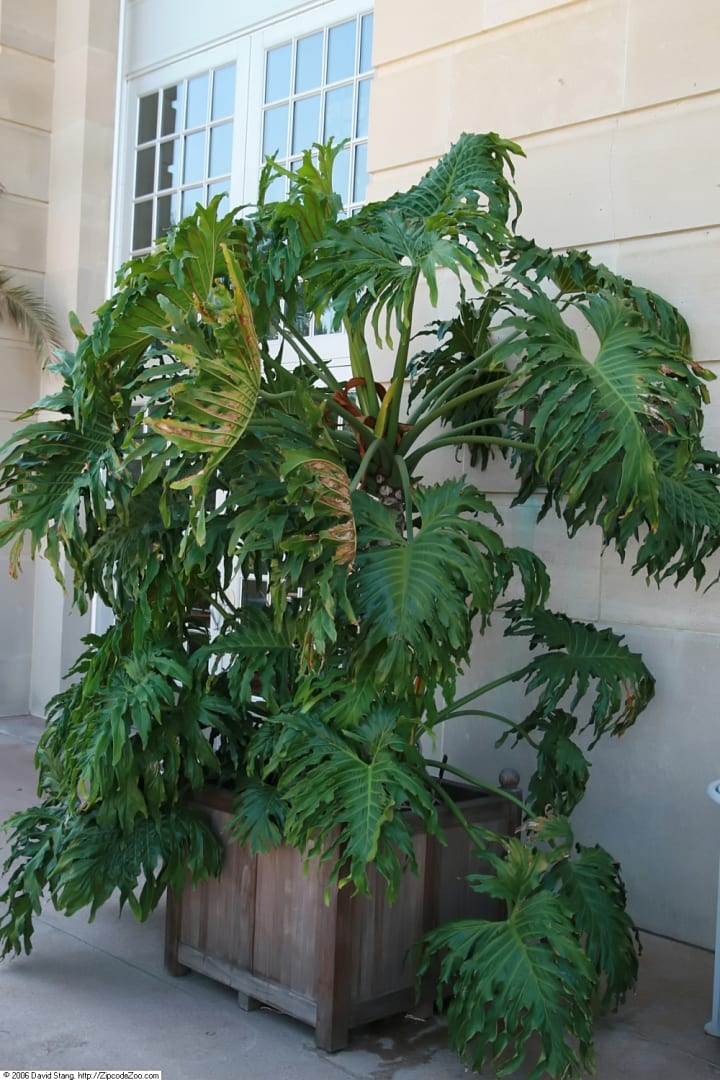
Description: Philodendrons are a genus of tropical plants that are popular as houseplants due to their attractive foliage. They have heart-shaped or oval leaves that can be glossy or matte and come in various shades of green.
Light requirements: Philodendrons prefer bright, indirect light but can also tolerate low-light conditions. Direct sunlight can burn the leaves, so it's best to place them near a window with filtered light.
Watering: Philodendrons like to have their soil kept moist but not waterlogged. Water them when the top inch of soil is dry to the touch.
Soil requirements: Philodendrons prefer well-draining soil that is rich in organic matter. A potting mix that contains peat moss, perlite, and vermiculite works well.
Temperature and humidity: Philodendrons prefer temperatures between 60-85°F (15-29°C) and moderate to high humidity. They can tolerate lower temperatures, but not below 50°F (10°C).
Fertilizing: Philodendrons benefit from regular fertilizing during the growing season (spring and summer). A balanced fertilizer with an NPK ratio of 10-10-10 is a good choice
Propagation: Philodendrons can be propagated by stem cuttings. Cut a section of stem with at least one node (where a leaf attaches to the stem), and place it in water or moist soil until roots develop.
Toxicity: Philodendrons are toxic to humans and pets if ingested, as they contain calcium oxalate crystals that can cause irritation and swelling in the mouth and throat. It's important to keep them out of reach of children and pets.
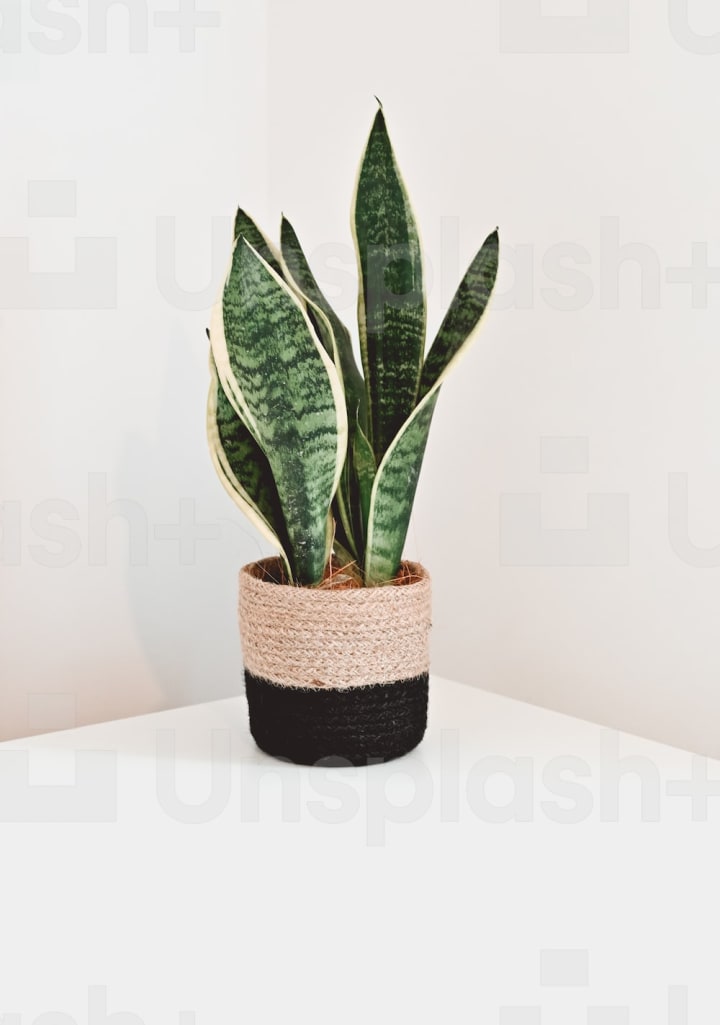
5. Snake plants: These plants are very low-maintenance and can grow quickly with minimal care.
6. Chinese evergreen: This plant is known for its ability to grow in low-light conditions and can quickly fill out a pot
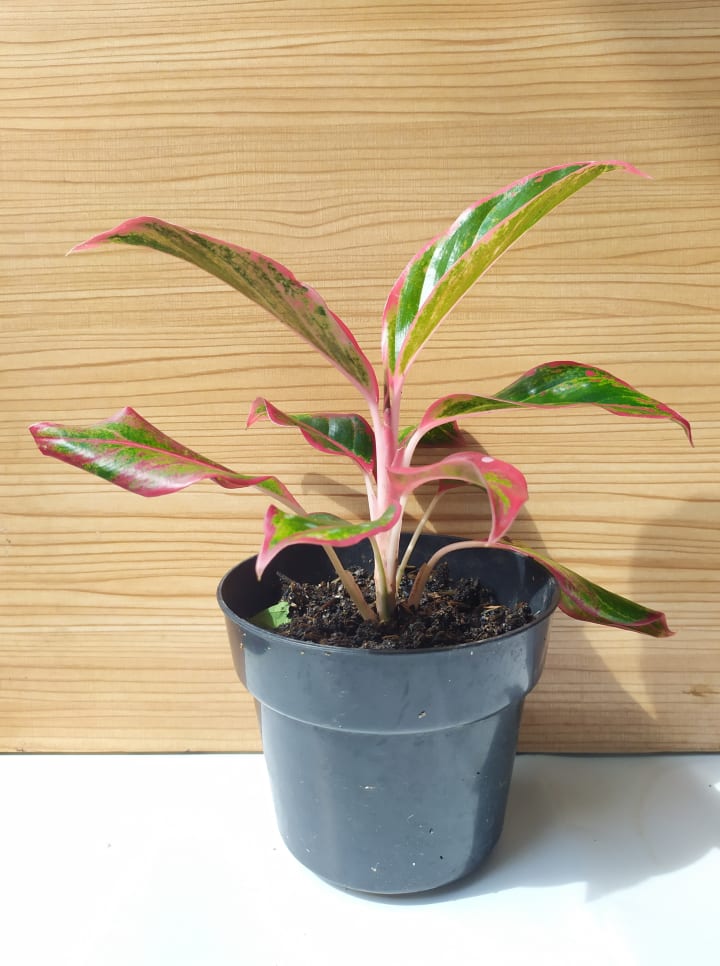
Description: Chinese evergreen (Aglaonema) is a genus of tropical plants that are popular as houseplants due to their attractive foliage. They have broad, lance-shaped leaves that can be green, silver, gray, or variegated with white, cream, or pink.
Light requirements: Chinese evergreens prefer low to moderate light conditions, and can even tolerate low light conditions. Direct sunlight can burn the leaves, so it's best to place them in a spot with filtered or indirect light.
Watering: Chinese evergreens like to have their soil kept evenly moist but not waterlogged. Water them when the top inch of soil is dry to the touch.
Soil requirements: Chinese evergreens prefer well-draining soil that is rich in organic matter. A potting mix that contains peat moss, perlite, and vermiculite works well.
Temperature and humidity: Chinese evergreens prefer temperatures between 65-80°F (18-27°C) and moderate to high humidity. They can tolerate lower temperatures, but not below 60°F (15°C).
Fertilizing: Chinese evergreens benefit from regular fertilizing during the growing season (spring and summer). A balanced fertilizer with an NPK ratio of 10-10-10 is a good choice.
Propagation: Chinese evergreens can be propagated by division. Gently remove the plant from its pot and carefully separate the roots into smaller sections. Replant each section into its own pot with fresh potting soil.
Toxicity: Chinese evergreens are toxic to humans and pets if ingested, as they contain calcium oxalate crystals that can cause irritation and swelling in the mouth and throat. It's important to keep them out of reach of children and pets.
About the Creator
Love The Green
Welcome to my page,I hope to share my experiences, insights, and knowledge with fellow nature enthusiasts.Together, we can celebrate the wonders of the natural world, and work to protect and preserve it for future generations to enjoy🌿🌲
Keep reading
More stories from Love The Green and writers in Lifehack and other communities.
Outdoor Garden
Introduction An outdoor garden refers to an area of land that is used for growing and cultivating plants, flowers, vegetables, or fruits, typically outside of a building or home. Outdoor gardens can take various forms, such as a small backyard garden, a community garden, a public park, or a commercial garden. Outdoor gardens can be designed for various purposes, such as aesthetic pleasure, food production, education, or conservation. They can also be customized to suit different styles, such as formal gardens, cottage gardens, or natural gardens. In general, outdoor gardens provide a space for people to connect with nature, relax, and enjoy the beauty and benefits of plants.
By Love The Green3 years ago in Earth
SEO Mentor Nestor Vazquez and a Different Way of Understanding Search
In many discussions about digital marketing, search engine optimization is often presented as a technical discipline. Articles tend to focus on rankings, backlinks, analytics dashboards, and algorithm updates. While these elements are certainly part of the field, they do not fully explain how people actually learn to understand search.
By House Doctor3 days ago in Lifehack
How to Find Penny Items at Dollar General
Imagine walking into Dollar General and walking out with a cart filled with items that cost you a total of less than a dollar. The lucky few who snag penny items certainly have experienced the adrenaline and happiness it creates. If you want to feel like a Queen (or king) for a day, read below to learn how you can become a DG penny-aire.
By Criminal Matters2 days ago in Lifehack



Comments (2)
superb
Good Informative