
If you have high blood pressure, you should avoid these four foods.
The main risk factors for high blood pressure include smoking, being overweight or obese, and not exercising, but nutrition also has a significant impact.

High blood pressure, or hypertension, is a common health condition that increases the risk of heart disease, stroke, and other complications. Managing high blood pressure often involves lifestyle changes, including diet modifications. Certain foods can exacerbate high blood pressure and should be avoided or consumed in moderation to maintain optimal health. Here are four foods to steer clear of if you have high blood pressure.
1. Processed and Cured Meats
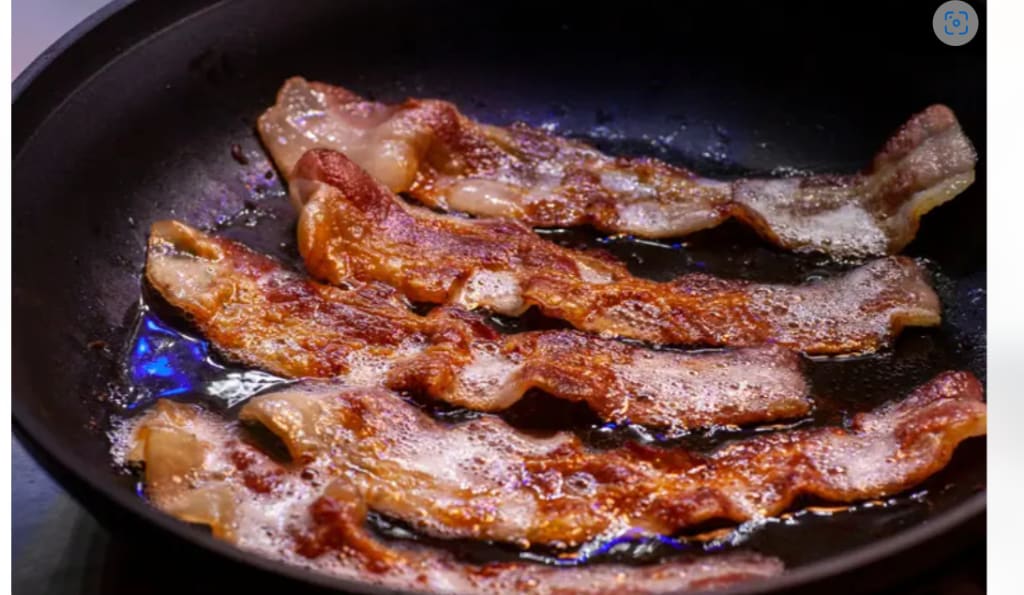
Processed and cured meats, such as bacon, sausage, hot dogs, and deli meats, are notorious for their high sodium content. Sodium is a major contributor to high blood pressure because it causes the body to retain water, leading to increased blood volume and pressure on blood vessel walls. Just a single serving of these meats can contain more sodium than the recommended daily limit for individuals with hypertension.
Moreover, processed meats often contain preservatives and additives that can further contribute to cardiovascular issues. To manage high blood pressure, it's advisable to opt for fresh, lean meats or plant-based protein sources like beans, lentils, and tofu. These alternatives are lower in sodium and saturated fats, making them heart-healthy choices.
2. Salty Snacks
Salty snacks, such as chips, pretzels, and crackers, are another category of foods that should be avoided by those with high blood pressure. These snacks are often loaded with sodium, which can quickly add up throughout the day. For example, just one ounce of potato chips can contain over 150 milligrams of sodium, which is approximately 10% of the recommended daily intake for individuals with hypertension.
their high sodium content, salty snacks are often low in nutritional value, providing empty calories that can lead to weight gain. Excess weight is another risk factor for high blood pressure, so it's important to choose healthier snack options. Fresh fruits, vegetables, unsalted nuts, and whole-grain snacks are excellent alternatives that can satisfy cravings without compromising heart health.
3. Sugary Beverages
Sugary beverages, including soda, sweetened tea, energy drinks, and even certain fruit juices, can negatively impact blood pressure. These drinks are high in added sugars, which can contribute to weight gain and obesity—both of which are risk factors for hypertension. Additionally, the excessive consumption of sugary beverages can lead to insulin resistance and inflammation, further exacerbating cardiovascular issues.
Studies have shown that reducing the intake of sugary beverages can help lower blood pressure and improve overall heart health. Instead of reaching for a sugary drink, consider hydrating with water, herbal teas, or beverages with no added sugars. These alternatives can help maintain proper hydration and support overall well-being.
4. Canned Soups and Vegetables
Canned soups and vegetables are convenient options, but they often come with a hidden cost: high sodium content. Many canned soups contain over 700 milligrams of sodium per serving, which can significantly contribute to daily sodium intake and raise blood pressure levels. Even canned vegetables, unless labeled as "low-sodium" or "no-salt-added," can contain substantial amounts of sodium due to the preservation process.
To manage high blood pressure, it's important to read labels carefully and choose low-sodium or no-salt-added options whenever possible. Better yet, consider preparing soups and vegetables from scratch using fresh ingredients. This allows for better control over sodium levels and ensures that meals are both nutritious and heart-healthy.
Managing high blood pressure is a crucial aspect of maintaining overall health and preventing serious complications. By avoiding or reducing the consumption of processed and cured meats, salty snacks, sugary beverages, and high-sodium canned foods, individuals with hypertension can take significant steps toward better blood pressure control.
Incorporating fresh, whole foods into the diet, along with regular exercise and other healthy lifestyle practices, can contribute to improved cardiovascular health and a higher quality of life.
It's also important to consult with a healthcare provider or registered dietitian to develop a personalized dietary plan that addresses individual needs and preferences. By making informed food choices and adopting a heart-healthy lifestyle, individuals can effectively manage high blood pressure and reduce the risk of associated health issues.
About the Creator
Keep reading
More stories from Francis Dami and writers in Lifehack and other communities.
The healthiest coffee varieties and those to stay away from
“If you go back 20 years, there was absolutely an abrogating bloom annual absorbed to coffee,” addendum Paul Rooke, controlling administrator of the British Coffee Association. “That has angry about completely, as bodies accept formed out that some apparatus appears from coffee back it’s broiled are acceptable for your health.”
By Francis Dami11 months ago in Lifehack
How to Keep a Garage Warm in the Winter and Protect Valuable Tools
Cold garages create real damage. Tools break down faster, and finishes don't last. Winter doesn't have to put your garage out of action, but it definitely will if you let heat slip away and ignore moisture.
By Ryan Simonsonabout 10 hours ago in Lifehack



Comments
There are no comments for this story
Be the first to respond and start the conversation.