
How to Recognize a Heart Attack and What to Do Next
Home Remedies

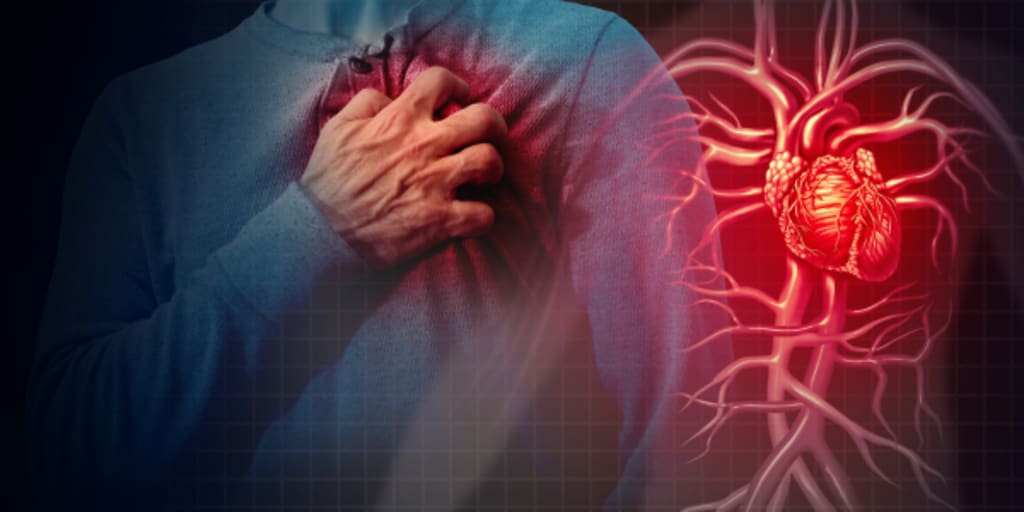
Heart attacks, also known as myocardial infarctions, can be life-threatening emergencies that require immediate attention. Being able to recognize the signs and symptoms of a heart attack is crucial for prompt action and potentially saving lives. This article aims to provide you with essential information on how to identify a heart attack and what steps to take next.
Understanding Heart Attacks
A heart attack occurs when the blood flow to a section of the heart is blocked, typically due to a clot in one of the coronary arteries. This blockage prevents oxygen and nutrients from reaching the heart muscle, leading to its damage or even death if not treated promptly. Understanding the mechanisms behind a heart attack helps in recognizing its symptoms accurately.
Common Symptoms of a Heart Attack
Chest Discomfort: The most common symptom is a feeling of pressure, tightness, or pain in the chest that may last for several minutes.
Pain Spreading to the Arm: The pain may radiate to the left arm, but it can also extend to the right arm, back, neck, or jaw.
Shortness of Breath: Difficulty breathing or feeling out of breath, often accompanying chest discomfort.
Nausea, Indigestion, or Heartburn: Some individuals may experience gastrointestinal symptoms during a heart attack.
Dizziness or lightheadedness: Feeling faint, dizzy, or lightheaded without an apparent cause.
Cold Sweat: Sudden perspiration or a feeling of clamminess, even if the environment is not warm.
Fatigue: Unusual and overwhelming fatigue, often experienced in the days leading up to the heart attack.
Anxiety: A sense of impending doom or extreme anxiety may be present.
Risk Factors for Heart Attacks
Several factors contribute to an increased risk of heart attacks.
It's essential to be aware of these risk factors to take appropriate preventive measures.
Common risk factors include:
Age: The risk of heart attacks increases with age, particularly for men over 45 and women over 55.
Gender: Men are generally at higher risk than premenopausal women. However, the risk for women increases after menopause.
Family History: Having a close family member who experienced a heart attack increases the likelihood of developing one.
Smoking: Tobacco use, including secondhand smoke exposure, significantly raises the risk of heart attacks.
High Blood Pressure: Uncontrolled hypertension puts stress on the heart and increases the risk.
High Cholesterol: Elevated levels of cholesterol contribute to the formation of plaque in the arteries, leading to blockages.
Obesity: Being overweight or obese increases the strain on the heart and raises the risk of heart attacks.
Diabetes: Individuals with diabetes are at higher risk due to complications that affect blood vessels.
Inactive Lifestyle: Lack of regular physical activity can contribute to heart disease and heart attacks.
Stress: Chronic stress and poorly managed mental health can impact cardiovascular health.
Steps to Recognize a Heart Attack
Recognizing a heart attack promptly can make a crucial difference. Here are the steps to help you identify a heart attack:
Know the Symptoms:
Familiarize yourself with the common symptoms mentioned earlier and be vigilant.
Trust Your Instincts:
If you or someone around you experiences symptoms that concern you, don't ignore them.
Don't Wait:
Time is critical during a heart attack. Take immediate action if symptoms persist for more than a few minutes.
Immediate Actions to Take
In case you suspect a heart attack, follow these immediate actions:
Call Emergency Services:
Dial your local emergency number without delay.
Chew Aspirin:
If you have aspirin on hand and are not allergic, chew a regular dose (325 mg) while waiting for help.
Stay Calm:
Try to remain calm and reassure the person experiencing the heart attack. Stress can worsen the situation.
Once emergency services are on their way, it's essential to seek medical help promptly:
Wait for Emergency Personnel:
Avoid self-transportation, as emergency medical services can provide the necessary care en route.
Share Information: Inform the medical team about the suspected heart attack and any relevant medical history.
Follow Medical Recommendations:
Cooperate with the healthcare professionals and follow their instructions for further evaluation and treatment.
Emergency Treatment for Heart Attacks
The medical team will provide emergency treatment for a heart attack, which may include:
Oxygen Therapy:
Supplemental oxygen is often administered to increase oxygen levels in the blood.
Medications:
Aspirin and other clot-busting or antiplatelet medications may be given to restore blood flow.
Cardiac Procedures:
Procedures like percutaneous coronary intervention (PCI) or coronary artery bypass grafting (CABG) may be necessary to restore blood flow.
Post-Heart Attack Care
After surviving a heart attack, individuals need to focus on recovery and adopt a healthier lifestyle:
Cardiac Rehabilitation: Participate in a supervised rehabilitation program to regain strength and promote heart health.
Medication Management: Follow prescribed medications and attend regular follow-up appointments with healthcare providers.
Dietary Changes: Adopt a heart-healthy diet low in saturated fats, cholesterol, and sodium.
Regular Exercise: Engage in regular physical activity as advised by healthcare professionals.
Stress Management: Employ stress-reduction techniques and seek emotional support to improve overall well-being.
Emotional Support and Coping
Experiencing a heart attack can be traumatic, so it's crucial to address emotional well-being:
Support Networks:
Seek support from family, friends, or support groups to share experiences and receive guidance.
Mental Health Care:
Consult with mental health professionals to manage anxiety, depression, or post-traumatic stress disorder (PTSD) that may arise after a heart attack.
Recognizing a heart attack and taking prompt action is vital for saving lives and reducing the potential damage to the heart. By understanding the symptoms, risk factors, and steps to take, you
About the Creator
Keep reading
More stories from chandani Ruwan Kumari and writers in Lifehack and other communities.
Enhance Your Brain Health: Essential Morning Practices for Peak Mental Performance
Your brain's health and general mental performance can be greatly influenced by your morning routine. You may enhance your cognitive function, sharpen your attention, and increase your productivity throughout the day by adopting particular techniques into your morning routine. This post will discuss numerous methods to jump-start your morning routine and encourage peak mental wellness.
By chandani Ruwan Kumari3 years ago in Lifehack
The Basics of Successful Property Renovation Projects.
Property renovation is a cornerstone of real estate development, especially in markets with distressed or foreclosed homes. In cities across the country—from rapidly growing metros to legacy industrial hubs—renovation plays a vital role in revitalizing housing stock and meeting buyer demand. Successful renovation projects require careful planning, disciplined execution, and proactive management to maximize value and ensure the property meets modern buyer expectations. When approached strategically, renovation transforms underutilized properties into desirable homes while strengthening communities and generating strong financial returns.
By JB Hoover, Newport Beach7 days ago in Lifehack
Are LED downlights better than halogen for kitchens
When planning a kitchen, bathroom, or full home renovation in Sydney, lighting is one of those details that quietly decides whether the space feels amazing—or just “okay.” Cabinets can be beautiful, stone benchtops can look like art, but if the lighting is wrong, the whole kitchen suddenly feels flat.
By John Zhanga day ago in Lifehack



Comments
There are no comments for this story
Be the first to respond and start the conversation.