
How to Perform a Home Mole Check: Some Tips from Skin Professionals
Your Guide to Early Detection: Expert Tips for a Thorough Home Mole Check

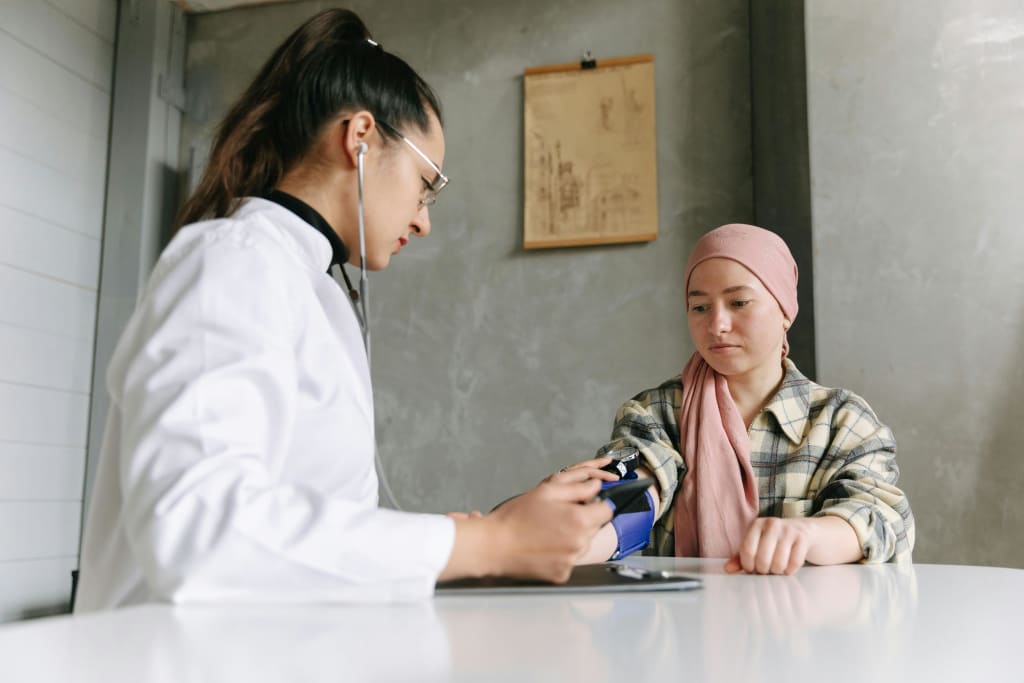
Moles are some of the most common skin features, most of which are not harmful to health. Sometimes, however, changes in their appearance may show skin problems-even cancer. Regular home checks on moles are among the most critical parts of any skin care routine. This guide shall seek to help you understand how effectively to check moles and when you should seek professional help.
Why Checks of Moles are Important
Skin cancer, along with melanoma, is the most widespread type of oncological disease in the contemporary world. One of the most effective methods of treatment concerning this kind of oncology is early detection. Self-home checks of moles for cancer allow tracking of changes and acting in good time.
The ABCDE Rule: A Simple Guide to Self-Mole-Check
Dermatologists advise a self-examination of moles at home, using the ABCDE rule to know which of those moles can be cancerous.
A – Asymmetry
If one half of the mole does not look like the other half in appearance and/or concerning size, it could be a suspect.
B – Border
Moles featuring jagged, rough, or fuzzy edges call for a doctor's opinion.
C – Color
Moles that display more than one color or an uneven distribution of color, like brown, black, red, white, or shades of these colors, should raise your suspicion.
D – Diameter
Moles the size of an eraser at the top of a pencil (more than 6 millimeters across) may be suspicious, but smaller moles can be cancerous, too.
E – Evolving
Any mole that changes in size, shape, color, or elevation over time should be evaluated. Additionally, moles that itch, bleed, or crust over require medical review.
How to Perform a Mole Check at Home
1. Gather the Right Tools
To check your moles effectively, you’ll need:
A long mirror and a hand mirror.
Good light.
A ruler or measuring tape.
A smartphone or logbook to monitor changes.
2. Check All Parts of Your Body
Skin cancer can occur anywhere, even on parts of your skin that are not normally in the sun. Be sure to check the following:
Face, scalp, and neck.
Chest, abdomen, and back.
Arms, legs, and between your fingers and toes.
Soles of your feet and underneath your nails.
Using a handheld mirror will also let you see those areas of your body that you can't see otherwise, like your back.
3. Record Your Observations
Take clear, dated photos of your moles for future tracking. If significant change is noticed in later checks, consult a dermatologist.
What is Mole Mapping?
Mole mapping is a specialized dermatological service that involves creating a detailed map of all the moles on your body. This allows for close monitoring of changes over time. If you’ve searched for “mole mapping near me,” you’re likely interested in this professional service to complement your at-home checks.
Benefits of Mole Mapping
- Provides a baseline for future mole comparisons.
- Helps detect new moles or changes in existing ones.
- Done by a professional with high-end imaging equipment
How to Find Services That Will Provide Mole Mapping to You
Google it or ask your doctor for suggestions. Make they are a Board Certified dermatologist or skin clinics which offer skin cancer diagnosis.
When to See A Professional
While self-inspection of mole changes is highly important, some signs deserve the professional's attention. These are:
- Changes That Last: A mole that appears to alter in any way during the course of time, for instance, over the period of weeks or months.
- Symptoms That Concern: A mole is painful, itchy, bleeds or oozes.
- Presence Of Multiple Dysplastic Nevi: If you have a history of skin cancer or lots of abnormal moles, then you need to go for regular checkups from your dermatologist.
Skin Protection Tips
Prevention is the best means to reduce the risk of developing skin cancer. Aside from monitoring the changing nature of your moles, here are the ways to protect your skin: 1. Use of Sunscreen Daily Use broad-spectrum sunscreen on skin that will be exposed. Apply daily at least; use SPF 30 on bright and cloudy days. 2. Wear Protective Clothing
Hats, sunglasses, and clothes made to block the sun's rays protect your skin.
3. Avoid Tanning Beds
As a result of tanning beds, there are increasing risks of melanomas because of exposure to artificial UV radiation by lying under them.
4. Stay Informed
Determine your skin type and the risk that you specifically have. Listen on a regular basis to reports pertaining to skin health
How regularly should a mole check be conducted?
Dermatologists advise to perform a month-to-month mole check. Because of such a habit, one may notice small changes in the early stage of development. Besides, don't forget to check your skin with a professional once a year or more often in the presence of the following risk factors: fair skin, sunburn, or skin cancer in family medical history.
Conclusion
Periodic home checking of moles is a good proactive measure your skin may appreciate. Enlist the ABCDE rule, including mole mapping services, to keep you ahead of it. The truth will be that the best defense against skin cancer is early detection. Consult a dermatologist immediately should you find something suspicious. Find professional mole mapping near you and seek an esteemed provider.
Your skin is the largest organ in your body; take good care of it-be watchful!
About the Creator
National Skin Cancer Centres
At our skin cancer clinic in Melbourne, Berwick Skin Cancer Centre, we provide a comprehensive approach to looking after your skin health.
Keep reading
More stories from National Skin Cancer Centres and writers in Lifehack and other communities.
How Mole Mapping Near Me Can Help Track Skin Changes Over Time
Skin health is a critical aspect of well-being. For those who are worried about changes in their skin, mole mapping is an innovative technique that enables the early detection and monitoring of a variety of skin conditions, including signs of skin cancer. Let's outline why mole mapping is important, its benefits, and how it aids in checking moles for cancer in this article. Whether it's mole removal on the Sunshine Coast or beyond, in places like Townsville, this guide will lead you through understanding the importance of professional care.
By National Skin Cancer Centresabout a year ago in Lifehack
Premium Gas Is Draining Your Wallet — Unless Your Engine Needs It
Have you ever wondered whether premium fuel could actually help your engine? Fuels rated at 91–93 octane do resist detonation better than lower-octane fuels, and in some cases they can burn more completely. But does that mean your engine will run better, last longer, or get more power?
By Jack Martina day ago in Lifehack
Being Human Is Heavy
No one tells you that being human comes with a weight you cannot put down. Not when you’re born, not when you learn to walk, not even when you learn to love. It arrives quietly, accumulating over years, stacking itself in invisible layers until one day you wake up tired for no clear reason. You blame sleep. You blame work. You blame age. But the truth is simpler and harder: being human is heavy.
By LUNA EDITH4 days ago in Lifehack



Comments
There are no comments for this story
Be the first to respond and start the conversation.