
How To Overcome Anxiety Naturally
How To Overcome Anxiety Naturally


1. Practice Deep Breathing
One of the quickest ways to calm anxiety is through deep breathing. When you're anxious, your breathing tends to become shallow and rapid, which can increase feelings of panic. Deep breathing helps slow your heart rate, lower blood pressure, and promote relaxation.
Try the 4-7-8 Breathing Technique:
- Inhale deeply through your nose for 4 seconds.
- Hold your breath for 7 seconds.
- Exhale slowly through your mouth for 8 seconds.
- Repeat for a few minutes until you feel calmer.
This simple practice can be done anytime, anywhere, and is highly effective in managing anxious thoughts.
2. Exercise Regularly
Physical activity is a powerful way to combat anxiety. Exercise releases endorphins, which are natural mood boosters. It also helps reduce stress hormones like cortisol.
Best Exercises for Anxiety:
- Walking or jogging in nature
- Yoga or Pilates
- Strength training
- Swimming or cycling
- Dancing
Even a 20-minute walk outside can significantly improve your mood and reduce anxious feelings.
3. Eat a Healthy Diet
What you eat has a direct impact on your mental health. A balanced diet can help stabilize your mood and reduce anxiety symptoms.
Foods That Help Reduce Anxiety:
- Omega-3 Fatty Acids: Found in fish, flaxseeds, and walnuts, omega-3s help reduce inflammation and support brain function.
- Magnesium-Rich Foods: Bananas, spinach, nuts, and avocados can help relax the nervous system.
- Probiotic Foods: Yogurt, kefir, and fermented foods support gut health, which is linked to mental health.
- Complex Carbohydrates: Whole grains, oats, and sweet potatoes help stabilize blood sugar levels and prevent mood swings.
Try to limit caffeine, sugar, and processed foods, as they can contribute to anxiety.
4. Get Enough Sleep
Lack of sleep can make anxiety worse. When you're well-rested, your body and mind are better equipped to handle stress.
Tips for Better Sleep:
- Stick to a consistent sleep schedule.
- Create a relaxing bedtime routine (reading, meditation, or warm tea).
- Avoid screens (phones, TVs, and laptops) at least an hour before bed.
- Keep your bedroom dark, cool, and quiet.
- Limit caffeine and alcohol before bedtime.
Quality sleep is essential for reducing anxiety and maintaining emotional balance.
5. Try Herbal Remedies
Certain herbs have calming properties and can help reduce anxiety naturally.
Effective Herbal Remedies:
- Chamomile: A soothing tea that helps relax the mind.
- Lavender: Used in aromatherapy to promote relaxation and better sleep.
- Ashwagandha: An adaptogenic herb that helps the body manage stress.
- Valerian Root: Often used as a natural remedy for anxiety and insomnia.
Always check with a healthcare provider before trying herbal supplements, especially if you are on medication.
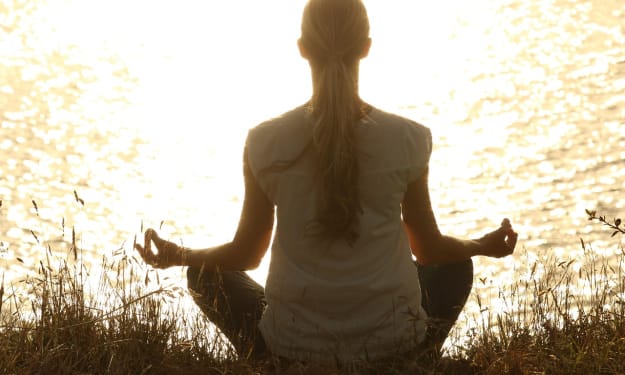
6. Practice Mindfulness and Meditation
Mindfulness and meditation can help you stay present and reduce anxious thoughts.
How to Practice Mindfulness:
- Focus on your breathing.
- Observe your thoughts without judgment.
- Engage in activities mindfully (eating, walking, or even washing dishes).
Guided meditation apps like Headspace and Calm can be helpful for beginners. Even just 5-10 minutes a day can make a big difference.
7. Stay Connected with Loved Ones
Isolation can worsen anxiety, so it's important to stay connected with friends and family. Talking to someone you trust can help you gain perspective and feel supported.
If you're struggling, don’t hesitate to reach out to a close friend, family member, or support group. Sometimes, just knowing you're not alone can ease anxiety.
8. Limit Screen Time and Social Media
Spending too much time on social media can contribute to anxiety, especially if you're constantly comparing yourself to others.
Ways to Reduce Screen Time:
- Set daily limits for social media use.
- Take breaks from screens throughout the day.
- Engage in offline activities like reading, hobbies, or exercise.
Reducing screen time can help you feel more present and less overwhelmed.
9. Engage in Relaxing Activities
Finding activities that help you unwind is crucial for managing anxiety.
Try These Relaxing Activities:
- Journaling your thoughts and feelings.
- Listening to calming music or nature sounds.
- Practicing gratitude by listing things you’re thankful for.
- Engaging in creative activities like painting, knitting, or playing an instrument.
Doing things you enjoy can help shift your focus away from anxious thoughts.
10. Challenge Negative Thoughts
Anxiety often comes from negative thinking patterns. Learning to challenge these thoughts can help you regain control.
Cognitive Reframing:
- Identify the negative thought (e.g., "I'm going to fail this test").
- Question its validity (e.g., "Have I studied? Have I passed tests before?").
- Replace it with a more realistic thought (e.g., "I’ve prepared, and I’ll do my best").
Over time, this practice can help reduce anxiety and build a more positive mindset.
About the Creator
The Content Crafter
Hi, I’m Vikas! I write Content and Stories that hit the Feels and Education.
- 📚 Education
- 🍔 Food
- 🏥 Health
- 🔢 Angel Number
- 📝 Poet
- 📖 Stories
- 🏺 History
- ⭐ Review
- 🌌 Space and Earth
- 🎮 Games
- 👻 Horror
📲Please 🔔 Subscribe 🔔 Me ❤️
Keep reading
More stories from The Content Crafter and writers in Lifehack and other communities.
Self Care Sunday
In today’s fast-paced world, finding time to slow down and focus on personal well-being is crucial. That’s where Self Care Sunday comes in—a dedicated day to relax, recharge, and nourish yourself physically, emotionally, and mentally. Whether you're dealing with work stress, family responsibilities, or just the pressures of daily life, setting aside one day a week for self-care can work wonders for your overall health.
By The Content Crafterabout a year ago in Lifehack
How to Use Sound Healing Tuning Forks for Balance and Wellness
Sound therapy has been used for centuries to support relaxation, clarity, and overall well-being. Today, sound healing tuning forks are one of the most accessible and effective tools for personal and professional energy work.
By Adria Hargrave7 days ago in Lifehack
The Piggy Project
I’ve had so many names in this life I lose track of which ones were ever really mine and which ones I wore because someone needed me to. Some were handed to me before I had words to refuse them, before I knew what they meant, before I knew I could say no. Most weren’t meant to hurt. That doesn’t mean they didn’t leave marks. Marks that told me who I belong to, who I am by way of who claims me, recognizes me in the good and bad, who walks beside me.
By Fatal Serendipityabout 18 hours ago in Confessions



Comments
There are no comments for this story
Be the first to respond and start the conversation.