
How to Make Homemade Bread: A Beginner's Guide
From Flour to Fabulous: Embark on Your Bread-Making Journey

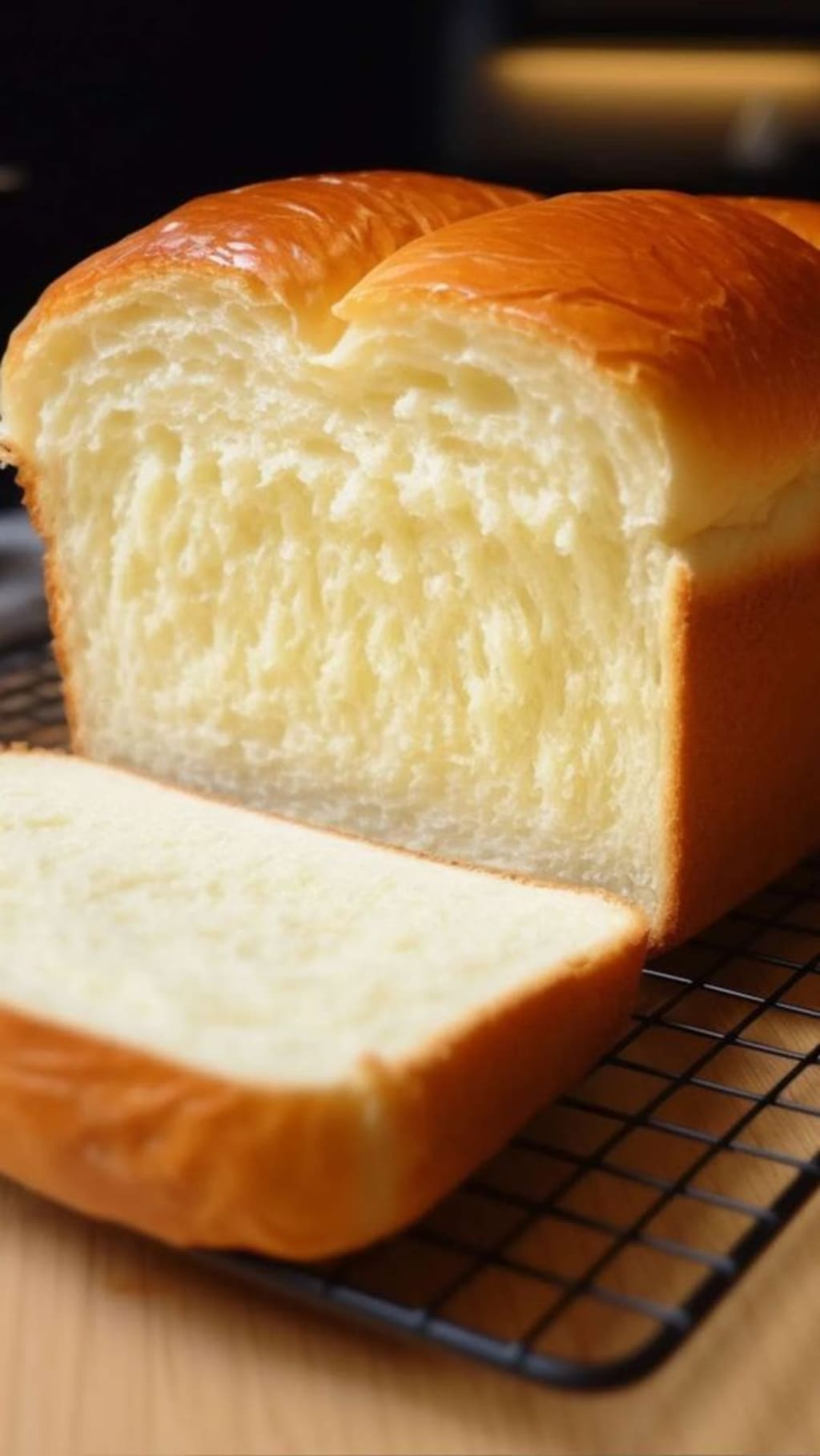
There's something incredibly satisfying about the aroma of freshly baked bread filling your home. Making homemade bread might seem daunting, but with the right guidance and a bit of practice, anyone can become a bread-making master. This beginner's guide will take you through the steps of making delicious homemade bread, providing tips and tricks along the way to ensure success. Ready to embark on this culinary adventure? Let's get started!
The Basics of Bread-Making
Before diving into the recipe, it's essential to understand the basic ingredients and their roles in bread-making:
Flour: The foundation of your bread. All-purpose flour or bread flour is recommended for beginners.
Yeast: The leavening agent that makes your bread rise. Active dry yeast is commonly used, but instant yeast works well too.
Water: Hydrates the flour and activates the yeast. The temperature of the water is crucial; lukewarm (about 110°F or 45°C) is ideal.
Salt: Enhances flavor and controls yeast activity.
Sugar: Feeds the yeast, helping it grow and create a light, airy texture.
Fat: (Optional) Adds richness and softness to the bread. Common fats include butter, olive oil, or vegetable oil.
The Perfect Bread Recipe
Here’s a simple and reliable recipe for beginners:
Ingredients:
4 cups all-purpose or bread flour
1 packet (2 1/4 teaspoons) active dry yeast
1 1/2 cups warm water (110°F or 45°C)
2 teaspoons salt
2 tablespoons sugar
2 tablespoons olive oil (optional)
Instructions:
1. Activate the Yeast
In a small bowl, dissolve the sugar in warm water. Sprinkle the yeast over the water and let it sit for about 5-10 minutes, until it becomes frothy. This indicates that the yeast is active and ready to use.
2. Mix the Dough
In a large mixing bowl, combine the flour and salt. Make a well in the center and pour in the yeast mixture. If using, add the olive oil. Mix until a rough dough forms. You can use a wooden spoon or your hands for this step.
3. Knead the Dough
Turn the dough out onto a floured surface and knead it for about 8-10 minutes. Kneading develops the gluten, which gives the bread its structure and chewiness. The dough should become smooth and elastic.
4. First Rise
Place the kneaded dough in a lightly oiled bowl, turning it to coat all sides with oil. Cover the bowl with a clean kitchen towel or plastic wrap and let it rise in a warm, draft-free area for about 1-2 hours, until it has doubled in size.
5. Shape the Dough
Once the dough has risen, punch it down to release any air bubbles. Turn it out onto a floured surface and shape it into a loaf. You can shape it into a round boule, a traditional loaf, or even rolls.
6. Second Rise
Place the shaped dough onto a baking sheet or in a loaf pan. Cover it again and let it rise for about 30-45 minutes, until it has doubled in size once more.
7. Bake the Bread
Preheat your oven to 375°F (190°C). Bake the bread for 25-30 minutes, or until it is golden brown and sounds hollow when tapped on the bottom. For an extra crispy crust, place a small dish of water in the oven while baking.
8. Cool and Enjoy
Allow the bread to cool on a wire rack before slicing. This helps the texture set and makes slicing easier. Enjoy your homemade bread with butter, jam, or as a base for your favorite sandwiches.
Tips for Successful Bread-Making
Measure Accurately: Use a kitchen scale for precise measurements, especially with flour.
Temperature Matters: Keep an eye on the temperature of your water and your rising environment. Yeast thrives in warmth but can die if it's too hot.
Practice Patience: Good bread takes time. Don't rush the rising process; it's crucial for developing flavor and texture.
Experiment with Flavors: Once you're comfortable with the basic recipe, try adding herbs, spices, nuts, or dried fruits to create unique flavors.
Don't Be Discouraged: If your first few attempts aren't perfect, don't give up. Bread-making is an art that improves with practice.
Conclusion
Making homemade bread is a rewarding experience that connects you with the age-old tradition of baking. With this beginner's guide, you're well on your way to creating delicious, fresh bread that will impress your family and friends. So, roll up your sleeves, grab your ingredients, and start baking your way to bread-making success. Happy baking!
About the Creator
Stella Bang
Creative writer passionate about storytelling. With a background in creative writing, I love exploring diverse genres and weaving words into captivating narratives. Always on the lookout for new adventures and inspirations.
Keep reading
More stories from Stella Bang and writers in Lifehack and other communities.
The Best Healthy Breakfast Recipes for Kids: Energizing and Delicious Start to the Day
Breakfast is the most important meal of the day, especially for growing kids. It sets the tone for their energy levels, concentration, and overall mood throughout the day. Finding healthy breakfast options that are also appealing to children can be a challenge, but with the right recipes, it's entirely possible. This guide will inspire and engage you with some of the best healthy breakfast recipes for kids, ensuring they start their day on a nutritious and delicious note.
By Stella Bangabout a year ago in Lifehack
How to choose a hiking sleeping bag
Wherever the night finds you, a comfortable and full sleep will always be a priority. And it doesn't matter if you are in a cosy hotel or tent. Therefore, if you are planning a hike in the mountains with an overnight stay, it is important to take care of the necessary equipment for a comfortable and safe sleep. It's about a sleeping bag.
By Olaf Podolski7 days ago in Lifehack



Comments
There are no comments for this story
Be the first to respond and start the conversation.