
HOW TO LOSE WEIGHT VERY FAST
Losing weight quickly can be a challenging endeavor, requiring dedication and a well-designed plan.
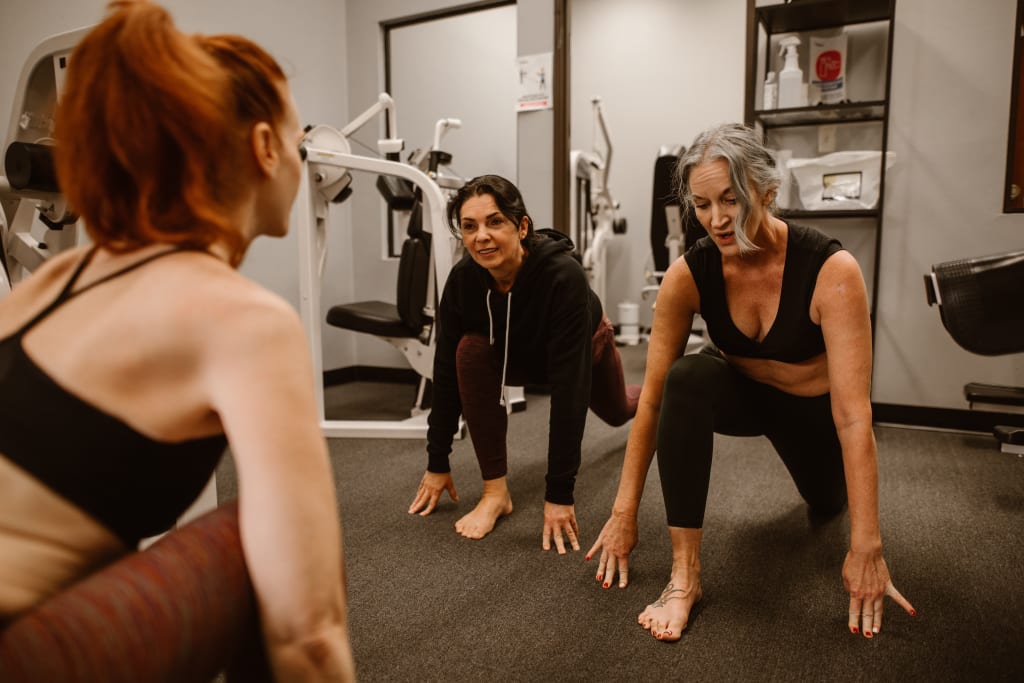
While it's important to prioritize your overall health and well-being, there are strategies you can employ to jumpstart your weight loss journey. This article will provide you with valuable insights and techniques to help you lose weight rapidly. However, it's essential to consult with a healthcare professional before implementing any drastic changes to ensure they align with your personal circumstances and goals.
Create a Calorie Deficit:
To lose weight fast, you need to consume fewer calories than your body burns. Calculate your daily calorie needs and create a calorie deficit by reducing your intake. Focus on nutrient-dense foods, such as fruits, vegetables, lean proteins, and whole grains, to ensure you're getting essential nutrients while cutting calories.
Increase Physical Activity:
Regular exercise can boost your weight loss efforts. Incorporate both cardiovascular exercises, like running or swimming, and strength training exercises to improve muscle tone and increase your metabolism. Aim for at least 150 minutes of moderate-intensity exercise or 75 minutes of vigorous-intensity exercise each week.
Monitor Portion Sizes:
Be mindful of portion sizes to control your calorie intake. Use smaller plates, bowls, and glasses to create an illusion of a fuller plate. Additionally, try to eat slowly, savoring each bite, as it takes time for your brain to register that you're full.
Stay Hydrated:
Drinking water not only keeps you hydrated but also aids in weight loss. Water can help suppress your appetite, boost your metabolism, and increase the number of calories you burn. Aim to drink at least 8 cups (64 ounces) of water per day or more if you're physically active.
Limit Processed Foods and Added Sugars:
Processed foods and added sugars are often high in calories and low in nutritional value. Minimize your intake of sugary beverages, sweets, processed snacks, and fast food. Instead, opt for whole, unprocessed foods like fruits, vegetables, lean proteins, and whole grains.
Get Sufficient Sleep:
Adequate sleep is crucial for weight loss. Lack of sleep can disrupt hormones that regulate appetite, leading to increased cravings and overeating. Strive for 7-9 hours of quality sleep each night to support your weight loss efforts.
Practice Mindful Eating:
Developing mindful eating habits can help you recognize hunger and fullness cues, preventing overeating. Eat slowly, savor your meals, and pay attention to your body's signals. Avoid distractions, such as watching TV or using electronic devices, while eating.
Consider Intermittent Fasting:
Intermittent fasting is an eating pattern that alternates between periods of fasting and eating. It can help reduce calorie intake and promote weight loss. However, it's important to approach intermittent fasting cautiously and consult with a healthcare professional for guidance.
Manage Stress:
Stress can contribute to weight gain and hinder weight loss efforts. Find healthy ways to manage stress, such as regular exercise, meditation, deep breathing exercises, or engaging in hobbies you enjoy. Prioritizing self-care can make a significant difference in your weight loss journey. Build a support system: Surround yourself with supportive and like-minded individuals who can provide encouragement and guidance during your weight loss journey. Share your challenges and successes with them to alleviate stress and stay motivated
If you find that stress is overwhelming or interfering with your weight loss progress, consider seeking support from a therapist or counselor who specializes in stress management or weight loss. They can provide personalized guidance and strategies to help you cope effectively.
Conclusion:
Losing weight rapidly requires a multifaceted approach that combines a calorie deficit, increased physical activity, mindful eating, and healthy lifestyle habits. While these strategies can help you shed pounds quickly, it's important to remember that sustainable weight loss is a long-term commitment. Focus on making gradual, healthy changes that you can maintain over time, and always consult with a healthcare professional for personalized advice.
About the Creator
Keep reading
More stories from Ejiofor Chidiebere Christian and writers in Lifehack and other communities.
HOW TO TRAIN YOUR DOGS
Training your dog is a rewarding and essential part of responsible pet ownership. Not only does it strengthen the bond between you and your furry friend, but it also ensures their safety and promotes good behavior. Whether you have a new puppy or an adult dog, this guide will provide you with valuable tips and techniques to effectively train your canine companion.
By Ejiofor Chidiebere Christian3 years ago in Petlife
5 Best AI Tools for Women
A modern woman's life is full of tasks. We need to balance work, home, family, friends, and personal care. But with only 24 hours in a day, we often struggle to find time for our favorite activities because we need to plan what to cook for dinner or make a shopping list for the week. It can all feel overwhelming, but the load can be made lighter with the help of AI, as many of our daily tasks can be delegated to various AI assistants. What apps can help you spend more time on yourself? Read on to find out.
By Lesya Chumak7 days ago in Lifehack
Worth the Wait: Puerto Viejo, Costa Rica
Beach bumming in a small Caribbean beach town sounded like a perfect way to end our 6-month trip through Mexico and Central America. Or so we thought. The foul, fishy stench of rotten seaweed hit our nostrils as we stepped from the cramped bus and looked out at a rather depressing, empty, and underwhelming black sand beach. It was pouring with rain, and we had to quickly fish out our ponchos. We thought, this couldn’t be it, could it?
By Sh*t Happens - Lost Girl Travel7 days ago in Wander




Comments
There are no comments for this story
Be the first to respond and start the conversation.