
HOW TO TRAIN YOUR DOGS
Training your dog is an ongoing process that requires dedication, patience, and consistency.
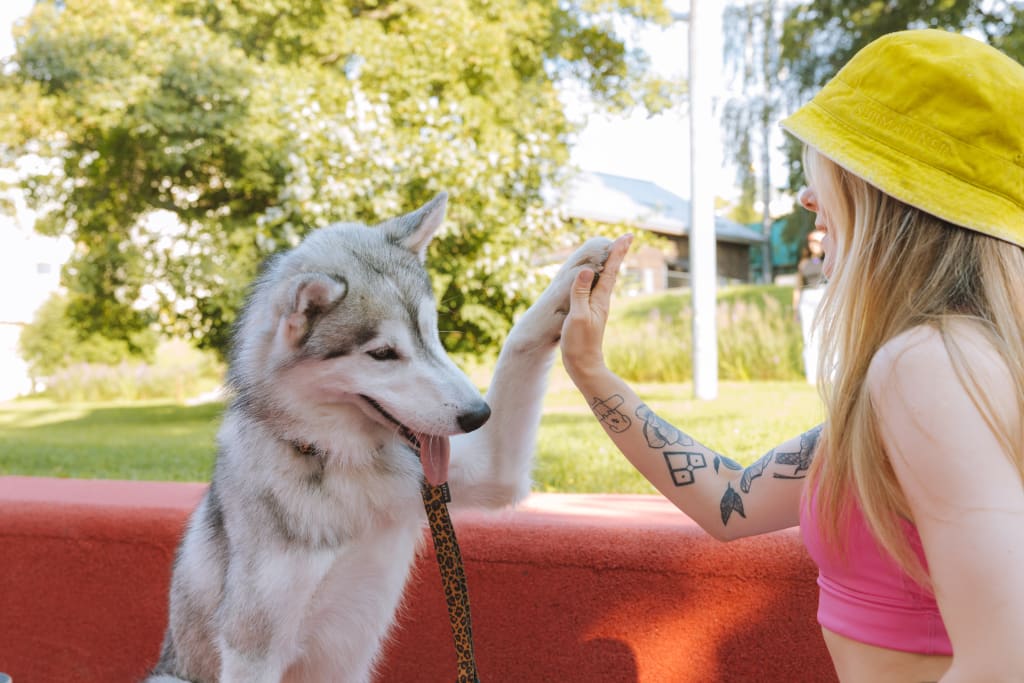
Training your dog is a rewarding and essential part of responsible pet ownership. Not only does it strengthen the bond between you and your furry friend, but it also ensures their safety and promotes good behavior. Whether you have a new puppy or an adult dog, this guide will provide you with valuable tips and techniques to effectively train your canine companion.
1. Establish a Strong Foundation:
Establishing a strong foundation when training a dog is crucial for their overall obedience and well-being. Building a strong foundation is crucial for successful dog training. Begin by creating a positive and consistent environment for your dog. Set clear rules and boundaries and establish a routine that includes regular feeding, exercise, and playtime. A well-balanced dog is more receptive to training and is likely to exhibit desirable behaviors.
2. Use Positive Reinforcement:
Positive reinforcement is one of the most effective training methods for dogs. Reward your dog with praise, treats, or toys when they exhibit the desired behavior. This encourages them to repeat the behavior in the future. Focus on rewarding good behaviors rather than punishing unwanted behaviors, as positive reinforcement creates a more enjoyable and engaging training experience for both you and your dog.
3. Start with Basic Commands:
Teaching your dog basic commands is an important foundation for more advanced training. Begin with simple commands like "sit," "stay," "come," and "lie down." Use a clear and consistent voice tone, and always reward your dog when they obey the command. Start training in a quiet, distraction-free environment and gradually introduce distractions as your dog becomes more proficient.
4. Socialize Your Dog:
Socialization is essential for a well-adjusted and confident dog. Expose your dog to various environments, people, and other animals from an early age. This helps them develop appropriate behavior and reduces the likelihood of fear or aggression toward unfamiliar situations. Enroll your dog in puppy classes or organize playdates with other friendly dogs to enhance their social skills.
5. Address Problematic Behaviors:
Every dog may exhibit some undesirable behaviors at times. Instead of punishing your dog, focus on redirecting and addressing these behaviors positively. For instance, if your dog jumps on guests, teach them an alternative behavior like sitting or offering a paw to greet people. Consistency, patience, and positive reinforcement are key when correcting problem behaviors.
6. Seek Professional Help if Needed
While many dog owners can train their dogs effectively on their own, seeking professional help can be advantageous in specific situations. From complex behavior issues to specialized training needs, professional trainers and behaviorists offer expertise, experience, and customized training plans that can enhance your dog's learning journey. Remember, the well-being and development of your dog should always be the top priority, and seeking professional assistance when necessary can contribute to a harmonious and fulfilling relationship between you and your beloved furry friend.
7. Be Patient and Consistent:
Training takes time, and every dog learns at their own pace. It's important to be patient and consistent throughout the training process. Keep training sessions short and frequent, as dogs have limited attention spans. Consistency in commands, rewards, and expectations will help your dog understand what is expected of them and make the learning process easier for both of you. Consistency is a fundamental aspect of successful dog training. By establishing clear rules and expectations, using consistent reinforcement, maintaining a consistent training schedule, and involving all.
Lastly, training can be an enjoyable and fulfilling experience for both the dog and the owner. The process of teaching new skills and witnessing progress creates a sense of accomplishment and pride. It strengthens the human-animal relationship, fostering a sense of mutual respect and understanding. Moreover, training can be a fun and interactive way to spend quality time together, deepening the bond and creating lasting memories.
About the Creator
Keep reading
More stories from Ejiofor Chidiebere Christian and writers in Petlife and other communities.
DIFFERENT WAYS TO MAKE PASSIVE INCOME ONLINE
In today's digital age, the internet offers numerous opportunities to generate passive income. These methods allow individuals to earn money while they sleep, freeing up time for other pursuits or providing an additional stream of income alongside traditional employment. Here are some different ways to make passive income online:
By Ejiofor Chidiebere Christian3 years ago in Motivation
Off the Leash: The Essential Gear Guide for Adventurous Dogs
There’s something wildly freeing about unclipping the leash and letting your dog move the way they were built to. If you’re hiking in areas that truly allow off-lead exploration, your gear list shifts. No harness. No leash dragging through dust. Instead, it’s about smart, lightweight essentials that keep your dog safe, hydrated, and easy to manage when adventure gets messy. Long walks off lead are less about control and more about preparation.
By Shabbir Ahmad4 days ago in Petlife




Comments
There are no comments for this story
Be the first to respond and start the conversation.