
How to lose weight quickly, healthily and easily?
Best tips.
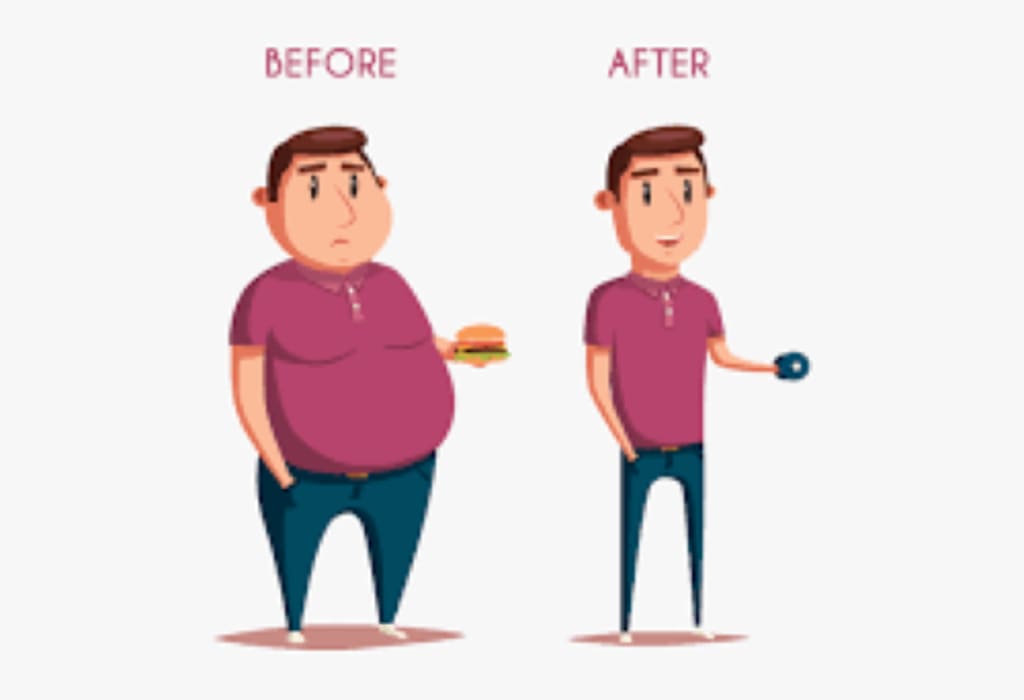
Losing weight is a goal that many people aspire to achieve, but it's essential to prioritize both your health and well-being throughout the process. While quick fixes and crash diets may promise rapid weight loss, they often lead to unsustainable results and potential health risks. To help you embark on a journey towards a healthier you, this article will outline effective strategies for losing weight quickly, healthily, and easily.
1. Set Realistic Goals
Before starting any weight loss program, it's crucial to set realistic and achievable goals. Losing 1-2 pounds (0.5-1 kg) per week is considered a healthy and sustainable rate of weight loss. It's important to remember that weight loss is not solely about the number on the scale but also about improving overall health and well-being. Focus on making long-term lifestyle changes rather than seeking immediate results.
2. Create a Balanced and Nutritious Diet
A healthy and balanced diet is the foundation for sustainable weight loss. Include a variety of fruits, vegetables, lean proteins, whole grains, and healthy fats in your meals. These foods are nutrient-dense, providing essential vitamins, minerals, and fiber while keeping you satisfied. Opt for portion control, and be mindful of your calorie intake. Avoid highly processed and sugary foods, as they provide little nutritional value and can hinder weight loss progress.
3. Stay Hydrated
Water plays a vital role in weight loss. Drinking an adequate amount of water can help boost metabolism, suppress appetite, and enhance digestion. Aim to drink at least 8-10 glasses of water per day. Additionally, replacing sugary beverages with water can significantly reduce calorie consumption. Keep a water bottle with you throughout the day as a reminder to stay hydrated.
4. Practice Regular Physical Activity
Exercise is essential for weight loss as it helps burn calories, build muscle, and increase metabolism. Incorporate a mix of cardiovascular exercises, such as brisk walking, jogging, cycling, or swimming, along with strength training exercises to tone and strengthen your muscles. Aim for at least 150 minutes of moderate-intensity aerobic activity or 75 minutes of vigorous-intensity aerobic activity per week, along with strength training exercises twice a week. Find activities that you enjoy to make exercise a sustainable and enjoyable part of your routine.
5. Prioritize Sleep and Stress Management
Adequate sleep and stress management are often overlooked factors in weight loss. Lack of sleep disrupts hormone balance, leading to increased appetite and cravings for unhealthy foods. Aim for 7-9 hours of quality sleep every night to support weight loss efforts. Additionally, practice stress-reducing techniques such as meditation, deep breathing exercises, or engaging in hobbies to prevent emotional eating and maintain a healthy mindset. Find activities that help you relax and unwind, allowing your body to recover and recharge.
6. Monitor Portion Sizes
Portion control is key when it comes to weight loss. Be mindful of the quantity of food you consume and use smaller plates to trick your mind into feeling satisfied with smaller portions. Chew slowly and savor each bite, allowing your brain to register fullness before reaching for seconds. Listen to your body's hunger and fullness cues, and eat until you are comfortably satisfied, rather than overeating.
7. Seek Professional Guidance
If you are struggling to achieve your weight loss goals or have underlying health conditions, it's advisable to consult a registered dietitian or healthcare professional. They can provide personalized advice and develop a customized plan that suits your specific needs, ensuring a healthy and safe weight loss journey. They can help you navigate any challenges you may encounter, provide accountability, and monitor your progress.
Conclusion
Losing weight quickly, healthily, and easily requires a multifaceted approach that prioritizes sustainable lifestyle changes. By setting realistic goals, adopting a balanced and nutritious diet, staying hydrated, exercising regularly, prioritizing sleep and stress management, monitoring portion sizes, and seeking professional guidance when needed, you can achieve your weight loss goals effectively. Remember, the key to long-term success is to embrace a healthy lifestyle rather than opting for quick fixes. Stay committed, be patient, and celebrate every small milestone along the way to a healthier you.
About the Creator
The Mediterranean Glow Spain Personal Care Revolution in 2026
Spain has always been a country where self-care and aesthetic presentation are deeply woven into the social fabric. However, as we move through 2026, the Spanish personal care and beauty market has transcended traditional boundaries to become a global powerhouse of innovation and sustainability. Currently valued at approximately $2.8 billion and projected to reach $4.5 billion by 2034, the industry is expanding at a steady 5.23% CAGR. This growth is not merely about selling more soap or lotions; it is a fundamental shift in how Spanish consumers perceive health, environment, and aging. In 2026, the "Spanish Glow" is powered by a unique blend of ancient Mediterranean ingredients like olive oil and citrus fused with cutting-edge biotechnology and a fierce commitment to eco-conscious consumption.
By Neeraj kumar4 days ago in Lifehack



Comments
There are no comments for this story
Be the first to respond and start the conversation.