
How to Identify Truly Microwave-Safe Paper Containers for Reheating Food
Understanding the Materials Behind Paper Containers

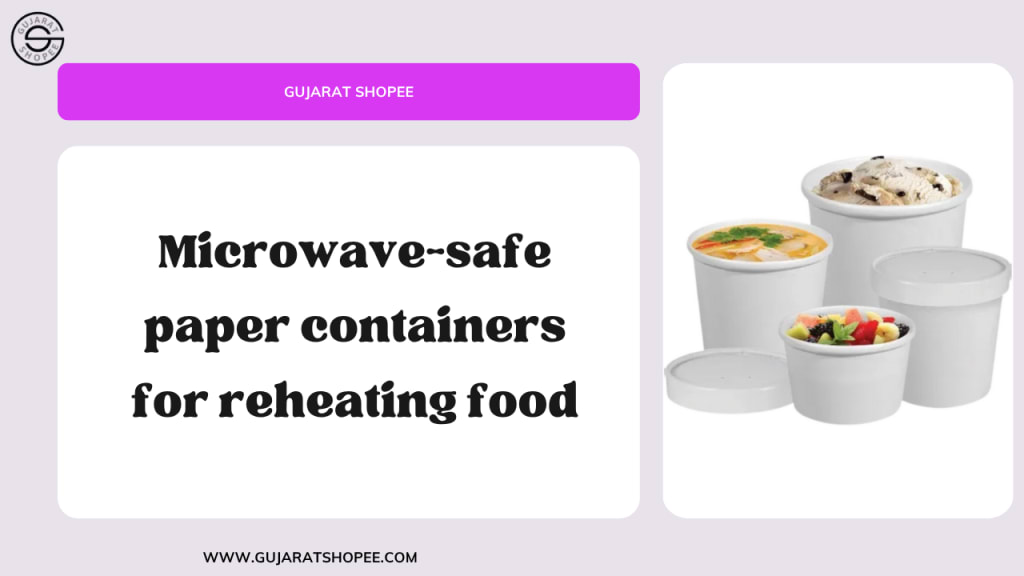
In the modern kitchen, microwaves have become indispensable. They allow us to reheat food quickly, preserve flavors, and make mealtime more convenient. Yet, with this convenience comes a crucial question: is the container you are using safe for the microwave? While glass and ceramic are widely accepted as safe options, disposable packaging—especially paper containers—raises concerns. Many people mistakenly believe that all paper containers are automatically safe to use in a microwave, but the truth is more complicated. Hidden coatings, adhesives, inks, and even design flaws can make some containers unsafe.
For households, restaurants, caterers, and food delivery businesses, choosing microwave-safe paper containers for reheating food is about much more than convenience—it is about food safety, consumer trust, and maintaining quality. At Gujaratshopee, for example, kraft paper containers with paper lids are among the most practical and eco-friendly solutions. But how do you distinguish truly safe options from those that are unsuitable?
This comprehensive guide explains everything you need to know about identifying and safely using microwave-safe paper containers for reheating food. From understanding the materials and coatings to checking certifications, testing at home, and adopting best practices, you’ll be equipped to make informed choices that protect both your meals and your health.
Why Microwave-Safe Packaging Matters
The microwave oven works by emitting electromagnetic waves that agitate water molecules in food, producing heat. This rapid process heats food efficiently, but it also exposes the container to direct energy. If the packaging is unsuitable, several problems can arise.
Unsafe paper containers may warp, leach chemicals, or even ignite under microwave conditions. Coatings such as polyethylene (PE) or wax, commonly used to make paper grease-resistant, may melt or transfer chemicals into food. Inks used for branding or decorative patterns may release harmful compounds.
Therefore, using microwave-safe paper containers for reheating food isn’t just a matter of protecting the container itself—it’s about ensuring food remains uncontaminated, safe, and palatable.
Common Misconceptions About Paper Containers
One of the biggest myths is that “paper is always safe.” On the surface, it seems logical: paper doesn’t spark like metal and isn’t as dense as plastic. However, most disposable paper containers are not pure paper. They often include coatings to resist grease, adhesives for sealing, or printed designs that may not withstand heat.
Another misconception is that a container that holds hot food is automatically safe in the microwave. Many takeaway boxes are designed only to withstand the heat of food that has already been cooked, not the intense and uneven heating that microwaves generate.
This makes it vital to carefully evaluate paper containers before trusting them in your microwave.
Materials and Construction of Paper Containers
To understand safety, you need to look at what goes into the container’s construction.
Base Paper Material
Most disposable food containers are made from kraft paper, SBS (solid bleached sulfate), or recycled paper. Kraft paper is often considered the most durable because it is unbleached, strong, and naturally resistant to tearing.
Coatings and Linings
Since plain paper absorbs moisture and grease, it’s usually coated on the inside. These coatings can include:
- Polyethylene (PE): Provides water resistance but softens or melts at high temperatures.
- Polypropylene (PP): More heat-resistant and safer for microwave reheating.
- Wax coatings: Prone to melting and not suitable for microwaving.
- PLA or other bio-coatings: Eco-friendly alternatives, but not all are microwave-safe.
Inks and Printing
Many food containers are printed with logos or designs. Unless specifically tested, the inks may not be safe under microwave heat.
Adhesives
The glue used in paper lids or to assemble boxes can break down under heat, affecting both safety and performance.
Design Factors
The thickness of the container and the way it is folded also affect safety. Thin paper or flimsy construction may collapse or warp when food gets hot.
Signs That a Container May Not Be Microwave-Safe
When selecting paper containers, watch for these warning signs:
- Shiny or glossy interior surfaces that suggest plastic or wax linings.
- Strong printed patterns or colored inks inside the food-contact area.
- Thin or lightweight construction that feels flimsy.
- Presence of metallic elements, like foil, staples, or shiny decorations.
- No mention of microwave safety on the packaging or product description.
Even if a container looks sturdy, these features may compromise safety during reheating.
How to Identify Microwave-Safe Containers
Look for Symbols and Labels
Many safe containers are marked with a symbol of wavy lines or the words “microwave-safe.” While not always regulated, this is the first indicator that a manufacturer has considered microwave use.
Check Manufacturer Information
Reliable suppliers will often specify whether their containers are designed for microwave reheating. For example, kraft paper containers with lids on platforms like Gujaratshopee are clearly categorized for hot food storage and reheating.
Review the Type of Coating
If the interior lining is polypropylene (PP), the container is more likely to be microwave-safe. Wax and standard polyethylene (PE) coatings are riskier.
Test at Home
You can run a simple test: place the empty paper container in the microwave alongside a microwave-safe glass filled with water. Heat for one minute. If the container stays cool while the water heats up, it is likely safe. If the container itself becomes hot, warps, or emits an odor, it’s not suitable for reheating.
Seek Certifications
Some manufacturers provide compliance certifications showing their products meet safety standards for food contact and microwave use. Always check for these where possible.
Best Practices for Reheating Food in Paper Containers
Even with microwave-safe paper containers for reheating food, you should follow these precautions:
- Heat in short intervals. Reheat for 30-60 seconds at a time, checking in between.
- Vent the container. If using a lid, leave it slightly open to let steam escape.
- Avoid reheating oily or sugary foods for long durations. These can reach very high temperatures quickly and may damage the container.
- Never microwave an empty container. Without food to absorb the energy, the container may overheat.
- Always supervise reheating. Do not leave paper containers unattended in the microwave.
By following these practices, you not only protect the container but also ensure your food reheats evenly and safely.
Specific Considerations for Kraft Paper Containers with Paper Lids
Kraft paper containers are a popular choice for both households and food businesses because they combine strength with eco-friendliness. Their paper lids make them easy to store, transport, and reheat meals without transferring food to another dish.
When assessing kraft paper containers with lids, such as those offered at Gujaratshopee, consider:
- The thickness of kraft paper, which ensures durability under heat.
- The type of barrier lining, ideally polypropylene or another tested microwave-safe material.
- The lid’s construction, which should be secure but allow for venting.
- Minimal printing on the interior, reducing chemical migration risk.
These features make kraft containers reliable for single-use reheating without compromising safety or food quality.
Common Mistakes to Avoid
Many people unintentionally misuse paper containers in microwaves. Here are mistakes you should avoid:
- Microwaving containers with foil elements. Even small metallic accents can cause sparks.
- Reheating for long, continuous cycles. Prolonged exposure may cause coatings to degrade.
- Using damaged containers. A crack or tear may worsen under heat.
- Reusing single-use containers. They are designed for one reheating cycle, not repeated use.
Avoiding these mistakes ensures the safe use of your containers.
The Role of Regulations and Standards
Food safety regulations require that containers intended for direct food contact are free from harmful chemical migration. However, the term “microwave-safe” is not always uniformly regulated. Manufacturers must test and label their products, but not all do so.
That is why it’s important for businesses and consumers alike to choose trusted suppliers. Transparent labeling, safety certifications, and compliance with food packaging standards are signs of a reliable product.
How Businesses Can Benefit from Offering Microwave-Safe Options
For restaurants, caterers, and delivery services, using microwave-safe paper containers for reheating food builds customer trust. Customers appreciate the convenience of reheating their meal directly in the container without transferring it to another dish.
By offering containers such as kraft paper containers with paper lids, businesses can position themselves as both safe and sustainable. Highlighting these features in marketing materials also reinforces eco-conscious branding.
At Gujaratshopee, for instance, microwave-safe paper containers provide businesses with reliable solutions for food packaging, while also meeting consumer demand for sustainability.
The Growing Importance of Eco-Friendly Microwave-Safe Packaging
In today’s market, sustainability is just as important as safety. Customers are increasingly rejecting plastic in favor of biodegradable or recyclable materials. Paper containers made from kraft are biodegradable, recyclable, and often compostable.
When paired with microwave safety, they offer the perfect combination: eco-friendly packaging that doesn’t compromise on functionality. This makes microwave-safe kraft paper containers one of the most practical solutions for businesses and consumers looking for sustainable dining options.
Conclusion
The convenience of microwaving food is undeniable, but it comes with the responsibility of choosing the right containers. Not all paper containers are safe for reheating, as hidden coatings, inks, adhesives, and designs can pose risks. By understanding the construction of containers, looking for microwave-safe symbols, testing at home, and sourcing from reputable suppliers, you can confidently use microwave-safe paper containers for reheating food.
For households, this means safer meals and fewer worries. For businesses, it means building trust, ensuring compliance, and enhancing eco-friendly credibility. Products like kraft paper containers with paper lids, available from Gujaratshopee, exemplify the ideal balance of safety, convenience, and sustainability.
In the end, identifying truly microwave-safe paper containers is not about guesswork—it’s about making informed choices that protect both people and the planet.
About the Creator
Gujarat Shopee
Gujarat Shopee is an online shopping site in India to buy bakery products packaging, food packaging, plastic cutlery, disposable & biodegradable products, wooden cutlery, food paper boxes, bagasse products, glass jars and corrugated boxes.
Keep reading
More stories from Gujarat Shopee and writers in Lifehack and other communities.
Environmental Impact: Recycling and Composting Microwave-Safe Paper Containers
Packaging has always played a critical role in the way we consume food. From takeout meals to meal-prep kits and catering services, the choice of packaging not only affects convenience and safety but also the environment. Over the past few decades, plastic containers dominated the food industry because of their low cost and durability. However, as the global conversation shifted toward climate change, waste management, and reducing plastic pollution, alternatives began to emerge.
By Gujarat Shopee5 months ago in Lifehack
7 Signs Wildlife Could Be Living in Your Attic
Unexpected sounds above the ceiling or unfamiliar odors drifting through the home often hint at activity happening overhead. Wildlife frequently settles into attic spaces because the area offers steady warmth, darkness, and protection from predators, creating a quiet refuge for animals searching for a sheltered nesting location. Recognizing early clues helps homeowners avoid costly damage to insulation, electrical wiring, and wooden roof framing while also protecting indoor air quality. Seven signs wildlife could be living in your attic highlight patterns that wildlife specialists regularly encounter during inspections. Animal Round Up explains that early indicators often appear weeks before homeowners notice visible damage. “Subtle scratching sounds, small roof gaps, or disturbed insulation usually show up long before the animal becomes visible,” their team says. “Recognizing those clues early allows humane removal to happen quickly and prevents the situation from growing.”
By Piper Burch6 days ago in Lifehack




Comments
There are no comments for this story
Be the first to respond and start the conversation.