
Environmental Impact: Recycling and Composting Microwave-Safe Paper Containers
How Food Businesses Can Reduce Waste Through Better Packaging Practices

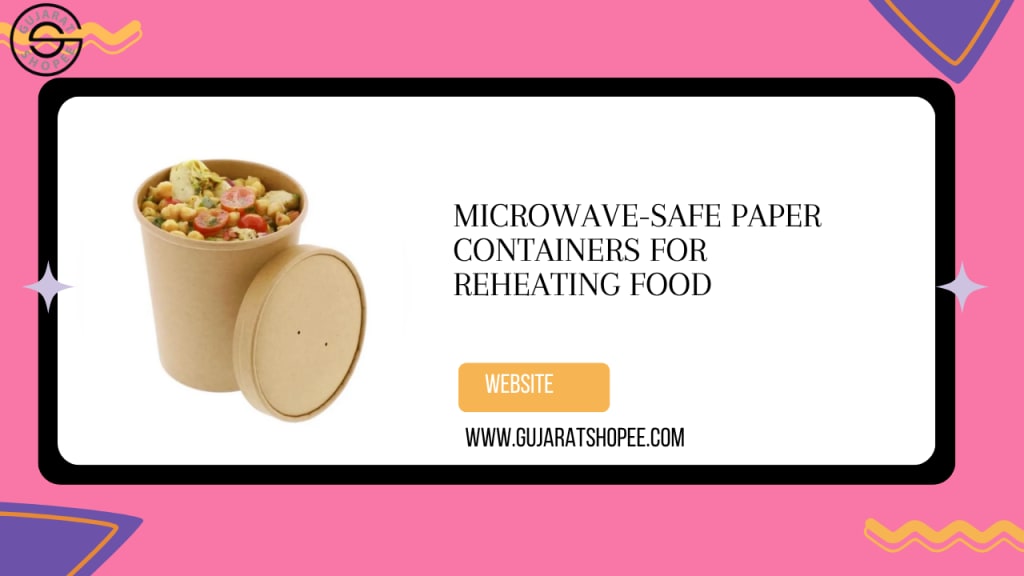
Packaging has always played a critical role in the way we consume food. From takeout meals to meal-prep kits and catering services, the choice of packaging not only affects convenience and safety but also the environment. Over the past few decades, plastic containers dominated the food industry because of their low cost and durability. However, as the global conversation shifted toward climate change, waste management, and reducing plastic pollution, alternatives began to emerge.
Among these alternatives, microwave-safe paper containers for reheating food have risen as a preferred choice. These containers meet two essential consumer demands: they are practical for everyday use and can be disposed of in ways that are less harmful to the planet. Unlike single-use plastics and Styrofoam, microwave-safe paper containers are designed to be either recycled or composted. But how effective are these processes in reality? Do they genuinely reduce environmental harm, or do challenges remain?
This article dives deep into the environmental impact of recycling and composting microwave-safe paper containers, exploring how they compare to traditional packaging, their advantages, challenges, and their role in building a sustainable future.
Why Microwave-Safe Paper Containers Are Growing in Popularity
The rise of microwave-safe paper containers for reheating food is not accidental. It reflects a convergence of consumer behavior, technological innovation, and environmental responsibility.
Convenience for Modern Lifestyles
Today’s fast-paced world demands packaging that simplifies daily routines. Consumers no longer want to transfer food from takeout containers to microwave-safe dishes. Paper containers designed for microwaving solve this issue, offering reheating convenience without extra steps.
Safety Compared to Plastics
Plastic containers, when heated, can release chemicals such as BPA or phthalates, which pose health risks. Microwave-safe paper containers eliminate this concern, as they are coated with food-grade, heat-resistant linings that prevent leakage and contamination.
A Greener Image for Food Businesses
Restaurants, cafés, and catering companies understand that eco-conscious customers value sustainable practices. Offering meals in recyclable or compostable paper containers enhances brand reputation while aligning with environmental goals.
Regulatory Pressure
Governments worldwide are cracking down on single-use plastics. Cities and states are banning Styrofoam and plastic takeaway containers, making microwave-safe paper containers for reheating food not just a consumer choice but a business necessity.
Environmental Problems with Traditional Packaging
Before appreciating the benefits of paper containers, it’s worth revisiting the problems caused by traditional packaging:
- Plastic containers take centuries to decompose. Even when recycled, only a small percentage of plastics are effectively reused due to contamination and cost challenges.
- Styrofoam (polystyrene) is almost impossible to recycle economically. It breaks into microplastics, polluting soil, rivers, and oceans.
- Aluminum trays can be recycled, but the process requires enormous energy, offsetting much of the sustainability advantage.
The sheer scale of plastic pollution has forced industries to innovate, leading to the growing reliance on sustainable solutions such as microwave-safe paper containers.
What Makes a Paper Container Microwave-Safe?
Not all paper packaging is suitable for reheating food. Microwave-safe paper containers for reheating food are specially engineered. They are typically made of strong kraft paper or paperboard and may include:
- Food-grade coatings that resist oil and moisture.
- Heat-resistant linings to prevent the paper from softening or breaking during microwaving.
- Durable construction that allows reheating without losing structural integrity.
These features make them reliable for both consumers and businesses, while still offering disposal options that minimize long-term environmental harm.
Recycling Microwave-Safe Paper Containers
The Basics of Recycling Paper Containers
Recycling is one of the most common disposal pathways for paper containers. When uncontaminated, paper fibers can be recovered and turned into new products like cardboard, packaging, or writing paper. In theory, this makes microwave-safe paper containers for reheating food an excellent sustainable option.
The Challenges of Recycling
However, recycling isn’t always straightforward. Many microwave-safe paper containers are coated with thin layers of plastic or bioplastic to provide grease resistance. These coatings can complicate recycling because they require specialized facilities to separate the paper fibers from the lining.
Another obstacle is food contamination. Paper containers used for oily foods, curries, or sauces often end up soiled, making them unsuitable for standard recycling streams. Recycling plants usually reject heavily contaminated packaging because cleaning it is inefficient and costly.
Consumer Responsibility in Recycling
For recycling to be effective, consumers must play their part. Rinsing containers before disposal, separating lids and bases, and checking local recycling guidelines are all essential steps. Without consumer cooperation, recyclable containers may still end up in landfills.
Environmental Benefits of Recycling
When successful, recycling paper containers reduces deforestation, saves energy compared to producing virgin paper, and keeps waste out of landfills. It contributes to a circular economy where packaging materials are repurposed instead of discarded.
Composting Microwave-Safe Paper Containers
Why Composting Matters
Composting is another disposal pathway that highlights the eco-friendliness of paper packaging. Instead of trying to recover fibers for reuse, composting allows containers to break down naturally, returning nutrients to the soil.
Composting Options
Microwave-safe paper containers can be composted in two main ways:
- Home composting: Suitable for unlined paper containers or those coated with wax. These break down naturally in backyard compost piles.
- Industrial composting: Required for containers lined with bioplastics such as PLA (polylactic acid). These materials need higher heat and controlled conditions to decompose effectively.
Challenges in Composting
Just like recycling, composting faces challenges. Not all regions have access to industrial composting facilities. Consumers may also lack awareness of whether their containers are truly compostable. In some cases, containers marketed as compostable can only break down under industrial conditions, not in a backyard bin.
Environmental Benefits of Composting
When done correctly, composting diverts waste from landfills, reduces methane emissions, and contributes to soil health. It turns packaging waste into a valuable resource for agriculture and landscaping.
Recycling or Composting: Which Works Best?
Both recycling and composting offer environmental benefits, but each has its strengths. Recycling conserves raw materials and reduces the demand for fresh paper production. Composting, on the other hand, provides a natural end-of-life solution for food-soiled containers that would otherwise be rejected by recycling facilities.
For maximum impact, a dual approach is best: recycle clean, uncontaminated paper containers and compost the ones stained with food waste. This strategy ensures that the majority of microwave-safe paper containers stay out of landfills.
The Role of Businesses in Sustainable Packaging
Food businesses are at the forefront of influencing how packaging impacts the environment. By adopting microwave-safe paper containers for reheating food, they take an important step toward reducing plastic waste. But the responsibility doesn’t end there.
Educating Consumers
Brands must inform customers about proper disposal methods. Simple labeling indicating whether a container should be recycled or composted can make a huge difference.
Aligning with Regulations
With bans on single-use plastics spreading worldwide, businesses that proactively adopt sustainable alternatives position themselves ahead of compliance requirements.
Building a Green Brand Image
In eco-conscious markets, packaging is more than functionality—it’s part of the brand story. Businesses that promote their use of recyclable and compostable containers strengthen customer loyalty and stand out from competitors.
Consumer Power in Shaping Sustainability
While businesses provide the tools, consumers decide how those tools are used. Responsible disposal practices, such as rinsing containers before recycling or adding food-soiled ones to compost bins, play a vital role. Supporting businesses that use eco-friendly packaging also helps push the market further toward sustainability.
Innovations in Microwave-Safe Paper Containers
The industry is continuously evolving. Innovations include:
- Water-based coatings that replace plastics entirely, making containers fully recyclable.
- Plant-based linings like cornstarch or PLA that allow composting under industrial conditions.
- Smart packaging labels that inform consumers about disposal methods, reducing confusion.
These innovations are critical to closing the gap between convenience and sustainability.
Environmental Benefits Beyond Disposal
The environmental impact of microwave-safe paper containers isn’t limited to their recyclability or compostability. Producing paper packaging often requires less fossil fuel compared to plastics. Additionally, when sourced from responsibly managed forests, paper packaging supports renewable resource cycles.
By transitioning to microwave-safe paper containers for reheating food, industries reduce reliance on fossil-based plastics, contributing to global climate goals.
How Gujarat Shopee Supports Sustainability
At Gujarat Shopee, businesses can find a wide range of eco-friendly packaging options, including microwave-safe paper containers for reheating food. These containers are designed with sustainability in mind, combining durability with recyclable or compostable features. Whether you are a restaurant, catering service, or food delivery brand, sourcing from Gujarat Shopee ensures you meet both customer expectations and environmental responsibilities.
Challenges That Still Need Addressing
Despite their advantages, microwave-safe paper containers are not a perfect solution. Challenges include:
- Lack of uniform recycling and composting infrastructure across cities.
- Higher costs compared to plastics, which can deter small businesses.
- Consumer confusion over which containers are recyclable or compostable.
Solving these challenges requires collaboration between manufacturers, governments, businesses, and consumers.
Looking Ahead: The Future of Sustainable Packaging
As technology advances and awareness grows, microwave-safe paper containers will continue to evolve. Future designs will likely use coatings that are both compostable and recyclable, eliminating confusion. Global policies may standardize labeling and disposal methods, making sustainable packaging the norm rather than the exception.
In this future, microwave-safe paper containers for reheating food will play a central role in reducing waste, lowering emissions, and building a circular economy where resources are used efficiently and responsibly.
Conclusion: Toward a Greener Tomorrow
The environmental impact of packaging can no longer be ignored. With the rise of microwave-safe paper containers for reheating food, consumers and businesses alike have a powerful tool to reduce plastic waste and embrace eco-friendly practices. Recycling and composting provide two viable pathways for disposal, ensuring that these containers do not contribute to the mountain of waste choking our landfills and oceans.
While challenges remain, the combined efforts of manufacturers, food businesses, governments, and consumers can make a significant difference. By choosing sustainable packaging, disposing of it responsibly, and supporting innovative solutions, we collectively take steps toward a greener and healthier planet.
About the Creator
Gujarat Shopee
Gujarat Shopee is an online shopping site in India to buy bakery products packaging, food packaging, plastic cutlery, disposable & biodegradable products, wooden cutlery, food paper boxes, bagasse products, glass jars and corrugated boxes.
Keep reading
More stories from Gujarat Shopee and writers in Lifehack and other communities.
How Restaurants Increase Takeout Sales Using Small Paper Containers for Snacks and Dips
The global food industry has shifted dramatically in recent years. With the rise of food delivery apps, lifestyle changes, and customer preference for convenient meals, takeout has become a major revenue driver for restaurants of all sizes. In this competitive market, packaging is no longer just about transporting food—it is an essential marketing and customer experience tool.
By Gujarat Shopee5 months ago in Lifehack
SEO Mentor Nestor Vazquez and a Different Way of Understanding Search
In many discussions about digital marketing, search engine optimization is often presented as a technical discipline. Articles tend to focus on rankings, backlinks, analytics dashboards, and algorithm updates. While these elements are certainly part of the field, they do not fully explain how people actually learn to understand search.
By House Doctor2 days ago in Lifehack
How to Find Penny Items at Dollar General
Imagine walking into Dollar General and walking out with a cart filled with items that cost you a total of less than a dollar. The lucky few who snag penny items certainly have experienced the adrenaline and happiness it creates. If you want to feel like a Queen (or king) for a day, read below to learn how you can become a DG penny-aire.
By Criminal Matters2 days ago in Lifehack


Comments
There are no comments for this story
Be the first to respond and start the conversation.