
How to Get the Right Vitamins and Minerals for a Healthy Life
"Essential Nutrients for Optimal Health: Your Guide to Balanced Vitamin and Mineral Intake"


Minerals and vitamins are vital components that our bodies require in order to function correctly. They are essential for promoting growth, preserving health, and bolstering our immune systems. But a lot of individuals don’t know how to make sure they consume enough of these nutrients. We’ll discuss what vitamins and minerals are, their importance, and how to incorporate them into your diet in this post.
What Are Vitamins and Minerals?
Vitamins
Our bodies require trace amounts of chemical substances called vitamins to maintain health. Water-soluble and fat-soluble are the two groups into which they can be separated.
- Vitamin C and all of the B vitamins are examples of water-soluble vitamins. You must regularly eat them because they dissolve in water and are not stored by the body.
- Vitamins that are soluble in fat: they include A, D, E, and K. They don’t need to be consumed daily because the body stores them in its fatty tissues and liver.
Minerals
Inorganic materials called minerals are equally important to human health. The two categories of them are trace minerals and macrominerals.
- Macrominerals: These are needed in larger amounts. They include calcium, phosphorus, magnesium, sodium, potassium, and sulfur.
- Trace minerals: Less of these are required. These consist of fluoride, selenium, zinc, cobalt, iron, manganese, copper, and iodine.
Why Are Vitamins and Minerals Important?
Minerals and vitamins are necessary for several body processes, such as:
- Increasing Immune Function: Zinc and other minerals, as well as vitamins C and D, support a stronger immune system.
- Preserving Bone Health: Strong bones require calcium and vitamin D.
- Assisting in the Production of Energy: B vitamins are essential for the conversion of food into energy.
- Encouraging Healthy Skin and Vision: While vitamin A is crucial for clear vision, vitamins C, E, and A are significant for skin health.
- Controlling Body Processes: Magnesium is involved in more than 300 metabolic activities in the body, whereas minerals like potassium and salt assist in controlling blood pressure.
Signs of Vitamin and Mineral Deficiencies
Understanding the warning signals of vitamin and mineral shortages is crucial. Typical symptoms include the following:
- Weakness and Fatigue: This may be a sign of low iron or B vitamin levels.
- Poor Immune Response: Recurrent infections could be an indication of zinc, vitamin A, C, or D insufficiency.
- Bone Weakness or Pain: Low levels of vitamin D or calcium may be the cause of this.
- Skin problems: Rashes or dry skin could be signs of vitamin A, E, or biotin deficiency.
- Vision Issues: Vitamin A insufficiency may be the cause of night vision problems.
How to Get Enough Vitamins and Minerals
Eating a balanced diet is the greatest method to make sure you get adequate vitamins and minerals. You can add a range of nutrients to your meals in the following ways:

1. Eat a Rainbow of Fruits and Vegetables
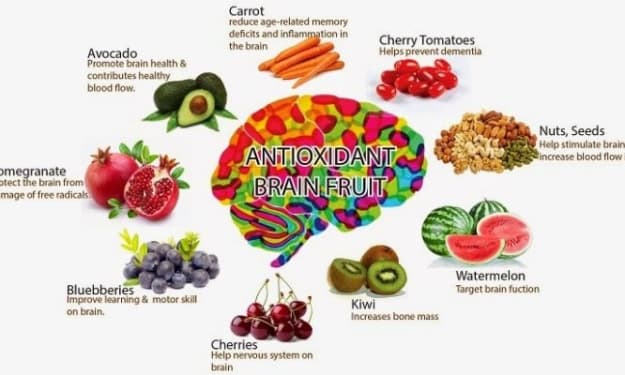
Vitamins and minerals abound in fruits and vegetables. Make an effort to load your plate with vibrant choices. Here are a few instances:
- Red: Strawberries (vitamin C, manganese), tomatoes (potassium and vitamin C).
- Vitamin A-rich carrots and vitamin C-rich sweet potatoes are orange or yellow in color.
- Green: Broccoli (calcium and vitamin C), spinach (iron and vitamin K).
- Blue/Purple: eggplants (fiber, potassium), blueberries (vitamins C and K)
2. Include Whole Grains
Iron, magnesium, selenium, and B vitamins are all abundant in whole grains. Select whole grain bread, quinoa, brown rice, and oats over processed grains.
3. Incorporate Protein Sources
Essential amino acids and a variety of vitamins and minerals are found in proteins. Make sure your diet include a range of protein sources:
- Animal Sources: Rich sources of iron, calcium, zinc, and vitamins B12 and D include lean meats, poultry, fish, eggs, and dairy products.
- Plant Sources: Iron, magnesium, and other vital nutrients can be found in legumes (beans, lentils), nuts, seeds, and tofu.
For more information click here now:
4. Don’t Forget Healthy Fats
Nuts, seeds, avocados, and olive oil are good sources of healthy fats that aid in the absorption of fat-soluble vitamins (A, D, E, and K). You can increase your nutrient intake by include these in your meals.
5. Stay Hydrated
In addition to being necessary for the body’s general operation, water is also critical for the absorption of nutrients. Consume a lot of water throughout the day, as well as foods high in water, such as oranges, cucumbers, and watermelon.

Supplements: Do You Need Them?
Although eating is the greatest way to obtain vitamins and minerals, some people may find that taking supplements is helpful. Here are some things to think about:
- Nutritional Limitations: Since vitamin B12 is mostly found in animal sources, you might need to take a supplement if you eat a strict vegetarian or vegan diet.
- Age and Life Stage: Certain supplements may be necessary for older folks, expectant mothers, and those with specific medical issues. For instance, pregnant women frequently require more folic acid.
- Problems with Absorption: Certain medical problems might make it difficult for certain people to absorb certain nutrients. Supplements can assist in supplying their nutritional needs in these situations.
To find what’s best for you, speak with a healthcare provider before beginning any supplement regimen.
Tips for Planning a Balanced Diet
It doesn’t have to be difficult to put together a balanced meal that has all the vitamins and minerals need. Here are some pointers to get you going:
1. Meal Prep
Making a meal plan in advance will help guarantee that you eat a range of foods. Allocate a certain amount of time per week to organize and cook meals that feature nutritious grains, meats, fruits, and veggies.
2. Read Nutrition Labels
Examine the nutrition labels when you go grocery shopping for packaged items. Seek for goods that are low in harmful fats and added sugars and high in vitamins and minerals.
3. Experiment with New Foods
Consider including some new items in your diet. This can entail experimenting with a new vegetable or grain kind. Increasing your dietary options can lead to the discovery of new nutrients and flavors.
4. Use Herbs and Spices
An abundance of antioxidant-rich herbs and spices can improve the taste of your food. For a nutritional boost, try adding garlic, turmeric, ginger, and basil to your meals.
5. Balance is Key
Getting adequate vitamins and minerals is important, but it’s also critical to keep things in balance. Toxic effects can result from consuming excessive amounts of specific vitamins and minerals, especially when taking supplements. In order to naturally satisfy your nutritional demands, strive for a varied and balanced diet.
Conclusion
Minerals and vitamins are necessary for sustaining optimal health. You can be certain that you are getting the nutrients your body requires to flourish by concentrating on a balanced diet that includes a range of fruits, vegetables, whole grains, and proteins. Never forget to pay attention to your body’s signals of inadequacy and to listen to it. It is always advisable to consult a healthcare provider if you have any specific dietary questions or medical conditions. You may maintain your health and well-being for many years to come by making wise decisions.
For more information click here now:
About the Creator
Healthy positive lifestyle
Welcome to my Vocal! I'm dedicated to health and fitness, sharing tips, workouts, and nutrition advice to inspire your wellness journey. Join me for practical insights and motivation as we strive for a healthier, happier life together!
Keep reading
More stories from Healthy positive lifestyle and writers in Lifehack and other communities.
Understanding Antioxidants and Phytochemicals: How to Incorporate Them into Your Diet
Antioxidants and phytochemicals are frequently discussed in today’s health-conscious society, but what precisely are they? How can they improve your well-being? This post will discuss the functions of phytochemicals and antioxidants, foods that are high in them, and simple strategies to include these beneficial substances in your regular diet.
By Healthy positive lifestyle2 years ago in Lifehack
Moving in Edmonds, Washington: What Locals Learn About Relocation Over Time
Moving to a new city always comes with a mix of excitement and uncertainty. Edmonds, Washington, is no exception. Known for its waterfront views, walkable downtown, and strong sense of community, Edmonds attracts families, professionals, and retirees looking for a quieter lifestyle just north of Seattle. However, moving within or to Edmonds requires planning, especially when choosing a moving company that understands the area.
By House Doctorabout 23 hours ago in Lifehack
Should We Not Try to Get Too Political?
Here's something you often hear people say, "I try not to get too political." I understand the sentiment and I sympathize with it... while at the same exact time, I completely disagree with the notion. Whether it's referring to social media or wherever, it's kind of unavoidable. You can attempt to sidestep it, not engage, leave the less important things for actual politicians to discuss... you can want it to not take over your life, your conversations, your relationships, and that makes perfect sense.
By Stephen Kramer Avitabilea day ago in Writers


Comments
There are no comments for this story
Be the first to respond and start the conversation.