
How to Control Cholesterol and Why It's Harmful
How to Control Cholesterol
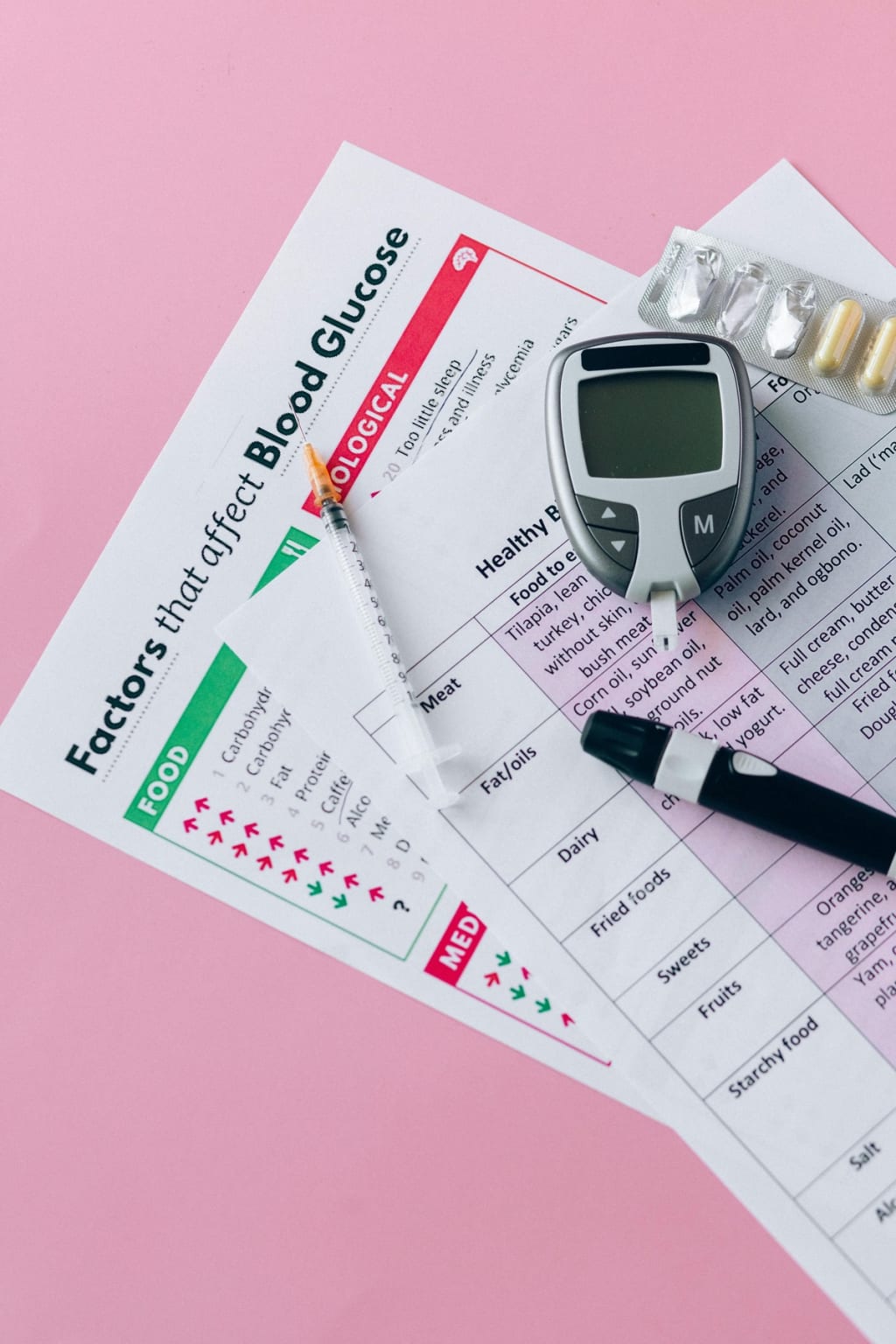
How to Control Cholesterol and Why It's Harmful
Cholesterol is a waxy, fat-like substance found in your blood. While it is essential for your body to build cells and produce certain hormones, having too much cholesterol can be harmful. High cholesterol is one of the major risk factors for heart disease, stroke, and other serious health problems. This article will explore how to control cholesterol through diet, lifestyle changes, and medications if necessary, and explain why high cholesterol can be harmful.
hat is Cholesterol?
Cholesterol is produced by your liver and also comes from the food you eat. It travels through your bloodstream in two types of particles:
1. **Low-Density Lipoprotein (LDL)**: Often called "bad" cholesterol, LDL carries cholesterol to the cells that need it. However, when there is too much LDL in your blood, it can build up in the walls of your arteries, forming plaque. This plaque narrows the arteries and increases the risk of heart attack, stroke, and other cardiovascular diseases.
2. **High-Density Lipoprotein (HDL)**: Known as "good" cholesterol, HDL helps remove excess cholesterol from your bloodstream by carrying it back to the liver, where it can be broken down and eliminated from the body. Higher levels of HDL are generally protective against heart disease.
Maintaining a healthy balance between LDL and HDL cholesterol is essential for heart health. When LDL levels become too high or HDL levels too low, cholesterol can become a dangerous factor in your overall health.
Why High Cholesterol is Harmful
Excessive cholesterol, particularly high LDL levels, can be harmful for several reasons:
- **Atherosclerosis**: When too much LDL cholesterol circulates in the blood, it can form deposits on the walls of the arteries, a condition known as atherosclerosis. These cholesterol deposits, or plaques, can reduce blood flow, making it harder for oxygen-rich blood to reach the heart, brain, and other vital organs. This can lead to heart attacks, strokes, or peripheral artery disease.
- **Increased Risk of Heart Attack**: Plaques can rupture or break open, causing a blood clot to form. If the clot is large enough, it can block blood flow to a portion of the heart, causing a heart attack.
- **Stroke**: If the plaque buildup or a clot blocks blood flow to the brain, it can lead to a stroke, which can cause serious brain damage or even death.
Given the serious health risks associated with high cholesterol, it’s important to control cholesterol levels through a combination of lifestyle changes and, if necessary, medication.
How to Control Cholesterol
Controlling cholesterol largely depends on making healthy choices. Here are some proven methods to help manage and lower cholesterol levels.
#### 1. **Adopt a Heart-Healthy Diet**
Your diet has a major impact on your cholesterol levels. Making some key changes can help reduce harmful cholesterol and promote better heart health.
- **Reduce Saturated Fats**: Saturated fats, commonly found in red meat, full-fat dairy products, and processed foods, raise total cholesterol levels, especially LDL. Opt for lean cuts of meat, low-fat dairy, and plant-based fats like those from avocados and nuts.
- **Eliminate Trans Fats**: Trans fats are artificial fats found in many fried foods, baked goods, and processed snacks. These fats not only raise LDL cholesterol but also lower HDL cholesterol, making them especially harmful. Check food labels for “partially hydrogenated oils,” which is another name for trans fats, and avoid them completely.
- **Increase Soluble Fiber Intake**: Foods high in soluble fiber can help reduce LDL cholesterol. Soluble fiber binds with cholesterol in the digestive system and helps remove it from the body. Good sources of soluble fiber include oats, barley, beans, lentils, fruits like apples and berries, and vegetables such as carrots and broccoli.
- **Add Omega-3 Fatty Acids**: Omega-3 fatty acids, found in fatty fish like salmon, mackerel, and sardines, can lower LDL cholesterol and triglycerides while raising HDL cholesterol. If you don’t eat fish, flaxseeds, walnuts, and chia seeds are plant-based sources of omega-3s.
- **Choose Whole Grains**: Whole grains like brown rice, quinoa, and whole-wheat products provide more nutrients and fiber than refined grains, which helps in maintaining a healthy cholesterol balance.
#### 2. **Maintain a Healthy Weight**
Being overweight or obese can lead to higher cholesterol levels, especially LDL cholesterol. Losing even a small amount of weight—5% to 10% of your total body weight—can help improve cholesterol levels and reduce the risk of heart disease.
A combination of a healthy diet and regular physical activity is the most effective way to lose weight. Keep portion sizes in check, focus on nutrient-dense foods, and aim to burn more calories than you consume.
#### 3. **Exercise Regularly**
Physical activity is a great way to improve cholesterol levels. Regular exercise can raise HDL cholesterol while helping to lower LDL cholesterol and triglycerides. Aim for at least 150 minutes of moderate aerobic exercise, such as brisk walking or cycling, per week. Adding strength training exercises can further enhance heart health and cholesterol management.
Even small amounts of physical activity can help. Taking the stairs instead of the elevator, going for a walk during breaks, or doing household chores can all add up to help keep cholesterol levels in check.
#### 4. **Quit Smoking**
Smoking is harmful to heart health in many ways, including its impact on cholesterol. Smoking lowers HDL cholesterol and damages blood vessels, making them more prone to plaque buildup. Quitting smoking can improve HDL cholesterol levels and reduce the risk of heart disease and stroke. Within a year of quitting, your risk of heart disease is reduced by half.
#### 5. **Limit Alcohol Intake**
Moderate alcohol consumption has been linked to higher HDL cholesterol levels, but too much alcohol can lead to serious health problems, including high blood pressure, heart failure, and stroke. If you drink, do so in moderation—up to one drink per day for women and up to two drinks per day for men.
#### 6. **Consider Medication if Necessary**
For some people, lifestyle changes alone may not be enough to control cholesterol. In such cases, doctors may prescribe medications such as statins, which help lower LDL cholesterol. Other medications include bile acid sequestrants, cholesterol absorption inhibitors, or newer injectable medications.
If you have a high risk of heart disease or have been diagnosed with high cholesterol, talk to your doctor about whether medication is necessary in addition to lifestyle changes.
Conclusion
High cholesterol can be harmful because it increases the risk of heart disease, stroke, and other serious health problems. The good news is that by adopting heart-healthy habits—like eating a balanced diet, exercising regularly, quitting smoking, and maintaining a healthy weight—you can control cholesterol levels and protect your heart. In some cases, medications may also be necessary to manage cholesterol effectively. By taking these steps, you can reduce your risk and enjoy a healthier, longer life.
About the Creator
Keep reading
More stories from Rashid Ali and writers in Lifehack and other communities.
Protect Your Body from Cancer
Simple Ways to Protect Your Body from Cancer Cancer is a major health concern, but there are many things you can do to lower your chances of getting it. By making some healthy changes to your daily habits, you can help protect yourself. Here’s how:
By Rashid Aliabout a year ago in Lifehack
Complete Guide to Wi-Fi Password Recovery & Protection
Understanding Wi-Fi Security Forgetting your Wi-Fi password is a common frustration in our connected world. This comprehensive guide explores legitimate methods to recover lost Wi-Fi credentials while emphasizing network security best practices. Whether you're a homeowner locked out of your network or an IT professional assisting users, this article provides ethical solutions while reinforcing the importance of protecting wireless networks from unauthorized access.
By Alexander Hoffmann7 days ago in Lifehack
Rachel Reviews: The Spiral Archive by Pieter Hendrik
It's difficult for me to know where to start with a review of this book as it was, for me, an entirely unique experience and one that I'll probably never have again. I don't want that to be interpreted as unenjoyable but it has left me scratching my head a little and ruminating on its content, its themes and its characters.
By Rachel Deeming4 days ago in BookClub




Comments
There are no comments for this story
Be the first to respond and start the conversation.