
How the Plant-Based Trend is Redefining Food and Fashion
As sustainability and style go hand in hand, discover how plant-based innovations are transforming not only what we eat but also what we wear.

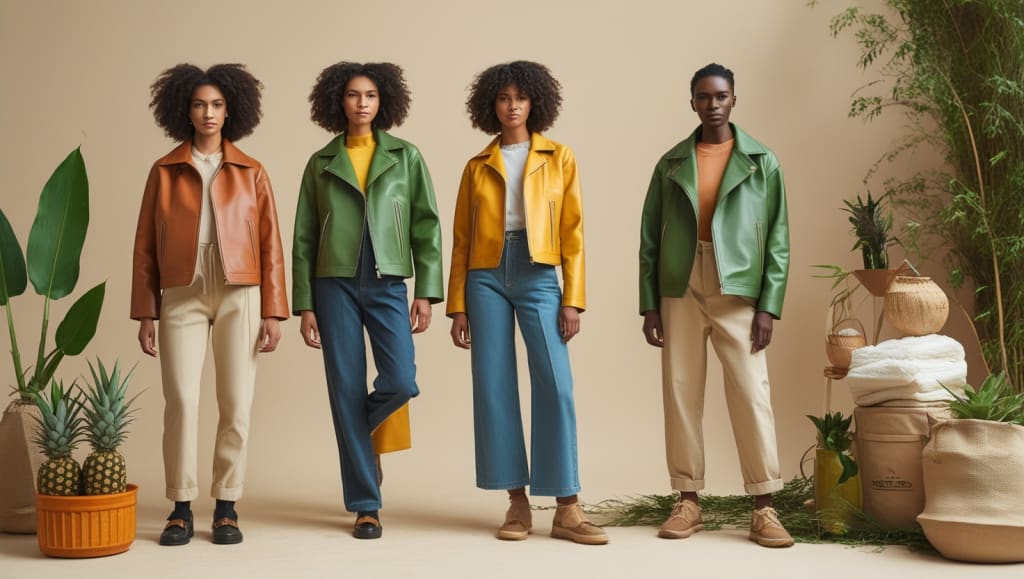
The Plant-Based Fad: From Cuisine to Style
In the last few years, plant-based living has evolved from being a food option—it's turned into a cultural phenomenon that is entering every part of life. Even though plant-based eating has always been associated with healthier lifestyles and a greener planet, the new plant-based movement is extending far beyond the plate. From fashion to food, the demand for plant-based solutions is building a more sustainable, more compassionate, and more creative world.
Plant-Based Diet: A New Cultural Movement
At the epicenter of this trend is the increased popularity of plant-based diets, with millions of people across the globe adopting meatless or vegan lifestyles. Studies have indicated that the number of Americans adopting plant-based diets has been steadily rising over the past few years, thanks to concerns on health, animal welfare, and environmental issues. For some others, plant-based living is not just a diet—it's a conscious choice to reduce one's environmental impact and live in harmony with sustainability values.
Plant-based food innovation has never been greater. Plant-based burgers, dairy-free cheese, and even lab-grown meat are gaining traction in mass markets, with large fast-food chains featuring plant-based meals. Beyond Meat and Impossible Foods are at the forefront, showing that plant-based food can compete on taste, texture, and adaptability with its animal-based equivalent. There is no longer limitation to soy food, but rather individuals are getting to experience a deep richness of plant-powered alternatives that bring out flavors and ingredients.
The health benefits of plant-based diets, including lower risk of chronic disease and better gastrointestinal health, have turned the trend into a popular phenomenon among millennials and Gen Z. For others, eating plant-based is not only about food; it's a lifestyle that impacts their ecosystem to their well-being.
Plant-Based Fashion: Ethical and Trendy Options
Whereas in recent years it has been all about plant-based diets, plant-based fashion is quickly catching up, offering another avenue where values and fashion are matched. Cruelty-free, sustainable fashion and accessories is on the increase as consumers seek to substitute animal products such as leather, wool, and silk with something more.
At the vanguard are style-forward brands, which are pushing the boundaries of fashion with vegetation-based materials. From vegan jackets crafted from pineapple or mushroom fibers to apparel utilizing eco-friendly resources such as bamboo, organic cotton, and hemp, the worlds of cruelty-free fashion are limited only by creativity. These solutions not only eliminate animal products, but they sometimes provide greater resistance, distinctive texture, and less carbon footprint as well.
One of the most exciting new trends in plant-based fashion is the development of *vegan leather*. For centuries, long manufactured from animal skins, leather has been the high-fashion favorite of luxury brands. However, the new crop of vegan leather is making use of plant-based materials like mushrooms, apples, pineapples, and even cacti to create tough and trendy alternatives. One such case in point is Piñatex, a pineapple leaf fiber-based fabric that has become the go-to among fashion folks for being light, breathable, and eco-friendly.
Stella McCartney, Patagonia, and Adidas are leading the plant-based fashion revolution with chic alternatives to conventional clothing. McCartney, a pioneer of eco-fashion, has been incorporating animal-free products into her collections for years, and now others are fighting to get in on the action. Even luxury fashion brands are getting in on the action, with high-end producers experimenting with plant-based alternatives from handbags to shoes to outerwear.
The Environmental Impact: A Move Towards Sustainability
The plant-based revolution isn't a question of personal preference—it's about collective action to address the environmental crisis. The fashion and food industries are among the largest sources of global greenhouse gas emissions, water consumption, and deforestation. By opting for plant-based options in fashion and food, consumers are cutting their environmental footprint.
For instance, plant-based textile production requires fewer natural resources compared to traditional animal-based textiles. Vegan leather and other plant-based materials are produced with lower carbon footprints, less water usage, and minimal waste. Similarly, the plant-based food industry has a significantly smaller environmental impact than the meat industry. Plant food production requires less land, water, and energy compared to livestock production, which in turn reduces deforestation and greenhouse gas emissions.
As more people learn about the connection between what they wear and what they eat, sustainable consumption is gaining traction. The movement is not just about reducing animal cruelty but also about avoiding the environmental devastation caused by industrial farming and textile production. By adopting plant-based options, consumers can reduce their footprint while making a statement of value.
The Future of the Plant-Based Trend: Innovation and Influence
The plant-based trend is still in its infancy, and its influence continues to grow across various sectors. With advancements in plant-based food technology and fashion materials, we’re likely to see even more creative solutions in the future. From plant-based sneakers to sustainable packaging, the possibilities are endless as innovators find new ways to replace harmful or resource-intensive products with eco-friendly alternatives.
In addition, this trend is gaining momentum among young generations, who are more concerned with issues of environmental sustainability, ethics, and justice. Gen Z, in particular, is leading the demand for plant-based products, seeking brands that align with their moral compass and offer products that are cruelty-free, ethical, and sustainable. As this generation moves into the workforce and becomes dominant consumers, the plant-based revolution is poised to transform the future of food and fashion for decades to come.
Conclusion
The plant-based phenomenon is no longer just what we eat; it's a revolution in culture on a wholesale level that impacts how we dress, how we live, and how we coexist with the earth. From vegan burgers to plant-based leather jackets, this revolution is teaching us that ethical choices can be trendy, forward-thinking, and sustainable. As consumers continue to demand more sustainable and cruelty-free options, the plant-based revolution has no indications of slowing down—teaching us that it is possible to make kind, earth-friendly choices that are both cool and delicious.
About the Creator
Pen to Publish
Pen to Publish is a master storyteller skilled in weaving tales of love, loss, and hope. With a background in writing, she creates vivid worlds filled with raw emotion, drawing readers into rich characters and relatable experiences.
Keep reading
More stories from Pen to Publish and writers in Lifehack and other communities.
Rise Like the Sun: A Women’s Day Story.
h In a quiet village where traditions ruled, Meher grew up watching women lower their eyes and silence their dreams. But she was different. She had a fire in her heart and a dream in her soul—to become a teacher and change the lives of young girls who, like her, longed for knowledge.
By Pen to Publish11 months ago in Lifehack
How to Build a Home Gym You’ll Actually Use (Not One That Collects Dust)
Building a home gym sounds simple: buy some equipment, set it up, and train whenever you want. In reality, many home gyms end up unused after the initial excitement fades. The problem usually isn’t motivation or discipline—it’s design.
By Enrique Navarro5 days ago in Lifehack
The Nutrient Gap No One Talks About When It Comes to Focus and Attention
Key Takeaways Taking the proper nutrients helps maintain optimal body function. The vagus nerve is a vital component in the connection between the brain and the gut. The right supplements, such as Neupril Pure Methylfolate, play a key role in helping clear brain fog.
By Tess DiNapoli3 days ago in Lifehack



Comments
There are no comments for this story
Be the first to respond and start the conversation.