
How the Customization Process for PVC Fabric in Canada Works
Customization PVC Fabric in Canada

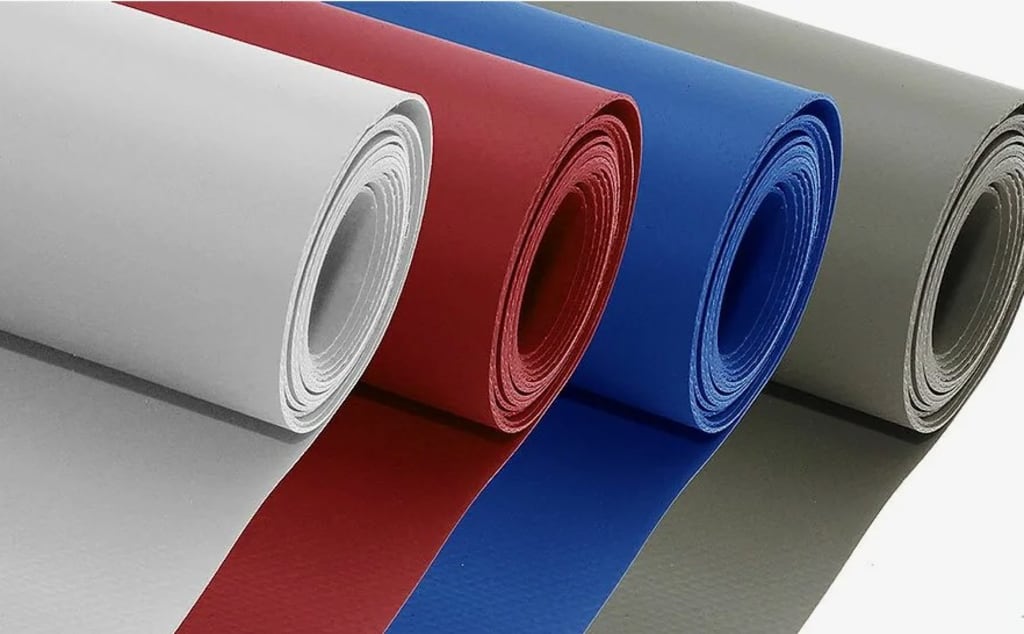
Customizing PVC fabric in Canada involves a detailed and structured process to ensure the final product meets specific requirements for durability, design, and functionality. Whether for industrial, commercial, or personal use, the process includes material selection, design customization, printing, coating, and finishing. Canadian manufacturers adhere to strict quality standards to deliver high-performance PVC fabric tailored to various applications.
Understanding PVC Fabric and Its Uses
PVC (polyvinyl chloride) fabric is a synthetic material known for its strength, weather resistance, and flexibility. It is widely used in banners, tents, truck tarps, marine covers, and inflatable structures. The ability to customize PVC fabric makes it ideal for businesses and individuals who need specific colors, prints, or reinforced features.
In Canada, industries such as construction, advertising, and outdoor recreation rely on custom PVC fabric for durable and long-lasting solutions. The customization process ensures that the material performs well under different environmental conditions, including extreme cold, UV exposure, and heavy rain.
Step 1: Choosing the Right PVC Fabric Type
The first step in customization is selecting the appropriate type of PVC fabric. Manufacturers offer different weights, thicknesses, and coatings depending on the intended use. Standard PVC fabric is commonly used for banners and signage, providing good printability and moderate durability. Reinforced PVC fabric includes polyester or mesh layers for added strength, making it ideal for truck covers and industrial applications. Fire-retardant PVC is treated with special chemicals to resist flames, often required for event tents and indoor displays. Marine-grade PVC is designed to withstand saltwater, mold, and prolonged sun exposure, making it perfect for boat covers and sails. Canadian suppliers assist customers in choosing the best material based on factors like weather resistance, tear strength, and flexibility.
Step 2: Design and Artwork Preparation
Once the fabric type is selected, the next step is designing the artwork. Customers can submit their own graphics or work with designers to create custom prints. High-resolution vector files such as AI, EPS, or PDF ensure sharp and clear prints. Pantone colors can be used for precise shade accuracy, and designs may need scaling or repositioning to fit the final product dimensions. Canadian printing companies use advanced software to proof designs before production, ensuring no errors in text, logos, or patterns.
Step 3: Digital or Screen Printing Process
PVC fabric can be printed using different methods, depending on the complexity and quantity of the order. Digital printing is best for detailed, full-color designs with gradients and photographs, and it is cost-effective for small to medium batches. Screen printing is ideal for large orders with solid colors, providing vibrant and long-lasting prints. UV printing offers extra durability and resistance to fading, making it suitable for outdoor applications. Canadian manufacturers use high-quality inks that adhere well to PVC, ensuring the design remains intact even after prolonged use.
Step 4: Coating and Lamination for Extra Protection
After printing, the fabric may undergo additional treatments to enhance performance. A liquid PVC layer can be applied for extra waterproofing and tear resistance. Lamination involves adding a protective film to shield against scratches and UV damage. Anti-microbial treatment prevents mold and mildew growth, which is particularly useful for marine and healthcare applications. These processes ensure the fabric lasts longer in harsh conditions, making it a reliable choice for Canadian climates.
Step 5: Cutting and Sewing for Final Assembly
Once printed and coated, the PVC fabric is cut to the required dimensions. Manufacturers use precision cutting machines to ensure clean edges. Industrial sewing with heavy-duty stitching reinforces seams, especially for load-bearing applications like tarps and inflatables. Some products use heat welding instead of stitching for a completely waterproof seal. Grommets and fasteners, such as metal or plastic rings, are added for easy installation and tie-downs. Canadian fabricators follow strict quality checks to ensure every piece meets durability standards before shipping.
Step 6: Quality Testing and Inspection
Before delivery, custom PVC fabric undergoes rigorous testing. Tensile strength tests measure resistance to stretching and tearing. Waterproof tests ensure no leakage under heavy rain or pressure washing. Colorfastness tests verify that prints won’t fade quickly under sunlight. Manufacturers in Canada adhere to industry standards, providing warranties and guarantees for their products.
Step 7: Packaging and Delivery
The final step involves careful packaging to prevent damage during transit. Depending on size, PVC fabric is rolled for banners or folded for smaller items. Protective wrapping prevents scratches and moisture damage during shipping. Canadian suppliers offer fast shipping options with tracking, ensuring customers receive their custom PVC fabric ready for immediate use, whether for advertising, construction, or recreational purposes.
Conclusion
The customization process for PVC fabric in Canada ensures high-quality, durable, and visually appealing products tailored to specific needs. From material selection to final inspection, each step is carefully managed to meet industry standards. Businesses and individuals can rely on Canadian manufacturers for custom PVC solutions that withstand tough conditions while maintaining vibrant prints and structural integrity. By understanding this process, customers can make informed decisions when ordering custom PVC fabric for their projects. Whether for industrial tarps, event banners, or marine covers, Canadian-made PVC fabric offers reliability and long-term performance.
About the Creator
Lantier Tent Structures LTD
Lantier Tent Structures (LTS) is a leading supplier and manufacture of engineered fabric structures, Insulated buildings and all-weather enclosures and shelters. for more: https://www.lantierstructures.com/
Keep reading
More stories from Lantier Tent Structures LTD and writers in Lifehack and other communities.
How Much Does a Tensile Structure Cost?
Tensile structures are a popular choice for modern architecture due to their lightweight, durable, and visually striking designs. They are used in various applications, including stadiums, airports, parking shades, and outdoor event spaces. However, one of the most common questions people have is: How much does a tensile structure cost? The answer depends on several factors, such as size, material, design complexity, and installation requirements. Below, we break down the key cost factors to help you estimate the budget for your tensile structure project.
By Lantier Tent Structures LTD10 months ago in Lifehack
What to Expect From Mobile App Development Teams in Miami?
Miami’s tech ecosystem grew fast and unevenly. According to Statista, Florida’s digital economy expanded by over 17 percent between 2022 and 2025, pulling in agencies, freelancers, boutique firms, and offshore-linked teams at very different maturity levels.
By Mike Pichai7 days ago in Lifehack
The Guardian Geofence: Creating Dynamic Safe Zones for School, Sports, and Travel
The Guardian Geofence: Creating Dynamic Safe Zones Geofencing—creating virtual boundaries that trigger alerts—is one of the most powerful yet underutilized features of modern family safety. Moving beyond a single home alert, you can create a dynamic system of "safe zones" that automatically keeps you informed during daily routines and special trips.
By Olivia Martinez5 days ago in Lifehack
Affection and Healing for Yourself
During the night of the last quarter moon, I gathered my ritual supplies. I carefully handled the chunk of black tourmaline that would protect me from your overall negative and narcissistic energy. I carefully walked the house with my stick of selenite in hand, asking the universe to cleanse our working space.
By Alisha Wilkins ✒️🦋🖋️6 days ago in Fiction




Comments
There are no comments for this story
Be the first to respond and start the conversation.