
How Much Does a Tensile Structure Cost?
Tent Structure Cost

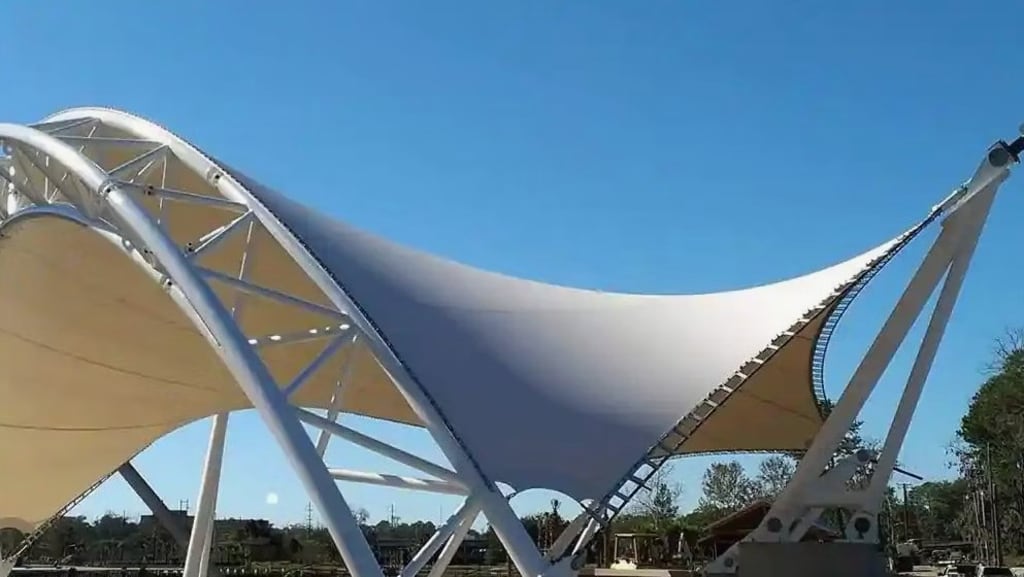
Tensile structures are a popular choice for modern architecture due to their lightweight, durable, and visually striking designs. They are used in various applications, including stadiums, airports, parking shades, and outdoor event spaces. However, one of the most common questions people have is: How much does a tensile structure cost? The answer depends on several factors, such as size, material, design complexity, and installation requirements. Below, we break down the key cost factors to help you estimate the budget for your tensile structure project.
Factors Affecting the Cost of Tensile Structures
The cost of a tensile structure is not fixed and can vary significantly based on different elements. Understanding these factors will help you plan your budget more effectively and make informed decisions.
1. Size and Span of the Structure
The size of the tensile structure is one of the biggest cost determinants. Larger structures require more materials, stronger support systems, and additional engineering work, which increases the overall price. For example, a small car parking shade will cost significantly less than a massive stadium cover. The span (distance between support points) also plays a role—wider spans need stronger cables and frames, leading to higher costs.
2. Material Quality and Type
Tensile structures are typically made from high-quality fabrics like PVC-coated polyester, PTFE-coated fiberglass, or ETFE foil. Each material has different durability, weather resistance, and lifespan, affecting the cost. PVC is the most affordable option, while PTFE and ETFE are more expensive but offer better longevity and performance. The choice of steel or aluminum for the supporting framework also impacts the price, with stainless steel being more costly but highly durable.
3. Design Complexity
Simple, standard designs are more budget-friendly, while custom or complex shapes require advanced engineering and specialized fabrication. Unique architectural features, curves, and multiple tension points increase labor and material costs. If your project involves intricate patterns or non-standard dimensions, expect a higher price tag.
4. Site Preparation and Installation
The condition of the installation site can influence the total cost. If the ground needs leveling, reinforcement, or additional foundation work, this will add to the expenses. Difficult-to-access locations may require special equipment or extended labor hours, further increasing the budget. Additionally, projects in areas with strict building codes may need extra permits and inspections, adding to the overall cost.
5. Location and Labor Costs
Labor rates vary depending on the region. In areas with higher wages, installation costs will be more expensive. Shipping materials to remote locations can also increase expenses due to transportation fees. It’s important to get quotes from local contractors to understand how location affects pricing.
6. Additional Features and Customizations
Extra features like lighting, insulation, or integrated drainage systems will raise the total cost. Custom colors, branding, or special fabric treatments (such as UV protection or fire resistance) also contribute to higher prices. If you need automated tensioning systems or retractable designs, these advanced functionalities will further increase the budget.
Average Cost Range for Tensile Structures
While exact pricing depends on the factors mentioned above, here’s a general cost range for different types of tensile structures:
• Small Canopies & Shade Sails: 1,500–1,500–10,000
• Car Parking Shades: 10,000–10,000–50,000
• Medium-Sized Walkway Covers & Outdoor Event Tents: 20,000–20,000–100,000
• Large Stadium Roofs & Airport Terminals: 100,000–100,000–1,000,000+
These estimates include materials, design, and installation but can vary based on customization and regional pricing differences.
Ways to Reduce the Cost of Tensile Structures
If you’re working with a tight budget, there are ways to minimize costs without compromising quality.
1. Choose Standard Designs Over Custom Shapes
Opting for pre-engineered designs instead of fully customized structures can save money. Standard shapes like hyperbolic paraboloids or simple cone designs are easier to fabricate and install, reducing labor and material expenses.
2. Use Cost-Effective Materials
PVC-coated polyester is a budget-friendly option that still offers good durability. If long-term performance is not a critical factor, this material can help keep costs down while providing adequate weather resistance.
3. Simplify Installation Requirements
Preparing the site in advance and ensuring easy access for installation crews can lower labor costs. Avoiding complex foundation work by choosing locations with stable ground also helps reduce expenses.
4. Compare Multiple Contractor Quotes
Getting estimates from different suppliers and contractors allows you to find the best balance between cost and quality. Look for companies with experience in tensile structures to ensure proper installation and avoid future repair costs.
5. Plan for Long-Term Maintenance
While upfront costs are important, considering long-term maintenance can save money over time. High-quality materials may cost more initially but require fewer repairs, making them more economical in the long run.
Conclusion
The cost of a tensile structure depends on multiple factors, including size, materials, design complexity, and installation requirements. While prices can range from a few thousand dollars for small shades to over a million for large-scale projects, careful planning and smart material choices can help manage expenses. By understanding these cost drivers and exploring ways to optimize your budget, you can invest in a tensile structure that meets both your aesthetic and financial needs.
If you’re considering a tensile structure, consult with experienced architects and contractors to get accurate estimates tailored to your specific project. This ensures you get the best value for your investment while achieving a durable and visually impressive result.
About the Creator
Lantier Tent Structures LTD
Lantier Tent Structures (LTS) is a leading supplier and manufacture of engineered fabric structures, Insulated buildings and all-weather enclosures and shelters. for more: https://www.lantierstructures.com/
Keep reading
More stories from Lantier Tent Structures LTD and writers in Lifehack and other communities.
How the Customization Process for PVC Fabric in Canada Works
Customizing PVC fabric in Canada involves a detailed and structured process to ensure the final product meets specific requirements for durability, design, and functionality. Whether for industrial, commercial, or personal use, the process includes material selection, design customization, printing, coating, and finishing. Canadian manufacturers adhere to strict quality standards to deliver high-performance PVC fabric tailored to various applications.
By Lantier Tent Structures LTD10 months ago in Lifehack
10 Life-Changing Money Rules Most People Learn Too Late
The Silent Rules That Shape Your Financial Life Most people don’t fail with money because they’re lazy or unintelligent—they fail because they were never taught the rules. From silent habits passed down by parents to cultural myths about wealth, our financial decisions are often guided by invisible forces. The truth is, money follows patterns, and those who understand them build stability, freedom, and peace of mind. What if a few simple rules could radically change how you earn, spend, save, and invest? These ten money rules aren’t get-rich-quick tricks—they’re timeless principles that quietly shape financial success.
By S.A Charles3 days ago in Lifehack
Your AI Houseplant Coach: The 5 Most Common Mistakes & How to Avoid Them
We bring plants into our homes as living pieces of joy, creativity, and calm. Yet, that relationship can sometimes feel fraught with anxiety—a yellow leaf feels like personal criticism, a drooping stem a sign of failure. Having analyzed countless care queries and plant health data at AI Plant Finder, I’ve seen clear patterns emerge. The journey from a nervous plant owner to a confident grower isn't about having a "green thumb"; it's about unlearning a few common, well-intentioned mistakes. Consider this your friendly, data-informed coaching session. Let's replace guilt with understanding and turn those common pitfalls into stepping stones for growth, mirroring how a supportive creative community helps us refine our craft.
By Emma Wallace4 days ago in Lifehack




Comments
There are no comments for this story
Be the first to respond and start the conversation.