
How the Bladder Stays Supported: A Deep Dive into Your Body’s Hidden Hero
you’re at a concert, swaying to your favorite song, when nature calls.

The Unsung Hero of Your Body
Picture this: you’re at a concert, swaying to your favorite song, when nature calls. You dash to the restroom, weaving through the crowd, and make it just in time. You don’t think twice about it, but behind that moment of relief is a remarkable system working tirelessly to keep everything in place. Your bladder, that small, stretchy sac that holds your urine, doesn’t just float around inside you like a balloon. It’s carefully supported by a network of muscles, tissues, and even bones that ensure it does its job without a hitch. But how is the bladder supported? And why does it matter?
This question might seem niche, but it’s one that touches everyone’s life. Whether you’re a new mom navigating postpartum changes, an athlete pushing your body to the limit, or just someone who’s curious about how your body works, understanding how the bladder stays supported can unlock insights into your overall health. In this article, we’ll take a journey through the body’s inner workings, exploring the structures that hold the bladder in place, the challenges they face, and why keeping them strong is so important. Along the way, I’ll share stories, practical tips, and relatable moments to make this feel less like a biology lesson and more like a conversation with a friend. Let’s dive in!
The Anatomy of Support: What Holds the Bladder Up?
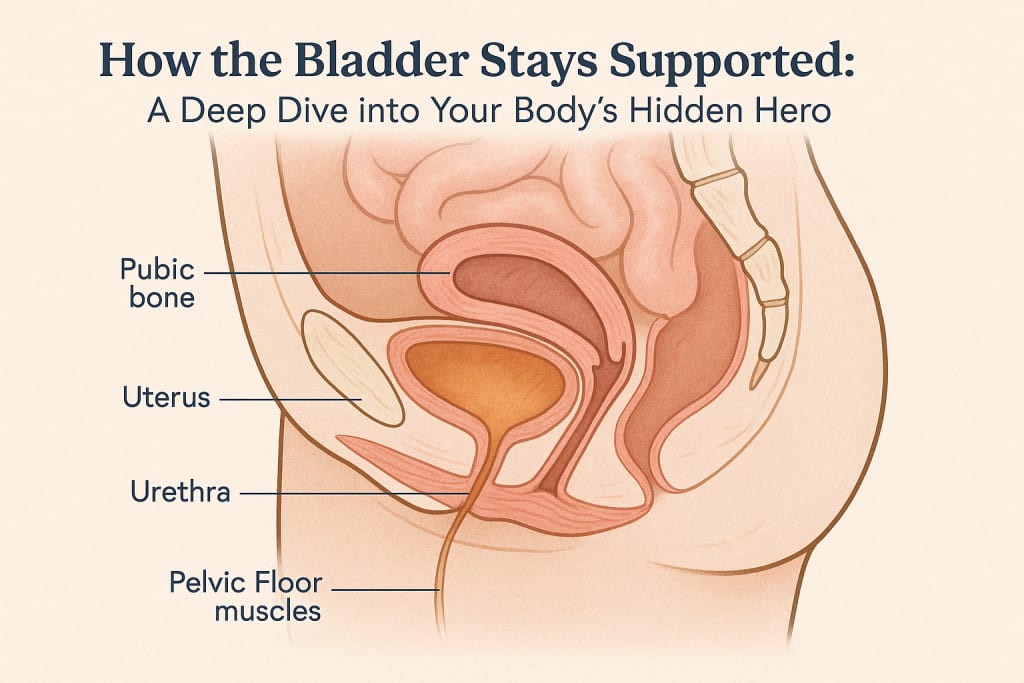
To understand how is the bladder supported?, we need to start with a quick tour of the pelvis, the bustling hub where the bladder resides. Imagine your pelvis as a sturdy bowl, crafted from bones, muscles, and connective tissues, all working together to cradle your internal organs. The bladder sits snugly in this bowl, just behind the pubic bone and below the intestines, like a water balloon tucked into a cozy nest.
The Pelvic Bones: The Foundation
The pelvic bones form the structural base of this support system. Think of them as the walls of a house, providing stability and shape. The pelvis is made up of several bones, including the ilium, ischium, and pubis, which fuse together to create a bony ring. This ring doesn’t just protect the bladder; it gives it a solid anchor point. Without these bones, the bladder would have no firm foundation to rest on, and things could get… well, messy.
The Pelvic Floor Muscles: The Sling That Saves
Now, let’s talk about the real MVPs: the pelvic floor muscles. These are a group of muscles stretched across the bottom of the pelvis like a hammock. They’re the unsung heroes that answer the question, how is the bladder supported? These muscles don’t just hold the bladder in place; they also support the urethra (the tube that carries urine out of the body) and other pelvic organs like the uterus or prostate.
Imagine you’re carrying a heavy grocery bag. The pelvic floor is like the strong, stretchy straps of that bag, keeping everything secure even when the load gets heavy. These muscles contract and relax to control when you pee, ensuring you don’t leak during a sneeze or a sprint. For example, Sarah, a 35-year-old marathon runner, noticed she’d sometimes leak a little during her long runs. After working with a physical therapist to strengthen her pelvic floor, she was back to crushing her races without worry. Stories like Sarah’s show how vital these muscles are to everyday life.
Ligaments and Connective Tissues: The Glue
Ligaments and connective tissues act like the glue that keeps everything in place. These tough, fibrous bands attach the bladder to the pelvic bones and other nearby structures, ensuring it doesn’t shift around when you move. Think of them as the bungee cords that hold a tent in place during a windy camping trip. They’re flexible enough to allow the bladder to expand as it fills with urine but strong enough to keep it anchored.
The Role of Neighboring Organs
The bladder doesn’t work in isolation. Nearby organs, like the intestines and reproductive organs, also play a role in keeping it stable. They create a sort of “crowded neighborhood” effect, where everything is packed tightly enough to prevent excessive movement. It’s like living in a busy apartment building—everyone’s close enough to keep things orderly, but there’s still room to breathe.
When Support Falters: Common Challenges
So, how is the bladder supported? We’ve got bones, muscles, ligaments, and neighboring organs all pitching in. But what happens when this support system faces challenges? Life has a way of throwing curveballs, and the bladder’s support structures are no exception.
Pregnancy and Childbirth: A Test of Strength
Take Emily, a 29-year-old first-time mom. During her pregnancy, she noticed she had to pee more often, and sometimes a cough or laugh would lead to an unexpected leak. Pregnancy puts immense pressure on the pelvic floor as the growing baby presses down on the bladder. Childbirth, especially vaginal delivery, can stretch or even weaken these muscles, making it harder for them to support the bladder effectively. For Emily, doing pelvic floor exercises during and after pregnancy helped her regain control and confidence.
Aging: The Slow Wear and Tear
As we age, the pelvic floor muscles and ligaments can lose some of their strength and elasticity, much like a favorite pair of jeans that starts to sag over time. This can lead to issues like incontinence or pelvic organ prolapse, where the bladder or other organs slip out of place. For example, John, a 62-year-old retiree, found himself making more frequent bathroom trips and struggling with occasional leaks. A visit to a urologist and a tailored exercise plan helped him strengthen his pelvic floor and manage his symptoms.
High-Impact Activities: The Athletic Challenge
Athletes like Sarah, who we mentioned earlier, often put their pelvic floor to the test. High-impact activities like running, jumping, or weightlifting can strain these muscles, especially if they’re not strong enough to handle the pressure. This is why many fitness coaches now incorporate pelvic floor training into their programs, helping athletes like Sarah stay leak-free and focused.
Medical Conditions and Surgeries
Certain medical conditions, like obesity or chronic coughing, can add extra strain on the bladder’s support system. Surgeries, such as hysterectomies or prostate removals, can also disrupt the pelvic floor or ligaments, leading to changes in bladder support. These challenges highlight the importance of understanding how is the bladder supported so we can take steps to protect it.
Strengthening the Support System: Practical Tips
The good news? You can take steps to keep your bladder’s support system strong and resilient. Here are some practical, real-world ways to do just that, inspired by people who’ve been there.
Pelvic Floor Exercises: The Kegel Connection
Kegels are the go-to exercise for strengthening the pelvic floor. These involve contracting and relaxing the muscles you’d use to stop the flow of urine. Picture yourself in a boring meeting, discreetly doing Kegels under the table—no one will know, but your bladder will thank you! Here’s how to do them:
Find the right muscles: Next time you’re peeing, try stopping the flow midstream. Those are your pelvic floor muscles.
Practice regularly: Aim for 10–15 contractions, holding each for 3–5 seconds, three times a day.
Be patient: It can take weeks or months to notice a difference, but consistency pays off.
For example, Maria, a 45-year-old teacher, started doing Kegels after noticing leaks during her Zumba classes. Within a few months, she felt stronger and more in control.
Stay Active, but Smart
Regular exercise keeps your pelvic floor and core muscles strong, which indirectly supports the bladder. Low-impact activities like yoga or Pilates are especially helpful because they focus on core strength and flexibility. However, if you’re into high-impact sports, balance them with pelvic floor training to avoid overloading the system.
Maintain a Healthy Weight
Carrying extra weight can put pressure on the pelvic floor, weakening its ability to support the bladder. A balanced diet and regular movement can help you maintain a healthy weight, easing the load on your pelvis. For instance, Tom, a 50-year-old truck driver, lost 20 pounds through small changes like walking during his breaks and cutting back on soda. He noticed fewer bladder issues and more energy overall.
Stay Hydrated, but Don’t Overdo It
Drinking enough water keeps your bladder healthy, but chugging too much can overfill it and strain the pelvic floor. Aim for a balance—about 6–8 cups of water a day, adjusted for your activity level and climate.
Seek Professional Help
If you’re struggling with leaks, frequent urination, or pelvic discomfort, don’t hesitate to see a doctor or pelvic floor physical therapist. They can assess your situation and create a personalized plan. Emily, the new mom we mentioned earlier, found that working with a therapist gave her tools and confidence she didn’t know she needed.
Why It Matters: The Bigger Picture
Understanding how is the bladder supported isn’t just about anatomy—it’s about quality of life. A strong support system means you can laugh at a friend’s joke, run a 5K, or carry your toddler without worrying about leaks or discomfort. It’s about feeling confident in your body, no matter your age or stage of life.
For someone like Sarah, the marathon runner, a strong pelvic floor meant crossing finish lines without embarrassment. For John, the retiree, it meant enjoying his daily walks without constant bathroom stops. And for Emily, the new mom, it meant reclaiming her body after childbirth. These stories remind us that the bladder’s support system, though hidden, plays a starring role in our daily lives.
Conclusion: Take Charge of Your Bladder’s Support
So, how is the bladder supported? It’s a team effort—pelvic bones provide the foundation, pelvic floor muscles act as a sling, ligaments hold everything together, and neighboring organs keep things snug. But this system isn’t invincible. Life’s challenges, from pregnancy to aging to high-impact activities, can test its strength. The good news is that you have the power to support it back.
Start small: try a few Kegels today, take a walk, or sip water mindfully. If you’re facing challenges, don’t shy away from seeking help—your body deserves it. Think of your bladder’s support system as a loyal friend who’s always there, quietly doing their job. Isn’t it time you gave them a little love in return?
What’s one step you can take today to support your bladder? Maybe it’s doing a set of Kegels or scheduling that doctor’s visit you’ve been putting off. Whatever it is, take that step, and know that you’re investing in a stronger, more confident you. Your body—and your bladder—will thank you.
About the Creator
Health Zone
Discover expert wellness tips, natural remedies, & nutrition hacks for busy lives. Science-backed advice for healthy living, glowing skin, & mindful habits. Join Health Zone—your shortcut to holistic vitality! 🌿
Keep reading
More stories from Health Zone and writers in Lifehack and other communities.
The Invisible Net Holding You Together: How Your Bladder Stays Put
Ever laughed so hard you nearly peed? Or coughed unexpectedly and felt that tiny, panicked clench? We've all been there. It’s a funny, slightly embarrassing moment, but it points to something incredible happening inside you every single second: a complex, hidden support system working tirelessly to keep your bladder right where it belongs. Understanding how is the bladder supported isn't just anatomy trivia – it’s the key to feeling strong, confident, and in control of your body. Let’s pull back the curtain on this amazing inner architecture.
By Health Zone6 months ago in Lifehack
How Big Game Hunting in Namibia Supports Wildlife Conservation
Namibia is widely recognized as one of Africa’s greatest wildlife conservation success stories. Unlike many countries where wildlife populations have declined, Namibia has seen steady growth in key species such as elephant, black rhino, lion, and plains game. A major reason behind this success is the country’s carefully regulated big game hunting namibia model, which directly supports conservation, habitat protection, and rural livelihoods.
By Aru Game Lodges 4 days ago in Lifehack
A Priceless Lesson of Life
There was once a man who had four sons. He deeply wished that his sons would learn one of the most important lessons of life: never be quick to judge others. He believed that true understanding comes only with patience and time. To teach them this lesson in a meaningful way, he decided to send them on a journey.
By Sudais Zakwana day ago in Lifehack




Comments
There are no comments for this story
Be the first to respond and start the conversation.