
How Stress Secretly Destroys Your Health
The Silent Chain Reaction Affecting Your Mind, Body, and Life

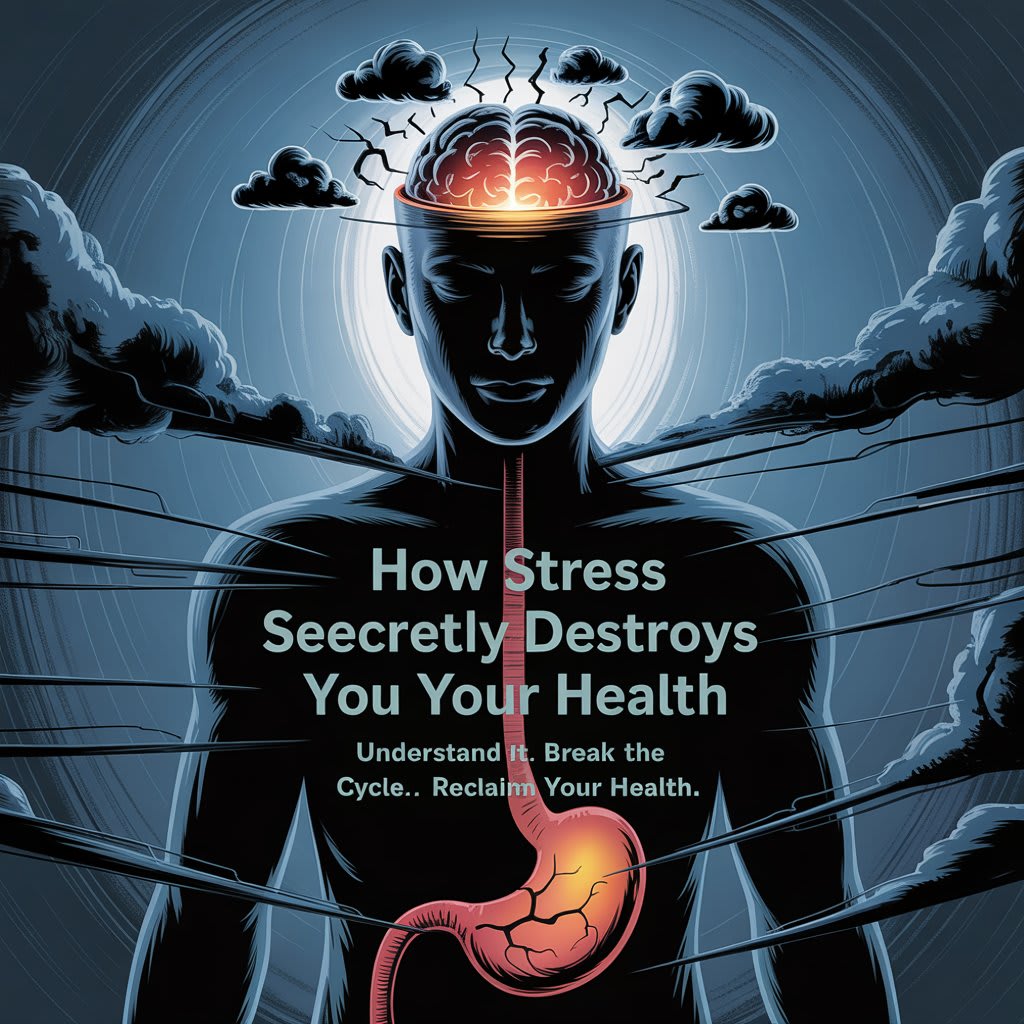
In today’s fast-paced, hyperconnected world, stress has become so common that it’s often mistaken for a normal part of life. We wear it like a badge of honor—equating busyness with productivity and overwhelm with ambition. But stress isn’t just a fleeting feeling or a minor inconvenience. Chronic stress is a silent saboteur—a powerful biological force that wreaks havoc on your mind, body, and entire life if left unchecked.
Unlike obvious health threats like smoking or poor diet, stress operates subtly. It doesn't always scream; it whispers—through fatigue, brain fog, digestive issues, skin flare-ups, and irritability. And by the time it becomes visible, the damage is often already well underway. Let’s explore how this chain reaction unfolds and the often overlooked niches it impacts.
🧠 1. Your Mind: The Cognitive and Emotional Toll
Stress doesn’t just make you feel emotionally on edge—it alters the very architecture and chemistry of your brain. Here's how:
🔁 Hormonal Hijack
When you're under stress, your brain triggers the hypothalamic-pituitary-adrenal (HPA) axis, releasing cortisol and adrenaline. While this response is vital in short bursts, chronic activation becomes harmful.
Cortisol, known as the “stress hormone,” can impair memory, concentration, and emotional regulation when elevated over long periods.
Stress shrinks the hippocampus, the brain’s memory center, and enlarges the amygdala, the fear center—leading to anxiety and poor decision-making.
😔 Mood Disorders
Chronic stress is linked to depression, anxiety, and burnout.
It depletes levels of serotonin and dopamine, brain chemicals crucial for happiness, motivation, and focus.
Over time, this imbalance may lead to emotional numbness, irritability, and a sense of helplessness.
💤 Sleep Disruption
Stress makes it difficult to fall or stay asleep. This sleep deprivation, in turn, worsens cognitive performance and emotional regulation—creating a vicious cycle of exhaustion and mental fog.
🏥 2. Your Body: Systemic Damage from Head to Toe
Many people don’t connect their physical symptoms to stress. But stress has a physiological signature that affects nearly every organ system:
❤️ Cardiovascular Impact
High blood pressure: Stress constricts blood vessels and increases heart rate.
Heart disease: Elevated cortisol levels contribute to plaque buildup in arteries.
Heart attacks and strokes: Studies show chronic stress increases the risk significantly.
🍽 Metabolic Chaos
Stress triggers cravings for sugar, salt, and fat—leading to weight gain, especially abdominal fat.
It increases insulin resistance, potentially leading to type 2 diabetes.
Digestion slows under stress, contributing to IBS, bloating, and poor nutrient absorption.
🛡 Immune Suppression
Chronic stress weakens your immune system, making you more vulnerable to colds, flu, and even long-term conditions like autoimmune diseases.
Healing processes slow down—cuts, injuries, and even surgical recovery can take longer.
🧏♀️ Hormonal Imbalance
In women, stress can cause irregular periods, worsened PMS, or fertility issues.
In men, it can lower testosterone and reduce sperm quality.
Chronic stress accelerates aging, contributing to premature wrinkles, hair thinning, and reduced libido.
🌪 3. Your Life: The Ripple Effect Across Daily Functioning
Stress doesn’t just stay inside you—it leaks into every part of your life, shaping your behaviors, relationships, work performance, and even sense of purpose.
💼 Professional Burnout
Chronic stress at work leads to burnout, which includes emotional exhaustion, detachment, and reduced effectiveness.
You may start to resent tasks, lose passion, or disengage—damaging both career progression and personal satisfaction.
👪 Relationship Strain
Stress reduces your emotional availability, making it hard to connect with loved ones.
You may become more reactive, impatient, or withdrawn—leading to conflicts or distance in relationships.
Caregivers and parents under stress often unintentionally pass stress patterns to children, contributing to generational anxiety.
📉 Productivity Paradox
While stress can offer a short-term performance boost, chronic stress impairs memory, creativity, and focus.
Multitasking under stress actually reduces efficiency and increases mistakes.
Long-term stress often results in procrastination, disorganization, and decision fatigue.
🚫 Avoidance and Numbing
Many cope with stress through unhealthy habits: overeating, binge-watching, drinking, smoking, or overworking.
These behaviors offer short-term relief but worsen the stress cycle over time.
🔄 The Chain Reaction: One Stressor, Multiple Impacts
The danger of chronic stress is not just its intensity—but its cumulative and compounding nature. A stressful job can affect your sleep. Poor sleep affects your mood. A low mood affects your eating habits. Nutritional deficiency weakens your immunity. And so on.
This creates a feedback loop, where stress not only spreads across systems but also reinforces itself through negative coping mechanisms, physiological wear and tear, and emotional burnout.
🌱 Breaking the Cycle: Awareness as the First Step
Understanding stress's silent destruction is essential not to live in fear—but to take back control. Here’s what that first step looks like:
Name it to tame it: Recognize your stress triggers and physical responses.
Create buffer zones: Schedule time daily for activities that relax your nervous system—nature walks, deep breathing, laughter, or art.
Rebuild your stress resilience: Exercise regularly, sleep intentionally, connect with supportive people, and seek professional help when needed.
Shift the narrative: You don’t have to live in survival mode. A calmer, more regulated life is both possible and necessary.
Conclusion: Stress Isn’t Harmless—But It’s Manageable
Stress may be invisible, but its impact is real. Left unaddressed, it chips away at your health, clouds your mind, and silently shapes a life far from the one you want. But awareness gives you power. When you understand how deeply stress infiltrates your systems, you can interrupt the chain reaction, reclaim your vitality, and begin living with clarity and calm.
Stress doesn’t have to define your days. With consistent, mindful steps, you can heal the damage—and protect the future version of you who’s counting on your care today.
Thank you so much for reading this! 🥰 If you liked my writing, please leave a comment, click the heart and subscribe for free!
You might enjoy this as well:
About the Creator
David
I turn science into self-care stories that spark real change. From mental wellness to everyday rituals, I share soulful, practical insights to help you heal, grow, and thrive—mindfully, boldly, and on your own terms. Wellness, redefined.
The Smartphone Feature Everyone Praises
There’s always at least one smartphone feature that gets universal praise. Reviewers highlight it. Launch events emphasize it. Comment sections fill with excitement. On paper, it sounds like the kind of innovation people have been waiting for.
By abualyaanarta day ago in Lifehack



Comments
There are no comments for this story
Be the first to respond and start the conversation.