
How Stem Cells Could Help You Reclaim Your Life from Rheumatoid Arthritis
A Patient's Guide to the Science, Safety, and Potential of Regenerative Therapy for Lasting RA Relief.

Living with Rheumatoid Arthritis (RA) means navigating a world of chronic pain, stiffness, and uncertainty. You know the frustration of treatments that only manage symptoms or come with difficult side effects. It’s a daily battle that can make you feel like you’ve lost control.
But what if there was a way to work with your body’s own healing potential?
Stem cell therapy is a new direction in RA treatment. This innovative approach doesn’t just mask the pain. It aims to address the root causes of joint damage: a haywire immune system and chronic inflammation.
What Is Rheumatoid Arthritis and How Does It Harm Joints?
Think of Rheumatoid Arthritis as a case of mistaken identity. It's an autoimmune disease, which means your immune system gets confused. Instead of protecting you, it mistakenly attacks your own body's tissues.
Specifically, it targets the lining of your joints, called the synovium. This attack triggers chronic inflammation. The inflammation causes the joint lining to swell, leading to the familiar pain and stiffness you feel. Over time, this process can severely damage the joint’s cartilage and bone, causing lasting harm.
How Does Stem Cell Therapy Target RA?
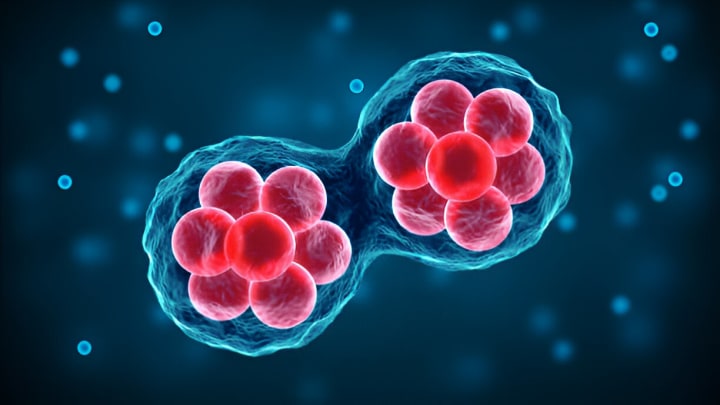
Stem cell therapy for RA uses a special kind of cell called a Mesenchymal Stem Cell (MSC). You can think of MSCs as your body's master repair crew. These cells are unique because they have two very important jobs that directly counter the effects of RA.
They Calm the Immune System: MSCs are experts at immune modulation, or immune regulation. They can signal your overactive immune cells to calm down. This helps to reduce the mistaken-identity attack on your joints. When the immune system stops attacking, the chronic inflammation goes down.
They Help Repair Damaged Tissue: MSCs can also stimulate regeneration. They release powerful signals that encourage your body’s own cells to start rebuilding. This process can help repair the cartilage and other tissues that RA has damaged, restoring function and structure to the joint.
This two-part action—calming the immune system and repairing tissue—is what makes this therapy so different. It’s a treatment that targets the disease process itself, not just the symptoms.
Is Stem Cell Therapy a Safe Treatment for RA?
For anyone considering a new medical treatment, safety is the top priority. Research shows that Mesenchymal Stem Cell therapy has a strong safety record in clinical trials for RA.
A 2023 systematic review and meta-analysis published in PLOS ONE looked at several clinical trials involving 358 patients. The researchers found no significant difference in adverse events between the stem cell group and the control group. Most importantly, they reported a favorable safety profile with no life-threatening events related to the therapy.
Facts & Figures: A Look at the Clinical Evidence
While stem cell therapy is still considered experimental for RA, the results from clinical studies are promising. Here are some key data points from recent medical research:
- Safety Profile: A 2023 meta-analysis covering multiple trials concluded that MSC therapy has a "favorable safety profile" for RA patients. The analysis of both serious and non-serious adverse events showed no statistical difference between patients receiving stem cells and those receiving a placebo.
- Clinical Improvement: The same 2023 meta-analysis noted a "trend toward clinical efficacy." Patients showed decreases in key inflammatory markers, such as C-reactive protein (CRP) and Erythrocyte sedimentation rate (ESR), which are used to measure RA disease activity.
- Patient-Reported Outcomes: In a 2024 Phase 1 randomized clinical trial, 8 patients receiving MSCs showed statistically significant improvements after just 28 days. They reported better physical function, less fatigue, and reduced pain interference. Their overall disease activity scores (DAS28-CRP) also dropped from a median of 4.78 to 3.19.
- Long-Term Potential: Researchers note that the therapy holds promise for more than just short-term relief. MSCs may offer "disease-modifying effects beyond conventional treatments" by helping to re-establish the body's natural immune balance.
- Researcher's Conclusion: "This Systematic review and meta-analysis showed a favorable safety profile, without life-threatening events in subjects with RA, and a trend toward clinical efficacy that must be confirmed through high-quality RCTs..."
– Mesa LE, et al. PLOS ONE, 2023.
Answering Your Most Important Questions
Can stem cell therapy cure rheumatoid arthritis?
No, stem cell therapy is not considered a cure for RA. Rheumatoid arthritis is a complex, chronic condition. However, the goal of this regenerative treatment is to significantly reduce symptoms, halt disease progression, and repair joint damage to achieve long-term remission and a better quality of life.
What are the potential benefits and risks?
- Benefits: The main benefits are reduced inflammation and pain, improved joint function and mobility, and the potential to modify the disease's course by calming the immune system.
- Risks: The most extensive studies show that the risks are low. Reported side effects are typically mild and temporary, such as headache or nausea after the infusion. There have been no long-term or life-threatening adverse events reported in major clinical trials.
Is stem cell therapy for RA approved by the FDA?
Currently, the FDA has not approved systemic stem cell therapy for the treatment of rheumatoid arthritis in the United States. This is why many patients travel to international clinics like ours that follow rigorous safety and treatment protocols.
Where can I get stem cell therapy for arthritis?
R3 Stem Cell Mexico offers advanced, personalized stem cell protocols for patients with RA. Our clinic provides access to high-quality, ethically sourced mesenchymal stem cells administered by experienced medical professionals.
Take the Next Step Toward Relief
You don’t have to let rheumatoid arthritis dictate your life. Stem cell therapy offers a powerful, new option to reduce pain, repair damage, and help you get back to doing the things you love.
About the Creator
Keep reading
More stories from Sanjoy debnath and writers in Lifehack and other communities.
PRP Facelift Before and After: A Look at the Real Results
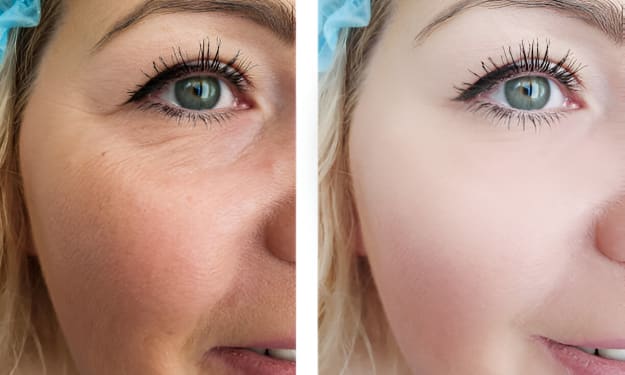
Many people want to refresh their appearance without surgery. You might feel your skin has lost its youthful firmness or glow. The idea of a complex surgical facelift can be daunting. What if you could use your body's own power to repair your skin? This is the central idea behind the PRP Facelift. This procedure is a natural, non-surgical treatment that uses platelet-rich plasma (PRP) from your own blood to rejuvenate your face. At R3 Stem Cell Mexico, we specialize in this innovative approach, helping patients achieve genuine, visible results.
By Sanjoy debnath6 months ago in Lifehack
Why Your Gut Health Affects Your Weight Loss Results
You've been eating right and exercising regularly, but the scale won't budge. Your gut health might be the missing piece of your weight loss puzzle. The trillions of bacteria living in your digestive system control hunger hormones, influence how your body stores fat, and determine whether you burn calories efficiently or hold onto stubborn weight.
By LaMarion Ziegler5 days ago in Lifehack


Comments
There are no comments for this story
Be the first to respond and start the conversation.