
How Much Is Elon Musk Worth in 2025? A Deep Dive into His Fortune and Impact
Elon Musk—a name that sparks curiosity, debate, and admiration

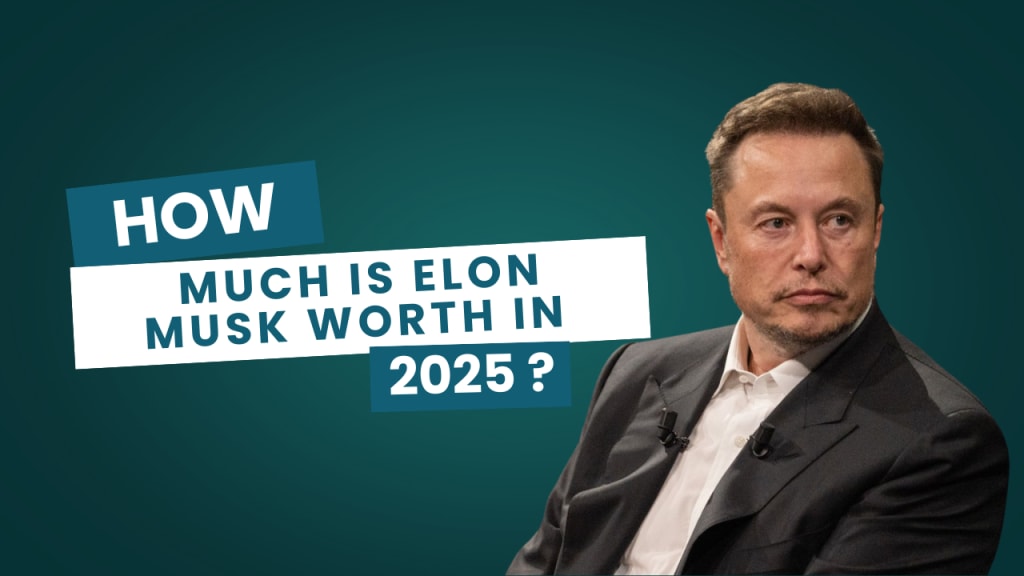
Elon Musk—a name that sparks curiosity, debate, and admiration. Whether you view him as a visionary genius or an unpredictable billionaire, one thing is undeniable: his financial status is among the most talked-about topics in the world. But exactly how much is Elon Musk worth in 2025? Let’s dive deep into the numbers, the story behind his fortune, and what it means for the world.
The Latest Estimate: Musk’s Net Worth in 2025
As of February 2025, Elon Musk’s estimated net worth is around $395 billion, according to recent reports from Bloomberg and Forbes. This places him at the top of the world’s richest individuals, often swapping positions with tech moguls like Jeff Bezos and Bernard Arnault. But Musk’s wealth isn’t static—it fluctuates dramatically based on Tesla’s stock performance, his various business ventures, and his own strategic financial decisions.
How Did Elon Musk Build His Fortune?
1. The PayPal Payoff
Musk’s journey to wealth started in the late 1990s with the creation of X.com, which later became PayPal. In 2002, eBay acquired PayPal for $1.5 billion, leaving Musk with a personal payout of $175.8 million. Instead of sitting back and enjoying early retirement, he invested nearly all of it into his next big ideas.
2. Tesla: The Billion-Dollar Bet
Although Musk didn’t found Tesla, he became its primary investor and driving force in 2004. Through years of innovation, risk-taking, and defying naysayers, Tesla became the world’s most valuable car company. In 2021, Tesla hit a $1 trillion market cap, and while the stock has had its ups and downs, it remains a massive part of Musk’s fortune, making up about 60% of his net worth in 2025.
3. SpaceX: The Sky (and Mars) Is the Limit
Musk’s other major financial powerhouse is SpaceX, which has transformed space travel. With lucrative government contracts, Starlink’s growing dominance in global internet coverage, and plans for interplanetary travel, SpaceX is valued at over $200 billion in 2025, significantly boosting Musk’s fortune.
4. Other Ventures Adding to the Wealth
While Tesla and SpaceX contribute the most to Musk’s net worth, he has numerous other ventures, including:
- Neuralink (brain-computer interfaces)
- The Boring Company (tunnel infrastructure)
- X (formerly Twitter), which he controversially acquired and transformed into an ‘everything app’
- AI investments, including a rumored AI startup to rival OpenAI
Why Does Musk’s Net Worth Fluctuate So Much?
Unlike traditional billionaires who hold cash and diversified assets, most of Musk’s wealth is tied to Tesla’s stock and private company valuations. Here’s why that matters:
Tesla’s Stock Volatility: When Tesla’s stock price rises or falls, Musk’s fortune shifts dramatically. A single tweet or earnings report can swing his wealth by billions.
Stock-Based Compensation: Musk doesn’t take a salary but earns massive stock bonuses when Tesla hits certain milestones. His 2018 compensation package, for example, was worth over $50 billion.
Spending and Selling Stock: Musk occasionally sells Tesla stock to fund ventures, like his $44 billion Twitter acquisition, impacting his net worth.
The Human Side of Musk’s Wealth
For someone with such astronomical wealth, Musk is surprisingly unconventional with his lifestyle:
- He famously sold all his mansions and lives in a modest prefabricated house near SpaceX.
- He has tweeted about being “cash poor” despite his fortune.
- He has donated millions, though critics argue he could give more.
While some admire his commitment to reinvesting in bold ideas, others question why a person with such vast wealth isn’t doing more to tackle global issues.
Final Thoughts: What Does Musk’s Wealth Mean for the World?
Elon Musk’s net worth isn’t just a number—it represents a massive influence over industries, economies, and even space exploration. His wealth allows him to fund projects that governments struggle with, like sending humans to Mars or revolutionizing transportation.
But beyond the numbers, his story is one of risk, innovation, and controversy. Whether you believe Musk is shaping the future or simply a billionaire playing with money, one thing is certain: his impact on the world will be felt for generations.
So, what do you think? Should billionaires like Musk be taxed more heavily? Or should they have the freedom to invest their wealth in grand visions for humanity? Let the debate begin.
About the Creator
John Arthor
seasoned researcher and AI specialist with a proven track record of success in natural language processing & machine learning. With a deep understanding of cutting-edge AI technologies.
Keep reading
More stories from John Arthor and writers in Lifehack and other communities.
Ariceum Therapeutics Receives FDA’s Orphan Drug Designation for Targeted Radionuclide Cancer Treatment
In a world where breakthroughs in healthcare often mean a new lease on life for patients, there’s something particularly inspiring about Ariceum Therapeutics’ recent milestone. The company has received the FDA’s Orphan Drug Designation for its targeted radionuclide cancer treatment—a development that brings hope to countless individuals fighting rare and hard-to-treat cancers.
By John Arthor11 months ago in Lifehack




Comments
There are no comments for this story
Be the first to respond and start the conversation.