

I. Introduction
Silk is a natural protein fiber obtained from the cocoons of silkworms. It is known for its softness, shine, and drapability, making it a popular choice for clothing and other textile items.
The history of silk production can be traced back to ancient China, where it was considered a luxury item and was highly valued for its beauty and strength. Silk production eventually spread to other parts of the world, including India, Persia, and Europe, through the Silk Road trade routes.
II. Silk Production
The silkworm, also known as the silk moth, is the larval stage of the silk moth. The process of silk production begins with the silkworm spinning a cocoon around itself using a silk protein liquid it secretes from glands in its head.
The cocoons are then harvested and the silk fibers are obtained by either killing the pupae inside the cocoon or by carefully unwinding the cocoon.
Different types of silk include Mulberry silk, produced by the silkworm Bombyx mori, which is the most widely cultivated and produced, Tussah silk, which is produced by wild silk moths, and Eri silk, which is a type of wild silk produced in India and China.
III. Uses of Silk
Silk is commonly used in clothing such as dresses, suits, and lingerie. It is also used in the fashion industry for items such as ties and scarves.
Silk is also used in home decor and furnishings, including bedding, curtains, and upholstery.
Medical and industrial uses of silk include surgical sutures, wound dressings, and airbags.
IV. Characteristics of Silk
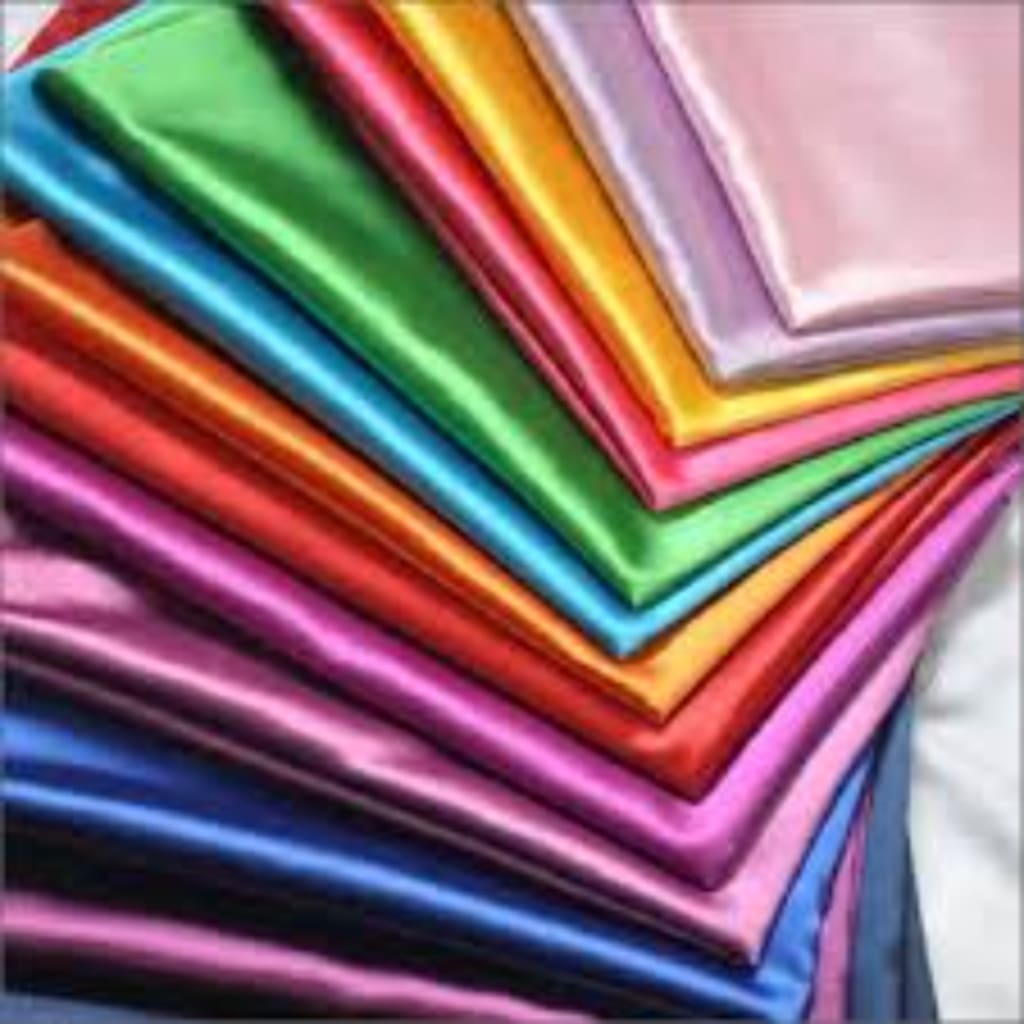
Silk has a smooth and soft texture, and is highly lustrous, which makes it suitable for clothing that drapes well.
It is a strong, durable, and hypoallergenic fabric.
To care for silk items, it is recommended to hand wash or dry clean them. Ironing should be done on a low heat setting and avoid exposing silk to direct sunlight.
V. Conclusion
Silk is a natural protein fiber with a long history of use in clothing and other textile items. It is known for its softness, shine, and drapability.
Different types of silk are produced by various species of silk moths, such as Mulberry silk, Tussah silk and Eri silk.
Silk is also used in various industries such as medical and industrial uses.
Silk requires special care and maintenance, such as hand washing or dry cleaning, ironing on low heat setting and avoiding direct sunlight.
Despite the challenges in the silk industry, it still remains popular and widely used in many sectors.
China is currently in the first position for silk production. Silk production has a long history in China, dating back to ancient times, and it is considered one of the country's traditional industries. The Chinese silk industry is known for its large-scale production, advanced technology, and high-quality products.
China produces a wide variety of silk products, including silk fabrics, silk garments, silk home textiles, and silk accessories. The country is the world's largest producer of mulberry silk, which is the most commonly used type of silk. Mulberry silk is produced by the silkworm Bombyx mori, which feeds on the leaves of the mulberry tree. The Chinese silk industry also produces other types of silk such as tussah silk, which is produced by wild silk moths, and eri silk, which is a type of wild silk produced in China.
The Chinese silk industry is concentrated in certain regions of the country, such as the Suzhou and Hangzhou regions of the Yangtze River Delta, the Sichuan and Yunnan provinces in the southwest of the country, and the Inner Mongolia Autonomous Region. These regions are known for their favorable climate and natural resources, which are ideal for silkworm breeding and silk production.
The Chinese government has implemented policies to support and promote the development of the silk industry. These policies include providing financial assistance and technical support to silk farmers and enterprises, and promoting the use of advanced technology and equipment in the industry. The Chinese silk industry also exports a large amount of silk products to other countries, providing a significant source of foreign income for the country.
In conclusion, China is currently in the first position for silk production. The country has a long history of silk production, and it is known for its large-scale production, advanced technology, and high-quality products. The Chinese silk industry is concentrated in certain regions of the country, and it is supported by the government policies and exports a large amount of silk products to other countries.
About the Creator
Keep reading
More stories from Giridharan and writers in Lifehack and other communities.
History of FOOD
I. Introduction A. Definition of food: Food is any substance consumed to provide nutritional support for the body. It can come in many forms, including plants, animals, and processed products. B. Importance of food in human life: Food is essential for human survival. It provides the energy and nutrients necessary for growth, maintenance, and repair of the body. Food also plays a role in social and cultural interactions, and can have a significant impact on overall health and well-being.
By Giridharan3 years ago in Lifehack


Comments
There are no comments for this story
Be the first to respond and start the conversation.