

I. Introduction
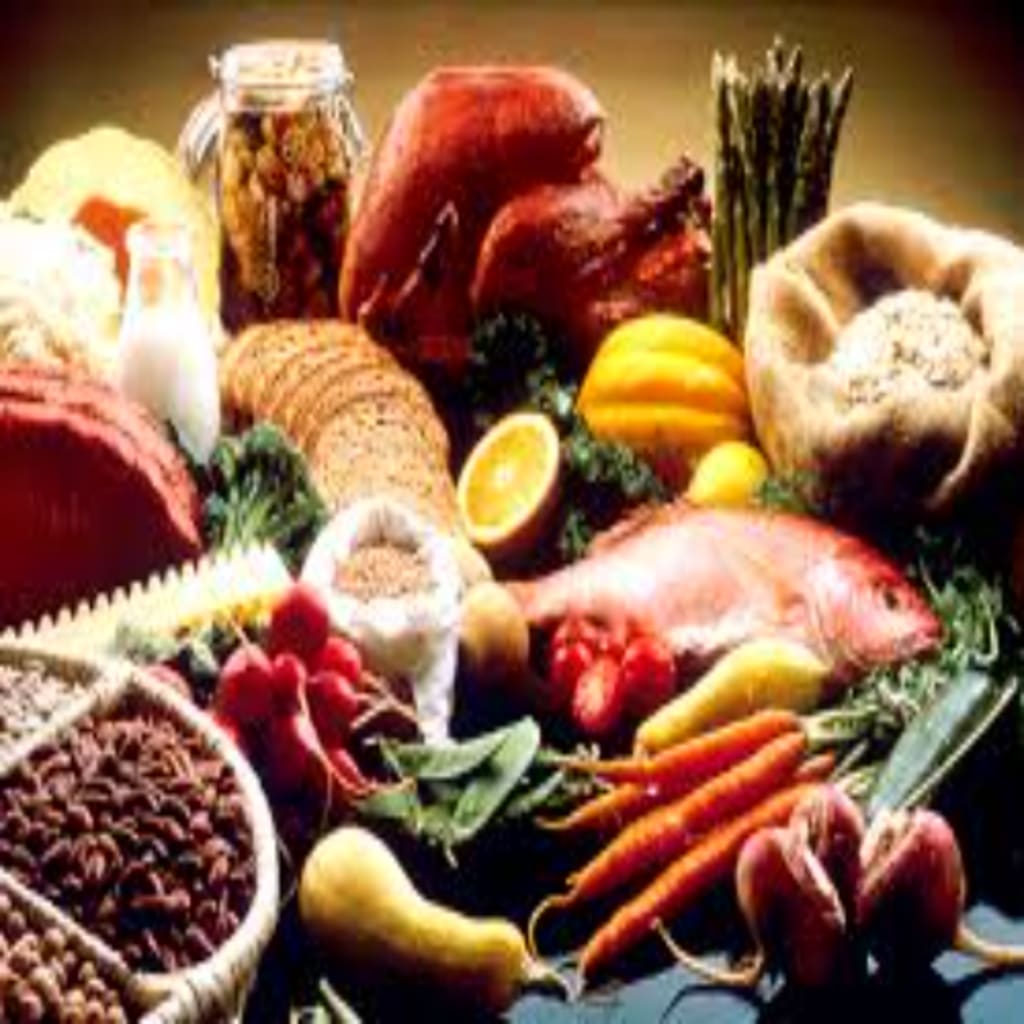
A. Definition of food: Food is any substance consumed to provide nutritional support for the body. It can come in many forms, including plants, animals, and processed products.
B. Importance of food in human life: Food is essential for human survival. It provides the energy and nutrients necessary for growth, maintenance, and repair of the body. Food also plays a role in social and cultural interactions, and can have a significant impact on overall health and well-being.
II. Types of food
A. Plant-based food: Plant-based food includes fruits, vegetables, and grains. Fruits are a great source of vitamins, minerals, and antioxidants. Vegetables are also rich in vitamins and minerals and are low in calories. Grains, such as rice, wheat, and oats, provide carbohydrates and other important nutrients.
B. Animal-based food: Animal-based food includes meat, dairy, and seafood. Meat is a good source of protein, iron, and other nutrients. Dairy products, such as milk and cheese, provide calcium and other essential nutrients. Seafood is a good source of omega-3 fatty acids and other nutrients.
III. Nutrients and Health
A. Macronutrients: Carbohydrates, proteins, and fats are known as macronutrients, which are essential for the body to function properly. Carbohydrates provide energy, while proteins are important for growth and repair of the body. Fats are also important for energy and help to absorb certain vitamins and minerals.
B. Micronutrients: Vitamins and minerals, known as micronutrients, are also essential for the body to function properly. They help to maintain healthy skin, bones, and teeth, among other things.
C. Role of food in maintaining good health: Eating a well-balanced diet that includes a variety of foods from all food groups can help to prevent chronic diseases such as heart disease, diabetes, and cancer.
IV. Food preparation and cooking
A. Methods of cooking: There are many methods of cooking, including grilling, baking, boiling, and more. Each method has its own advantages and can be used to create different types of dishes.
B. Food safety and sanitation: Proper food handling, storage, and preparation are essential to prevent foodborne illness.
C. Cultural and regional differences in food preparation: Different cultures and regions have their own unique styles of cooking and ingredients.
V. Food industry and trends
A. Agriculture and farming: The food industry begins with agriculture and farming, where crops and animals are raised for food production.
B. Food processing and packaging: After farming, food goes through processing and packaging before it reaches the consumer.
C. Food service and distribution: Food service and distribution includes restaurants and grocery stores, as well as food delivery and meal kit services.
D. Current food trends and movements: The organic and vegetarian movement have gained popularity in recent years, as people become more aware of the impact of their food choices on health and the environment.
VI. Conclusion
A. Recap of the importance of food in human life: Food is essential for human survival and plays a crucial role in overall health and well-being.
B. Final thoughts on the role of food in our society: Food is not only a basic necessity, but it also plays a significant role in our culture, economy, and environment. It is important to be conscious of the impact of our food choices on ourselves and the world around us.
The term "food" is a broad term that refers to any substance consumed to provide nutritional support for the body. It encompasses a wide range of products, including plants, animals, and processed products. The concept of food has been around for thousands of years, with evidence of early humans consuming a variety of foods including fruits, vegetables, and meat.
The word "food" originates from the Old English word "fōda," which means "sustenance." The word has been in use since before the 12th century and is used in many languages around the world to refer to what people eat.
Food is essential for human survival as it provides the energy and nutrients necessary for growth, maintenance, and repair of the body. Food also plays an important role in social and cultural interactions, and can have a significant impact on overall health and well-being.
Different cultures and regions have their own unique styles of cooking and ingredients. Food is not only a basic necessity, but it also plays a significant role in our culture, economy, and environment. It is important to be conscious of the impact of our food choices on ourselves and the world around us.
Nutrition science, which studies how different food components affect human health, has developed a lot in recent years. Now there are many different ways to classify food, such as macronutrients (carbohydrates, proteins, fats) and micronutrients (vitamins and minerals), plant-based and animal-based food, organic and non-organic food, and many more.
In conclusion, the term "food" refers to any substance consumed to provide nutritional support for the body. It encompasses a wide range of products, including plants, animals, and processed products, and has been an essential part of human life for thousands of years. The concept of food has evolved over time and continues to be a subject of research and study in many fields, including nutrition, agriculture, and culinary arts.
About the Creator
Keep reading
More stories from Giridharan and writers in Lifehack and other communities.
History of House
I. Introduction A. Definition of a house: A house is a building that is designed and built for people to live in. It typically includes living spaces, sleeping spaces, and cooking and sanitation facilities. Houses can range in size and design, from small, simple structures to large, complex buildings. B. Purpose of a house: A house serves as a place for individuals or families to call their own, providing them with a sense of privacy and security. It also serves as a space for individuals to rest and relax, to entertain guests, and to raise a family.
By Giridharan3 years ago in Lifehack
5 Best AI Tools for Women
A modern woman's life is full of tasks. We need to balance work, home, family, friends, and personal care. But with only 24 hours in a day, we often struggle to find time for our favorite activities because we need to plan what to cook for dinner or make a shopping list for the week. It can all feel overwhelming, but the load can be made lighter with the help of AI, as many of our daily tasks can be delegated to various AI assistants. What apps can help you spend more time on yourself? Read on to find out.
By Lesya Chumak3 days ago in Lifehack
The BAFTA Awards
By now, in a stunning departure from recent years, most of the world is aware of what happened at the BAFTA film awards. Social Media Headlines will tell you the bare bones: that John Davidson, a Tourette's Syndrome advocate, shouted a racial slur at two Actors of Colour, Michael B Jordan and Delroy Lindo.
By Natasja Rose5 days ago in Psyche


Comments
There are no comments for this story
Be the first to respond and start the conversation.