
High Protein Diet for Weight Loss: Does it Really Work?
we'll explore the science behind high protein diets and their effectiveness for weight loss.
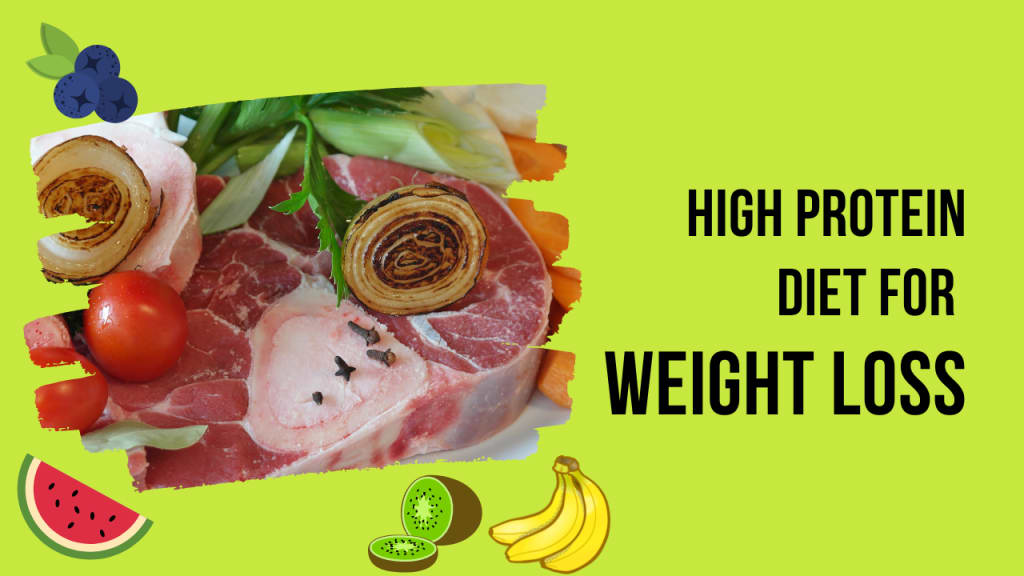
In the quest for losing weight, people often try different types of diets, supplements, and workout plans. One popular approach that has gained a lot of attention in recent years is a high protein diet for weight loss. According to proponents of this approach, increasing the intake of protein in the diet can help to boost metabolism, reduce appetite, and promote fat loss. But is there any truth to these claims? In this article, we'll explore the science behind high protein diets and their effectiveness for weight loss.
What is a High Protein Diet?
A high protein diet is a dietary approach that emphasizes the consumption of protein-rich foods such as meat, fish, eggs, dairy, and legumes while limiting the intake of carbohydrates and fats. The recommended daily intake of protein varies depending on factors such as age, gender, and activity level, but generally, it ranges from 0.8 to 1.6 grams of protein per kilogram of body weight.
Proponents of high protein diets argue that increasing protein intake can have several benefits for weight loss. First, protein is known to have a high thermic effect, which means that it requires more energy to digest and absorb than carbohydrates or fats. This, in turn, can increase metabolism and promote fat burning.
Second, protein is known to be more satiating than carbohydrates or fats, meaning that it can help to reduce appetite and food cravings. This can lead to a reduction in calorie intake and ultimately promote weight loss.
Third, high protein diets are often associated with the preservation of muscle mass, which is important for maintaining a healthy metabolism and preventing weight regain.
Does High Protein Diet Really Work for Weight Loss?
Now that we've established what a high protein diet is and the potential benefits, let's look at the evidence supporting its effectiveness for weight loss.
Several studies have investigated the effects of high protein diets on weight loss and body composition, and the results are generally promising. For example, a meta-analysis of 24 randomized controlled trials found that high protein diets were associated with significantly greater weight loss compared to low protein diets, with an average weight loss of 1.8 kg (4 lbs) over a period of 12 weeks.
Similarly, a systematic review of 38 studies found that high protein diets were associated with a greater reduction in body weight and fat mass compared to low protein diets. The authors of the review concluded that increasing protein intake can be an effective strategy for promoting weight loss and improving body composition.
Another study compared the effects of a high protein diet (30% of total energy intake from protein) to a standard protein diet (15% of total energy intake from protein) on weight loss in overweight and obese adults. The study found that the high protein group lost significantly more weight and body fat compared to the standard protein group.
It's worth noting that not all studies have found significant benefits of high protein diets for weight loss. For example, a study published in the New England Journal of Medicine found that a low-fat, high-carbohydrate diet was equally effective for weight loss compared to a high protein, low-carbohydrate diet over a period of 12 months. However, the study did find that the high protein diet was associated with greater improvements in blood lipids and insulin sensitivity.
Overall, the evidence suggests that high protein diets can be an effective strategy for promoting weight loss and improving body composition. However, it's important to note that the magnitude of weight loss may not be dramatic and may depend on factors such as the duration of the diet, calorie intake, and individual factors such as genetics and metabolic rate.
Potential Risks and Side Effects of High Protein Diets:
While high protein diets are generally safe for healthy individuals, there are some potential risks and side effects to be aware of. One potential risk is that high protein diets can put stress on the kidneys, especially in people with pre-existing kidney problems. This is because the kidneys are responsible for filtering out waste products from protein metabolism, and an excessive intake of protein can increase the workload of the kidneys.
Another potential risk is that high protein diets may lead to nutrient deficiencies if they are not well-balanced. For example, if someone is consuming large amounts of animal protein but not enough fruits, vegetables, and whole grains, they may not be getting enough fiber, vitamins, and minerals.
In addition, some people may experience side effects such as constipation, bad breath, and nausea when they first start a high protein diet. This is because the body may not be used to digesting and metabolizing high amounts of protein.
Finally, it's important to note that not all sources of protein are created equal. Some protein sources, such as red meat and processed meats, have been linked to an increased risk of chronic diseases such as heart disease, type 2 diabetes, and certain types of cancer. Therefore, it's important to choose lean protein sources such as poultry, fish, beans, and nuts, and to limit the intake of processed and red meats.
Tips for Incorporating High Protein Foods into Your Diet:
If you're interested in trying a high protein diet for weight loss, here are some tips for incorporating high protein foods into your diet:
- Start with a balanced meal plan that includes a variety of protein sources such as lean meats, fish, eggs, dairy, legumes, and nuts.
- Aim for at least 20-30 grams of protein per meal, which can help to promote satiety and reduce food cravings.
- Choose lean protein sources such as skinless chicken breast, fish, and legumes, and limit the intake of processed and red meats.
- Incorporate high protein snacks such as Greek yogurt, hard-boiled eggs, and nuts into your daily routine to help you stay satisfied between meals.
- Make sure to include plenty of fruits, vegetables, and whole grains in your diet to ensure you're getting a well-balanced mix of nutrients.
- Talk to your doctor or a registered dietitian if you have any concerns or questions about starting a high protein diet.
Conclusion:
In conclusion, a high protein diet can be an effective strategy for promoting weight loss and improving body composition. The evidence suggests that increasing protein intake can help to boost metabolism, reduce appetite, and promote fat loss. However, it's important to note that high protein diets may not be suitable for everyone, and there are some potential risks and side effects to be aware of.
If you're interested in trying a high protein diet, it's important to start with a balanced meal plan that includes a variety of protein sources and to consult with a healthcare professional if you have any concerns or questions. By incorporating high protein foods into your diet, you may be able to achieve your weight loss goals and improve your overall health and well-being.
About the Creator
Keep reading
More stories from Ameenullah and writers in Lifehack and other communities.
Low-carb diet for weight loss
Low-carb diets have gained immense popularity in recent times, especially for weight loss. With the increasing prevalence of obesity, people are looking for sustainable and effective ways to lose weight. Low-carb diets have been found to be an effective solution for weight loss, which has resulted in a surge of interest in this dietary approach. In this article, we will explore the low-carb diet for weight loss in detail.
By Ameenullah3 years ago in Lifehack
When Architecture Speaks: The Billionaire Home as a Mirror of Self
In the realm of the ultra-wealthy, owning a home is rarely about square footage or resale value. It’s about creating a physical embodiment of the self. For billionaires, architecture becomes a language—each material, structure, and spatial rhythm part of a larger, intentional narrative. These homes are not simply bought or designed; they are composed to reflect personal values, intellectual pursuits, and emotional states. They go beyond luxury to articulate identity in form.
By Inspirata Group4 days ago in Lifehack
The steps to losing a child
Step One: Lose a child. Not what anyone wants to happen and nothing you can do to change it, but you can go through steps to becoming happy again. You can go through steps to loving again. You can go through steps to become a new you because after losing a child you will never be the same person you once were.
By Tabitha Hinkley6 days ago in Fiction


Comments
There are no comments for this story
Be the first to respond and start the conversation.