
Herbal Tea: Nature’s Soothing and Flavorful Brew
Introduction

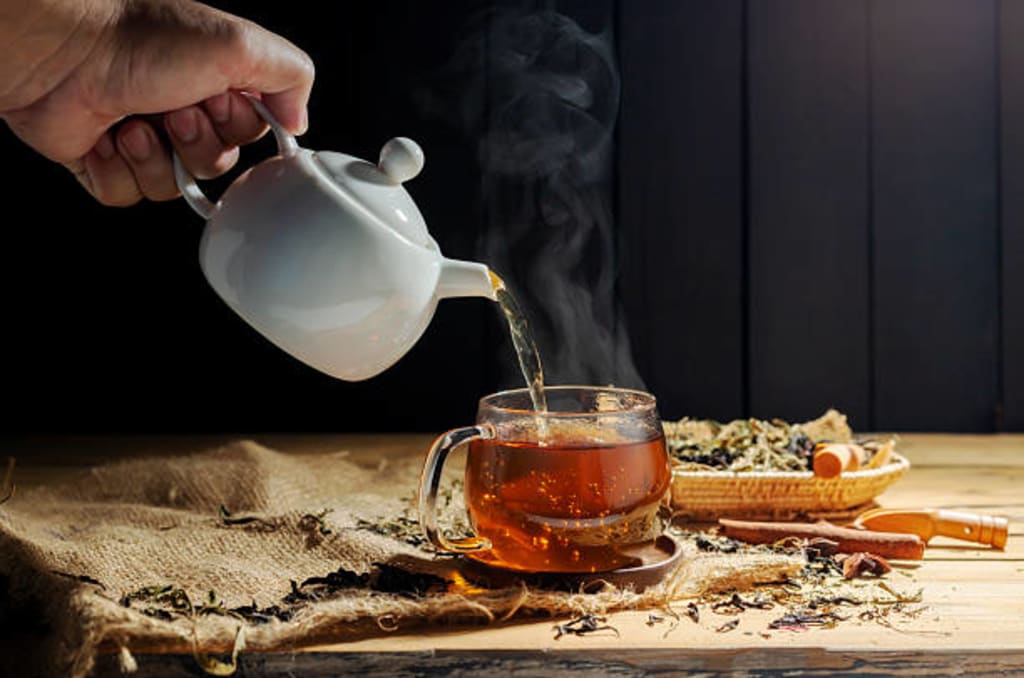
Herbal tea, often known as tisane, is a cherished caffeine-free infusion crafted from herbs, flowers, roots, and spices, offering a symphony of flavors and wellness benefits. Unlike true teas from the Camellia sinensis plant, herbal tea provides a gentle, versatile experience, from chamomile’s calming floral notes to ginger’s zesty warmth. These infusions are perfect for relaxation, digestion, or immune support, making them a staple in wellness routines across cultures. In this blog, we’ll explore the essence of herbal tea, its diverse varieties, health benefits, brewing techniques, and tips for selecting premium blends, inviting you to embrace nature’s soothing elixirs for a moment of tranquility and nourishment.
What Is Herbal Tea?
Herbal tea is an infusion made from dried herbs, flowers, roots, seeds, or spices, distinct from true teas like black, green, or oolong. These blends are crafted to deliver both flavor and therapeutic effects, leveraging natural compounds such as antioxidants, essential oils, and anti-inflammatory agents. Popular ingredients include chamomile for relaxation, peppermint for digestion, and hibiscus for a tart, vitamin-rich boost. Being caffeine-free, herbal teas are suitable for all ages and times of day, offering gentle remedies for stress, sleep, or digestive health. Available as loose-leaf or tea bags, herbal teas provide an accessible, flavorful way to enhance wellness and savor nature’s diversity.
Origins and Cultural Significance
Herbal tea has a rich history rooted in ancient healing traditions across the globe. In ancient Egypt, chamomile was used for its calming properties, while Chinese herbalists brewed ginseng and licorice for vitality and digestion. European apothecaries relied on peppermint and nettle for their medicinal qualities, and Indigenous cultures crafted tisanes from local plants like rooibos in South Africa or yerba mate in South America. These infusions were often shared in communal rituals, fostering connection and well-being. Today, herbal tea blends this ancient wisdom with modern wellness trends, offering a universal ritual that promotes relaxation, health, and cultural connection in every soothing sip.
Why Choose Herbal Tea?
Herbal tea stands out for its purity, versatility, and health-focused properties. Organic herbal teas, grown without synthetic pesticides or fertilizers, ensure a clean, safe product while supporting sustainable farming practices. The natural ingredients retain potent bioactive compounds, delivering both flavor and therapeutic benefits. Loose-leaf herbal tea allows herbs to release their full aroma and efficacy, often outperforming tea bags with crushed fragments. Herbal Tea Collection by Backyard Brew, featuring organic chamomile, peppermint, and hibiscus blends, offers authentic, potent flavors for a nurturing ritual. Choosing herbal tea reflects a commitment to wellness, sustainability, and the art of infusion, transforming each cup into a moment of calm and vitality.
Health Benefits of Herbal Tea
Herbal tea is renowned for its gentle, science-backed health benefits, tailored to specific wellness needs:
- Stress Relief: Chamomile and lemon balm calm the nervous system, reducing anxiety and promoting relaxation.
- Digestive Support: Ginger and peppermint ease bloating, nausea, and indigestion, supporting gut health.
- Immune Boost: Hibiscus and elderberry, rich in vitamin C and antioxidants, strengthen immunity against infections.
- Anti-Inflammatory Effects: Turmeric or licorice root teas reduce inflammation, soothing sore throats or joint discomfort.
- Sleep Improvement: Valerian or chamomile teas promote restful sleep, ideal for managing insomnia.
As caffeine-free options, herbal teas are safe for daily consumption, though some herbs may interact with medications or be unsuitable during pregnancy, so consulting a healthcare provider is advised for specific conditions.
Choosing the Right Herbal Tea
Selecting high-quality herbal tea requires attention to several key factors:
- Sourcing and Quality: Opt for organic, ethically sourced teas with clear ingredient lists and certifications like USDA Organic to ensure purity.
- Freshness: Choose retailers that provide harvest or packing dates, as herbs lose potency over time.
- Variety: Look for a range of single-herb teas and blends to suit different health needs or flavor preferences.
- Packaging: Airtight, opaque containers protect herbs from light, air, and moisture, preserving quality during storage.
- Retailer Reputation: Prioritize trusted shops with responsive customer support, transparent sourcing, and educational resources like brewing guides.
Sampler sets or small quantities allow you to explore different herbal teas, ensuring you find blends that align with your taste and wellness goals.
Brewing the Perfect Herbal Tea
Brewing herbal tea maximizes its flavor and therapeutic potency. Follow these steps:
- Water Temperature: Use boiling water (200–212°F or 93–100°C) to extract essential oils and active compounds effectively.
- Tea-to-Water Ratio: Use 1–2 teaspoons of loose-leaf tea or one tea bag per 8 ounces of water for a balanced brew.
- Steeping Time: Steep for 5–10 minutes to release medicinal properties. Herbal teas rarely become bitter, offering flexibility in steeping time.
- Equipment: A teapot, infuser, or French press allows herbs to expand, enhancing efficacy and taste.
For a refreshing twist, cold brew by steeping herbs in cold water for 6–8 hours. Store teas in an airtight, opaque container away from light and moisture to preserve potency. Add honey or lemon to enhance flavor or benefits, though many herbal teas shine when enjoyed pure.
Pairing Herbal Tea with Food
Herbal tea’s diverse flavors complement a variety of foods, enhancing both taste and wellness:
- Breakfast: Ginger tea pairs with oatmeal or yogurt, aiding morning digestion.
- Desserts: Chamomile matches shortbread or fruit tarts, echoing its floral sweetness.
- Savory Dishes: Peppermint tea balances spicy Asian or Indian cuisine, soothing the stomach.
- Snacks: Hibiscus tea harmonizes with nuts or dried fruit, complementing its tart profile.
For a tea tasting, serve herbal teas with small bites like scones, cheese, or fresh fruit, creating a nurturing experience that highlights their therapeutic qualities.
Creative Uses for Herbal Tea
Herbal tea extends beyond sipping, offering creative ways to support health and lifestyle:
- Cold Relief: Brew peppermint tea, inhale the steam to clear sinuses, then drink for hydration and relief.
- Wellness Ritual: Sip chamomile before bed for relaxation or ginger for a morning boost.
- Culinary Twist: Use hibiscus tea in smoothies or turmeric tea in soups for added antioxidants and flavor.
- Skincare: Apply cooled chamomile tea as a toner to soothe irritated skin or reduce puffiness.
- Mindfulness: Pair tea with meditation or journaling, sipping slowly to foster calm and presence.
These applications make herbal tea a versatile tool, weaving flavor, health, and mindfulness into daily life.
Conclusion
Herbal tea is a celebration of nature’s diversity, offering caffeine-free blends that nurture body and mind. From chamomile’s soothing embrace to hibiscus’s vibrant tang, these infusions provide a gentle, flavorful path to wellness rooted in ancient traditions. By choosing high-quality, organic blends and brewing with care, you can transform your tea ritual into a moment of tranquility and health. Whether addressing stress, digestion, or immunity, herbal tea delivers a natural remedy with every sip. Embrace the art of herbal tea and make these blends a cherished part of your wellness journey, savoring nature’s essence in every soothing cup.
FAQs
1. What makes herbal tea different from true tea?
Herbal tea is made from herbs, flowers, roots, or spices, is caffeine-free, and focuses on therapeutic benefits, unlike true teas from Camellia sinensis.
2. Are herbal teas safe for daily consumption?
Most are safe for daily use, but moderation is advised for potent herbs like ginger. Consult a doctor for specific conditions or pregnancy concerns.
3. How long do herbal teas stay potent?
Stored in an airtight, opaque container in a cool, dark place, they remain potent for up to a year, best within 6 months.
4. Why choose loose-leaf herbal tea over tea bags?
Loose-leaf herbal tea offers richer flavor, more potent compounds, and better quality, as tea bags often contain crushed fragments.
5. Why choose Backyard Brew for herbal tea?
Backyard Brew offers organic, ethically sourced herbal teas with potent ingredients, ensuring high-quality, effective blends for your health needs.
About the Creator
Backyard Brew
Since 2016, Backyard Brew has been crafting unique coffee and tea blends that bring comfort and joy to every cup. Experience our local touch in every sip.
Keep reading
More stories from Backyard Brew and writers in Lifehack and other communities.
White Tea Leaves: Savoring Nature’s Purest Brew
Introduction White tea, revered for its delicate flavor and subtle elegance, is a gem in the world of tea. Crafted from the tender white tea leaves of the Camellia sinensis plant, this minimally processed tea offers a light, floral, and slightly sweet profile that captivates those seeking a refined, calming experience. Known for its low caffeine content and high antioxidant levels, white tea is perfect for moments of mindfulness and tranquility. From the silvery buds of Silver Needle to the nuanced leaves of White Peony, white tea leaves embody purity and artistry. In this blog, we’ll explore their origins, health benefits, brewing techniques, and tips for selecting the best varieties, inviting you to savor a tea that whispers sophistication.
By Backyard Brew8 months ago in Lifehack
Are LED downlights better than halogen for kitchens
When planning a kitchen, bathroom, or full home renovation in Sydney, lighting is one of those details that quietly decides whether the space feels amazing—or just “okay.” Cabinets can be beautiful, stone benchtops can look like art, but if the lighting is wrong, the whole kitchen suddenly feels flat.
By John Zhang4 days ago in Lifehack
Savannah: The Quiet Rhythm of a City That Remembers
In the southeastern corner of the United States, along the slow currents of the Savannah River, stands a city that feels less like a destination and more like a living memory. Savannah moves at a pace that seems deliberately out of step with the modern world, and that is precisely what makes it unforgettable.
By House Doctor7 days ago in Lifehack
A More Human Vocal
When we launched Vocal nearly a decade ago, the world was a very different place. LLMs did not exist, and stories were created one at a time by people sitting down to write, revise, and share something personal. Many of our assumptions about publishing, trust, and participation were built for a world where effort and output were inseparable.
By Justin @ Vocal7 days ago in Resources



Comments
There are no comments for this story
Be the first to respond and start the conversation.