
Helping Participants Transition: What to Know About NDIS Hospital Discharge
Support that makes recovery smoother, safer and more personal after a hospital stay

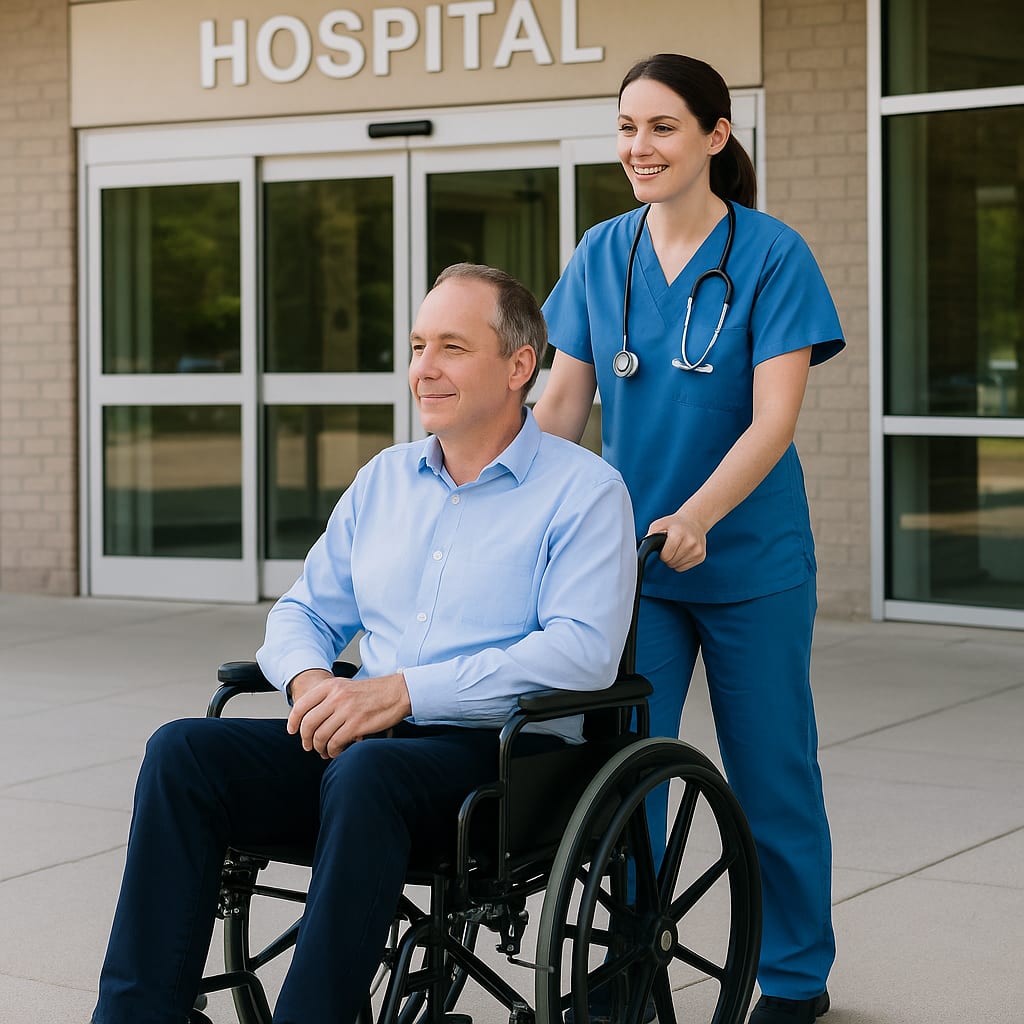
Leaving the hospital can be a relief, but for many people living with disability, the discharge process isn’t as simple as calling a cab and heading home. A lot goes into ensuring a safe and comfortable transition, and that’s where the NDIS can help. With the right planning and support, NDIS hospital discharge can mean a smoother and more confident return to daily life.
In this article, we’ll break down how the process works, why it matters, and how participants, families and providers can work together to make it successful.
Why Hospital Discharge Support Matters
Coming home after a hospital stay isn’t just about returning to familiar surroundings. It often marks the beginning of a new stage that can involve rehabilitation, adjusting routines, and ongoing care. For people with disability, especially those with complex needs, this transition can come with serious challenges, including:
- Relearning everyday tasks
- Needing mobility equipment
- Managing medications or therapy schedules
- Requiring personal care or home modifications
Without the right support in place, there is a higher risk of readmission to hospital, injury, or a decline in wellbeing. This is why the NDIS includes funding and services to help people safely transition out of hospital and into a living arrangement that suits their needs. This might mean going home, moving into supported accommodation, or accessing short-term transitional housing.
What Is NDIS Hospital Discharge?
NDIS hospital discharge refers to the process of planning and supporting a participant as they leave hospital care. It’s designed to reduce unnecessary delays and make sure the person has the right support in place for their recovery and daily life.
This might include short-term housing, support workers, allied health services, home modifications, or assistive technology. Each discharge plan is built around the participant’s goals, medical needs and personal circumstances.
Hospitals usually work with the NDIS, support coordinators and service providers to organise the right support before the person leaves hospital. The participant is involved in these conversations and should have a say in the decisions being made.
Common Supports Included in NDIS Hospital Discharge
Every situation is different, but some of the most commonly funded supports through this process include:
Short Term Accommodation (STA): Temporary housing for participants who need a safe place to stay while waiting for home modifications or long-term accommodation.
Support Coordination: Help connecting with providers, managing funding, and understanding NDIS plans and options.
Home Modifications: Changes like ramps, grab rails or bathroom adjustments to support safety and independence.
Allied Health Services: Ongoing therapy like physio, OT or speech therapy to continue recovery at home.
Assistive Technology: Equipment such as hospital beds, hoists or mobility aids that help with daily living.
Personal Care: Assistance with showering, dressing, meals and medications at home.
These supports are tailored to each person and their situation. The aim is to help the person live safely and independently while supporting their recovery.
Early Planning Is Key
The earlier discharge planning begins, the smoother the transition will be. Ideally, this process should start before the hospital stay ends. Early planning allows time to:
- Arrange assessments
- Apply for urgent funding
- Set up housing or equipment
- Engage support providers
Discharge planning is a joint effort between the hospital team, the participant, their family or advocate, and their NDIS support network. Everyone should be clear on the plan so that when the discharge date arrives, everything is ready.
Common Barriers to Timely Discharge
One of the most common issues in NDIS hospital discharge is delay. This can happen when a participant’s plan needs to be updated, or funding approval is taking too long. In some cases, people stay in hospital longer than necessary because suitable support isn’t ready.
Experienced support coordinators and providers can help speed up the process. They know how to work with the NDIS, how to request urgent reviews, and how to make sure participants get what they need without unnecessary delays.
Support Across Melbourne
Melbourne is home to a wide range of NDIS providers who offer hospital discharge support. Participants and families can find local services that understand the process and are ready to assist with housing, therapy, personal care and more.
Whether someone is dealing with a new diagnosis, recovering from surgery or managing an ongoing condition, the goal is to get them home or into suitable accommodation safely and confidently.
Final Thoughts
NDIS hospital discharge is not just about getting out of hospital. It’s about making sure the next step is safe, supported and personalised. With proper planning and the right team in place, it can be the start of a positive new chapter.
If you or someone you care for is preparing for discharge, now is the time to get informed and get support. Talk to an NDIS provider in your area who understands the process and can help you navigate it with care and clarity.
About the Creator
Paul Sera
Owner of Next Gen Digital Agency in Melbourne, Australia.
Entrepreneurship Courses - paulsera.com
Restaurant Near Me - restaurantnearme.com.au
Car Events & merchandise - radiallife.com.au
Smartphones Are Powerful Enough
For more than a decade, smartphones have followed a predictable trajectory: higher power, sharper images, and speedier internet. On paper, today’s technologies are substantially superior to those from even five years ago. Yet surveys, user forums, and daily encounters suggest a different image. Satisfaction hasn’t grown at the same pace as capacity.
By abualyaanart3 days ago in Lifehack


Comments
There are no comments for this story
Be the first to respond and start the conversation.