
Help to reduce high blood pressure lowers dementia risk, study finds
New Study Links Blood Pressure to Dementia Prevention

A large-scale study has found that controlling high blood pressure can significantly lower the risk of cognitive decline and dementia in later life, a significant advancement in the fight against dementia. The findings highlight the critical link between cardiovascular health and brain function, suggesting that proactive blood pressure management may be one of the most effective ways to prevent dementia.
The new study included nearly 34,000 participants aged 40 and older from 326 rural Chinese villages and was published in Nature Medicine. The participants were divided into two groups: one received intensive blood pressure management including free or affordable antihypertensive medications, personal health coaching, and lifestyle modification support; the other received standard, routine care.
Over a follow-up period of four years, researchers observed that those in the intensive care group were 15% less likely to develop dementia and 16% less likely to suffer from cognitive impairment that did not progress to dementia. These numbers are particularly striking considering the size of the study and the relatively short timeframe in which these cognitive benefits were observed.
More and more evidence This isn’t the first time researchers have found a connection between high blood pressure and dementia risk. In the past, the SPRINT MIND trial, which was conducted in the United States, demonstrated that strict control of blood pressure could cut the risk of mild cognitive impairment by as much as 15%. In the meantime, a significant meta-analysis of 17 observational studies revealed that individuals with untreated hypertension were 42% more likely to develop dementia than those with normal blood pressure. Intriguingly, there was no statistically significant difference in dementia risk between healthy people and those taking effective high blood pressure medication. These findings suggest that high blood pressure, especially in middle age, may cause damage to the brain's small blood vessels, reducing the flow of oxygen and nutrients. This damage may eventually result in dementia, memory problems, and atrophy of the brain. More Than Just a Heart Issue
High blood pressure has traditionally been mostly linked to heart disease and stroke. Nonetheless, as Dr. "We now know that what's good for the heart is also good for the brain," says Ruth Peters of the George Institute for Global Health. Management of blood pressure should be viewed as a cognitive as well as a cardiovascular priority. The mechanism behind this is becoming clearer. Elevated blood pressure increases the risk of small vessel disease, microbleeds, and silent strokes—all of which contribute to the development of cognitive disorders. High blood pressure may also disrupt the blood-brain barrier, allowing harmful substances to affect brain cells and further accelerate neurodegeneration.
Practical Strategies for Prevention
The good news is that high blood pressure is both preventable and treatable. A glimpse into the potential form of scalable, community-based solutions is provided by the study's intervention model. When used consistently, even simple strategies can have a significant impact. Blood pressure reduction and cognitive health protection can be achieved in a few easy steps: - Perform moderate aerobic exercise for 30 minutes on most days of the week can significantly lower blood pressure and improve overall health. - Consume a heart-healthy diet: The DASH (Dietary Approaches to Stop Hypertension) diet, which is high in whole grains, lean proteins, fruits, and vegetables, has been shown to lower blood pressure. - "Limit salt and alcohol": Reducing sodium intake and avoiding drinking too much alcohol are well-established practices. - Manage stress: Mindfulness, yoga, deep breathing, and other stress-reduction techniques have been shown to support heart and brain health.
If lifestyle changes aren't enough, antihypertensive medications are effective and widely available. Take prescribed medications Implications for the World Dementia affects over 55 million people worldwide, and that number is expected to triple by 2050. Since there is no known cure, prevention has become an essential focus. This new research offers hope that large-scale, low-cost interventions—particularly in under-resourced communities—can significantly alter the trajectory of brain health globally.
This study's findings hold particular promise for public health policy. Governments and healthcare providers could significantly reduce the prevalence of dementia by incorporating blood pressure monitoring and management into primary care and community health systems, particularly for older populations. Final Thoughts,
One thing is clear as our knowledge of the connection between high blood pressure and cognitive decline grows: addressing high blood pressure early and effectively may be one of the best tools we have for maintaining brain function into old age. This research serves as a reminder that everyday health choices—what we eat, how we move, how we manage stress—can have profound effects on our future cognitive wellbeing.
In the quest to combat dementia, the heart and the brain may be more connected than we ever realized.
About the Creator
Shariare Nazim
I am a professional writer.
Keep reading
More stories from Shariare Nazim and writers in Lifehack and other communities.
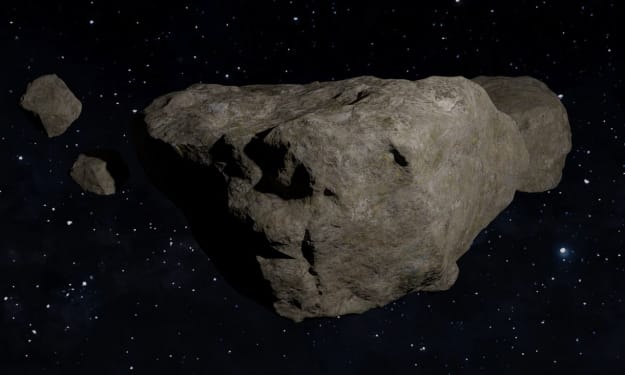
During a flyby at 30,000 mph, NASA's Lucy spacecraft captures images of a peanut-shaped asteroid
In its groundbreaking endeavor to investigate the earliest components of the solar system, NASA's Lucy spacecraft has achieved yet another milestone. During a high-speed flyby on April 20, 2025, Lucy passed within 600 miles (about 960 kilometers) of the asteroid Donaldjohanson, capturing the first close-up images of the uniquely shaped celestial body. Lucy successfully captured detailed images of the asteroid that resembles a giant space peanut while traveling at a blistering speed of 30,000 miles per hour (48,000 kilometers per hour) adding a fascinating chapter to the mission's journey. A Surprising Dimension and Form Scientists have been blown away by the early images that Lucy sent back. Donaldjohanson’s shape is long and irregular—its resemblance to a peanut or a lumpy bowling pin is striking. Estimated to be about 5 miles (8 kilometers) long and roughly 2 miles (3.5 kilometers) wide, the asteroid is larger than previously expected. Its two-lobed shape suggests that it could be a "contact binary," which means that it was formed when two smaller asteroids slowly collided and stuck together instead of breaking apart. The asteroid's origin and the violent yet creative processes of our early solar system are being questioned further by this discovery. The spacecraft was able to collect valuable data despite the fact that Lucy only had a brief window to take pictures because of its incredible speed. NASA scientists are currently processing additional images and measurements that will allow them to build a detailed 3D model of Donaldjohanson’s surface and structure in the coming weeks.
By Shariare Nazim9 months ago in Education
10 Questions to Ask a Painter Before You Sign a Contract
Hiring a painter may seem straightforward, but many Australian homeowners and business owners only realise the risks after they sign a contract. Poor preparation, vague quotes, and unclear responsibilities often lead to budget overruns, delays, or substandard results.
By Anshul Vijay4 days ago in Lifehack



Comments
There are no comments for this story
Be the first to respond and start the conversation.