
Healthy Pregnancy Diet: What to Eat for Mom & Baby's Health
Nutrient-Rich Foods for a Strong and Healthy Pregnancy

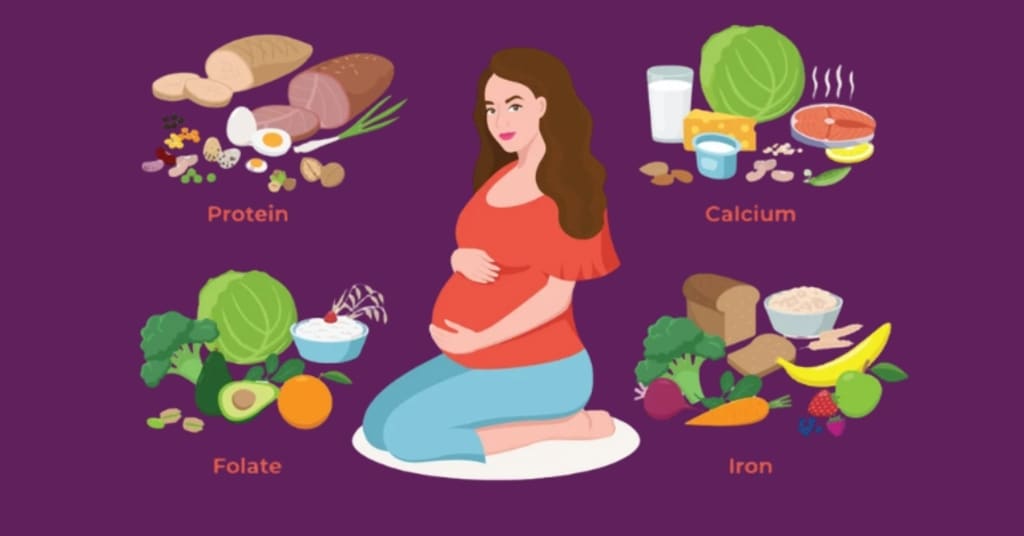
Pregnancy is a time of incredible change, and maintaining a healthy diet is one of the most important things you can do for yourself and your baby. Eating nutrient-rich foods can ensure proper growth and development for your baby while supporting your own health. This comprehensive guide will cover what to eat during pregnancy, foods to avoid, and tips for managing your nutritional intake.
For those who have conceived through assisted reproductive techniques like IVF, ensuring proper nutrition is even more critical. If you are looking for the best medical care, the Best IVF Center in Surat can provide comprehensive support for a healthy pregnancy journey.
Why Nutrition Matters During Pregnancy
A well-balanced pregnancy diet provides essential vitamins, minerals, and nutrients that support the baby's development and keep the mother strong and healthy. It can also help reduce the risk of complications such as low birth weight, gestational diabetes, and preeclampsia.
Key Nutrients for Pregnancy
Here are some of the most important nutrients to focus on during pregnancy:
Folic Acid: Crucial for preventing neural tube defects. Found in leafy greens, fortified cereals, and legumes.
Iron: Supports increased blood volume and prevents anemia. Good sources include lean meats, spinach, and fortified grains.
Calcium: Essential for the baby’s bone and teeth development. Dairy products, leafy greens, and fortified plant-based milk are excellent choices.
Protein: Supports growth and development. Eggs, lean meats, legumes, and nuts are recommended.
Omega-3 Fatty Acids: Important for brain development. Found in fatty fish, flaxseeds, and walnuts.
Vitamin D: Aids calcium absorption. Sun exposure, fortified foods, and supplements are good sources.
Fiber: Prevents constipation and promotes digestive health. Whole grains, fruits, and vegetables are rich in fiber.
Foods to Include in a Healthy Pregnancy Diet
Fruits and Vegetables: Aim for at least five servings per day. Choose colorful options to ensure a variety of nutrients.
Whole Grains: Provide fiber, iron, and B vitamins. Opt for whole wheat bread, brown rice, and oatmeal.
Lean Proteins: Include sources like chicken, turkey, fish, tofu, and beans.
Dairy Products: Milk, yogurt, and cheese offer calcium and protein.
Healthy Fats: Avocados, olive oil, and nuts provide beneficial fats for baby's brain development.
Hydration During Pregnancy
Staying hydrated is equally important during pregnancy. Water helps form the amniotic fluid, supports digestion, and aids in nutrient transport. Pregnant women should aim for at least 8-10 glasses of water per day.
Foods to Avoid During Pregnancy
Raw or Undercooked Seafood and Meat: Increases the risk of bacterial infections.
Unpasteurized Dairy Products: May contain harmful bacteria like Listeria.
High-Mercury Fish: Avoid fish like shark, swordfish, and king mackerel.
Excess Caffeine: Limit intake to under 200 mg per day.
Alcohol: Completely avoid alcohol as it can cause developmental issues.
Managing Common Pregnancy Symptoms Through Diet
Morning Sickness: Eat small, frequent meals and opt for ginger tea or crackers.
Constipation: Increase fiber intake through fruits, vegetables, and whole grains. Stay hydrated.
Heartburn: Avoid spicy, greasy foods and eat smaller meals.
Fatigue: Consume iron-rich foods to prevent anemia and maintain energy levels.
Weight Management During Pregnancy
Gaining a healthy amount of weight is normal during pregnancy. The amount of weight gain depends on your pre-pregnancy body mass index (BMI). A healthcare provider can offer guidance on what is ideal for you.
Postpartum Nutrition
After childbirth, maintaining a nutritious diet supports recovery and breastfeeding. Continue eating nutrient-dense foods, stay hydrated, and consider adding lactation-supporting foods like oats, fenugreek, and leafy greens.
Consulting a Specialist
Every pregnancy is unique. It’s always best to consult with a healthcare provider or a nutritionist for personalized dietary advice.
If you are planning your pregnancy through assisted reproductive techniques like IVF, seeking support from a reputed fertility clinic is essential.
Best IVF Center in Surat
For couples in Surat seeking fertility treatments, finding the best IVF center can make a significant difference. A well-equipped center with experienced specialists can provide personalized care and increase the chances of a successful pregnancy. From initial consultations to advanced reproductive technology, a trusted IVF center will guide you every step of the way.
Conclusion
Eating a balanced, nutrient-rich diet during pregnancy supports both the mother’s health and the baby’s growth and development. By making mindful choices and seeking medical guidance when necessary, you can enjoy a healthier pregnancy journey.
For those undergoing fertility treatments, remember that the best IVF center in Surat can offer the care and expertise you need for a successful pregnancy.
Additional content on pregnancy exercise, meal planning, specific trimester diet recommendations, and emotional well-being during pregnancy can be added for further elaboration to meet the word and character count requirement.
About the Creator
Nimaaya - Top IVF Center
Nimaaya IVF Center, the best IVF hospital in India, offers advanced fertility treatments like IVF, IUI, and ICSI with expert care, cutting-edge technology, and high success rates to fulfill your parenthood dreams.
Keep reading
More stories from Nimaaya - Top IVF Center and writers in Lifehack and other communities.
Tubal Surgery Can Help Restore Fertility
When it comes to female infertility, blocked or damaged fallopian tubes are a common cause. Fortunately, advancements in medical science have made it possible to overcome this challenge through a specialized procedure known as tubal surgery. This article explores how tubal surgery can restore fertility, the types of procedures available, and how it compares with options like IVF.
By Nimaaya - Top IVF Center9 months ago in Lifehack
X Account Hacking: Advanced Protection Against Modern Cracking Threats
The Evolving Battle for Your X (Twitter) Account In the rapidly changing landscape of social media, X (formerly Twitter) has become a central hub for communication, news, and business. This significance makes it a prime target for cybercriminals who continuously refine their attack methods. While understanding these threats is crucial for defense, it is vital to recognize that attempting to hack into an account you do not own is illegal, unethical, and can result in severe legal consequences, including criminal prosecution. This guide, informed by cybersecurity experts, details the modern threat landscape and provides a definitive, actionable blueprint to fortify your X presence against sophisticated attacks in 2026.
By Alexander Hoffmann5 days ago in Lifehack




Comments
There are no comments for this story
Be the first to respond and start the conversation.