
"Healthy Nails: How to Balance Nail Polish Use and Care"
"The Dangers of Overusing Nail Polish and How to Avoid Them"

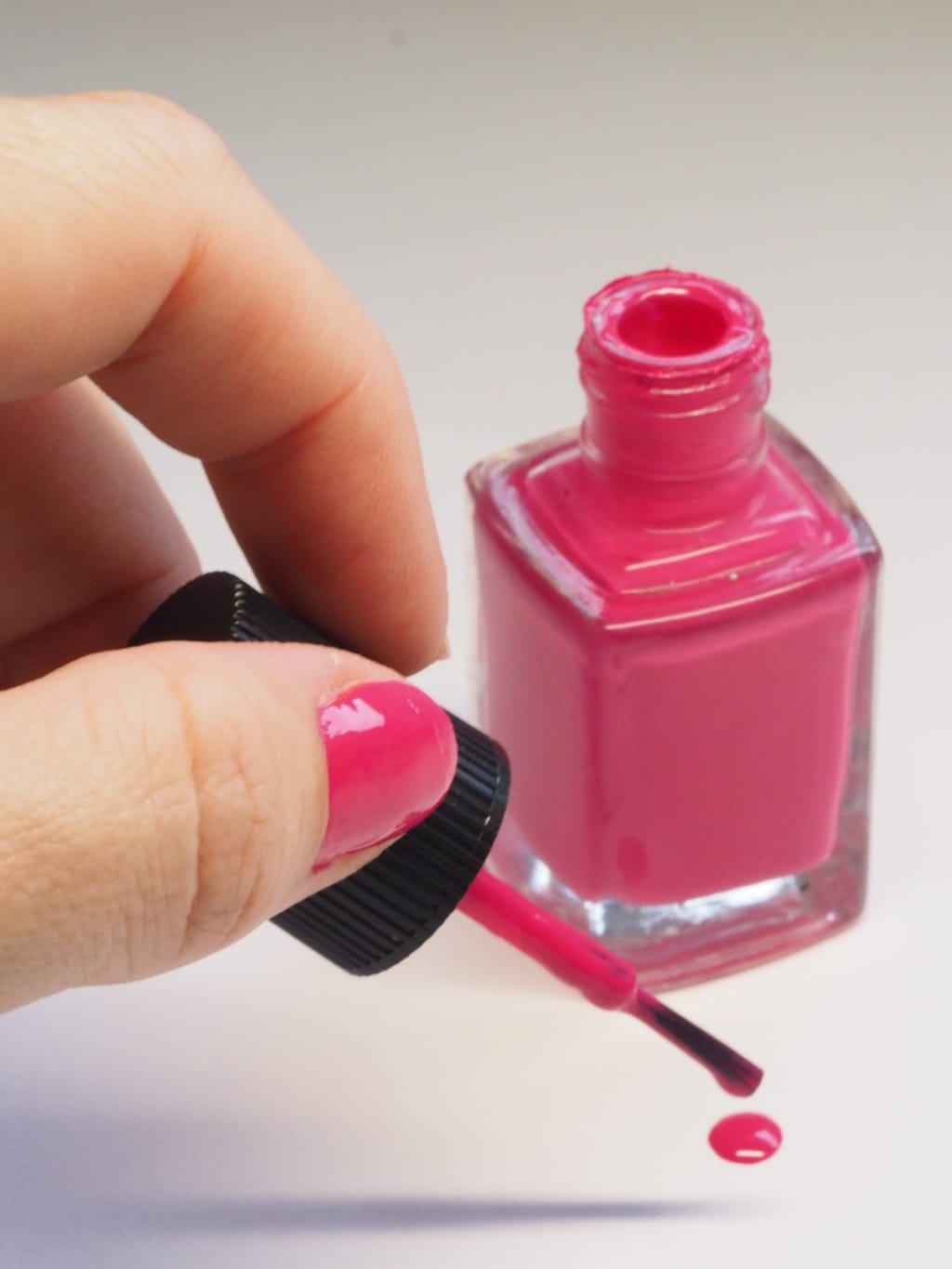
Nail polish is a popular way to add color and style to your nails, but it's important to use it in moderation to avoid damaging your nails. In this article, we'll discuss the reasons why it's not recommended to use nail polish daily, as well as tips for maintaining healthy nails.
Nail polish is a popular cosmetic product that is used to enhance nail's appearance. It comes in a wide range of colors, finishes, and brands, making it easy to find the perfect shade to match any outfit or occasion. However, it's important to use nail polish in moderation to avoid damaging your nails. In this article, we will explore the reasons why it's not recommended to use nail polish daily and how to maintain healthy nails.
1. Drying and Damaging the Nails:
Nail polish is made up of several different chemicals, including solvents, resins, and pigments. These chemicals work together to create the glossy, colored finish of the polish, but they can also be harsh on the nails. When applied frequently, the chemicals in nail polish can dry out the nails, causing them to become brittle and weak. This makes them more susceptible to breaking and chipping, which can be unsightly and painful.
When the nails are constantly exposed to these chemicals, they may become dehydrated which can lead to the nails becoming thin, translucent, and brittle. Also, the use of nail polish remover can cause further drying, as it contains acetone which dehydrates the nails and cuticles.
Moreover, when you constantly apply and remove nail polish, it can lead to the nails losing their natural oils and moisture, making them weak and prone to breakage.
In summary, overuse of nail polish can cause a number of negative effects on your nails, including dryness, brittleness, and a higher risk of breakage and chipping. To maintain healthy nails, it's important to give your nails a break from time to time and to use a moisturizer to keep them hydrated.
2. Harmful Chemicals in Nail Polish:
The main chemicals found in nail polish are:
- Solvents: These chemicals are used to dissolve the other ingredients in the polish and to create a smooth consistency. They can include ingredients such as acetone, ethyl acetate, and butyl acetate.
- Resins: These chemicals are used to create the glossy finish of the polish. They can include ingredients such as nitrocellulose and polyester.
- Pigments: These chemicals are used to add color to the polish. They can include iron oxide, titanium dioxide, and ultramarine blue.
- Film Formers: These chemicals are used to hold the polish together, and create a protective layer over the nails. They can include ingredients such as cellulose acetate butyrate, cellulose acetate propionate, and ethyl tosylamide.
While these chemicals are safe to use in small amounts, frequent exposure to them can cause negative effects on both the nails and the skin. Some of these chemicals can be harsh and cause skin irritations, allergic reactions, and chemical sensitization. In addition, some of the chemicals can cause discoloration, cracking, and damage to nails over time.
It's important to be aware of the ingredients in the nail polish you're using and to choose products that are free of potentially harmful chemicals. Opt for nail polishes that are labeled as "non-toxic," "organic," or "3-free" (free of formaldehyde, toluene, and phthalates), which are less likely to cause negative effects on your nails and skin.
In conclusion, while nail polish can be a fun and easy way to enhance your nails, it's important to use it in moderation to avoid exposing yourself to potentially harmful chemicals. It's a good idea to take a break between uses, and choose a nail polish that is free of harmful chemicals.
3. Personal Preference :
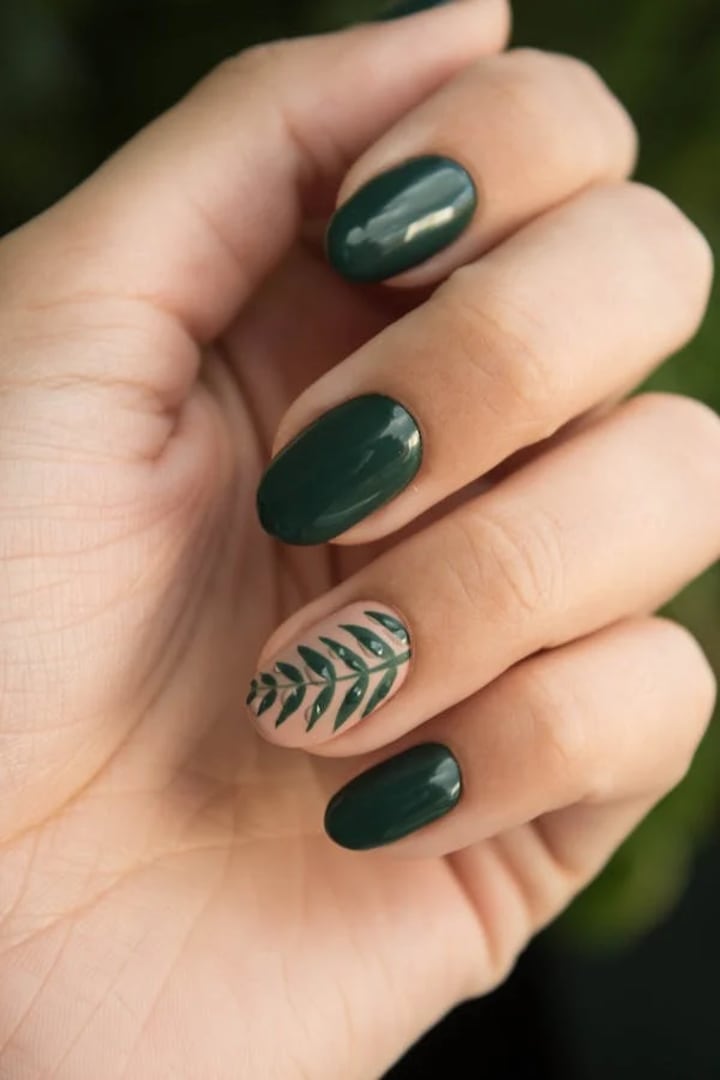
In addition to the potential harm that overuse of nail polish can cause to your nails, some people simply don't like to wear it all the time. They may find that it feels uncomfortable or restrictive, or that it doesn't match their personal style or lifestyle.
Many people prefer to have a break from nail polish and have their natural nails visible. It's a personal preference, and some people may prefer the natural look of their nails without any polish on them.
Many people also like to switch up their nail polish often, and it can be difficult to match your nail polish to every outfit or occasion. It's also hard to maintain a perfect manicure all the time.
It's important to remember that it's ultimately up to you whether or not to use nail polish. If you're someone who enjoys wearing it, that's great! But if you're not, that's also perfectly fine. Everyone has different preferences and what works for one person may not work for another.
In summary, while some people enjoy using nail polish to add color and style to their nails, others may prefer to avoid it. Whether or not to use nail polish is a personal preference, and it's important to do what feels right for you and your nails.
4. Tips for Maintaining Healthy Nails:
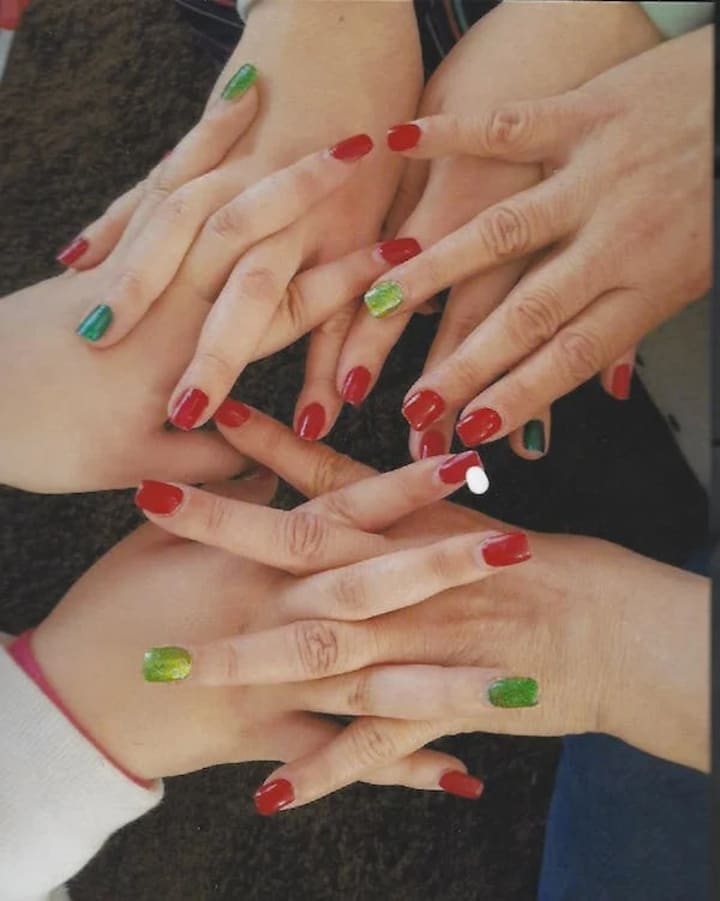
Maintaining healthy nails is important for both appearance and overall nail health. Here are some tips to help you maintain healthy nails:
- Moisturize: Keeping your nails and cuticles moisturized is essential for preventing dryness and brittleness. Use a good quality cuticle oil or moisturizer to keep your nails and cuticles hydrated.
- Eating a balanced diet: Eating a balanced diet that is rich in vitamins and minerals can help to promote healthy nails. Make sure to include plenty of fruits and vegetables, lean protein, and healthy fats in your diet.
- Avoid biting or picking at your nails: Biting or picking at your nails can cause damage, including breaking and chipping. It's also an unsanitary habit.
- Be gentle with your nails: Avoid using harsh chemicals or tools on your nails and be gentle when cleaning them.
- Limit the use of nail polish: Using nail polish too frequently can lead to dryness, brittleness, and damage. It's important to give your nails a break from time to time and to use a moisturizer to keep them hydrated.
- Consult a doctor or dermatologist: If you have any concerns about the health of your nails, it's a good idea to consult a doctor or dermatologist for advice. They can help you identify any underlying issues and recommend treatment options.
By following these tips, you can help to maintain healthy nails and avoid damage from the overuse of nail polish. Remember that healthy nails are a sign of good overall health and it's important to take care of them.
Conclusion:
Nail polish can be a great way to enhance the appearance of your nails, but it's important to use it in moderation to avoid damaging your nails. Overuse of nail polish can dry out and damage the nails, causing them to become weak and brittle. Additionally, nail polish contains chemicals that can be harmful if used in excess, causing skin irritations, allergic reactions, and damage to the nails over time. It's also a personal preference, some people don't like to wear nail polish all the time.
To maintain healthy nails, it's important to give your nails a break from time to time, use a moisturizer to keep them hydrated and choose a nail polish that is free of harmful chemicals. Remember to also follow a balanced diet and avoid biting or picking at your nails.
About the Creator
Nova
As an article writer and poet, I am excited to share my knowledge and creativity with the world. I bring accuracy and attention to detail to my writing, thoroughly researching topics for my articles and pouring my emotions into my poems.
Crucial Health and Safety Practices Every Employer Must Enforce
Creating a safe workplace isn't just about meeting legal obligations—it’s about building a sustainable, ethical, and high-performing business. When companies prioritize employee well-being, they reduce the risk of injuries, legal consequences, and operational disruptions. OSHA and other regulatory bodies have laid down clear guidelines to help employers maintain secure environments. These rules are designed to prevent accidents and illnesses, but their real value lies in protecting the people who keep businesses running.
By Dr. Todd Young6 days ago in Lifehack
The Truth in My Lab Report: How I Slashed My Triglycerides and Changed My Cholesterol for Good
My Lipid Wake-Up Call: How Untangling Triglycerides vs. Cholesterol Changed My Health (And Probably Saved Me) Let’s be real. For years, the words from my doctor’s office just washed over me. A mumbled monologue about “lipid panels,” “numbers,” and “cardiovascular risk.” I’d nod, see a few flagged results on my printout—usually something about triglycerides and LDL—feel a pinch of worry, and then… life would happen. I’d grab a quick sandwich, skip the gym because I was tired, and tell myself I’d deal with it later. The confusion itself was a comfort zone. If I didn’t truly understand it, I couldn’t be fully responsible for fixing it, right?
By John Arthor6 days ago in Lifehack
Miss Persephone's Manual to a Seemingly Ordinary Life
Miss Persephone was found at the dining table, her blue eyes swollen, her tears arriving and retreating like the tides of the ocean. Earlier that day, her family had visited her in the retirement home where she had lived for eight years. It was her eightieth birthday.
By Imola Tóth2 days ago in Fiction



Comments