
HEALTH BENEFITS OF PHYSICAL EXERCISE
Life long benefits of physical exercise...
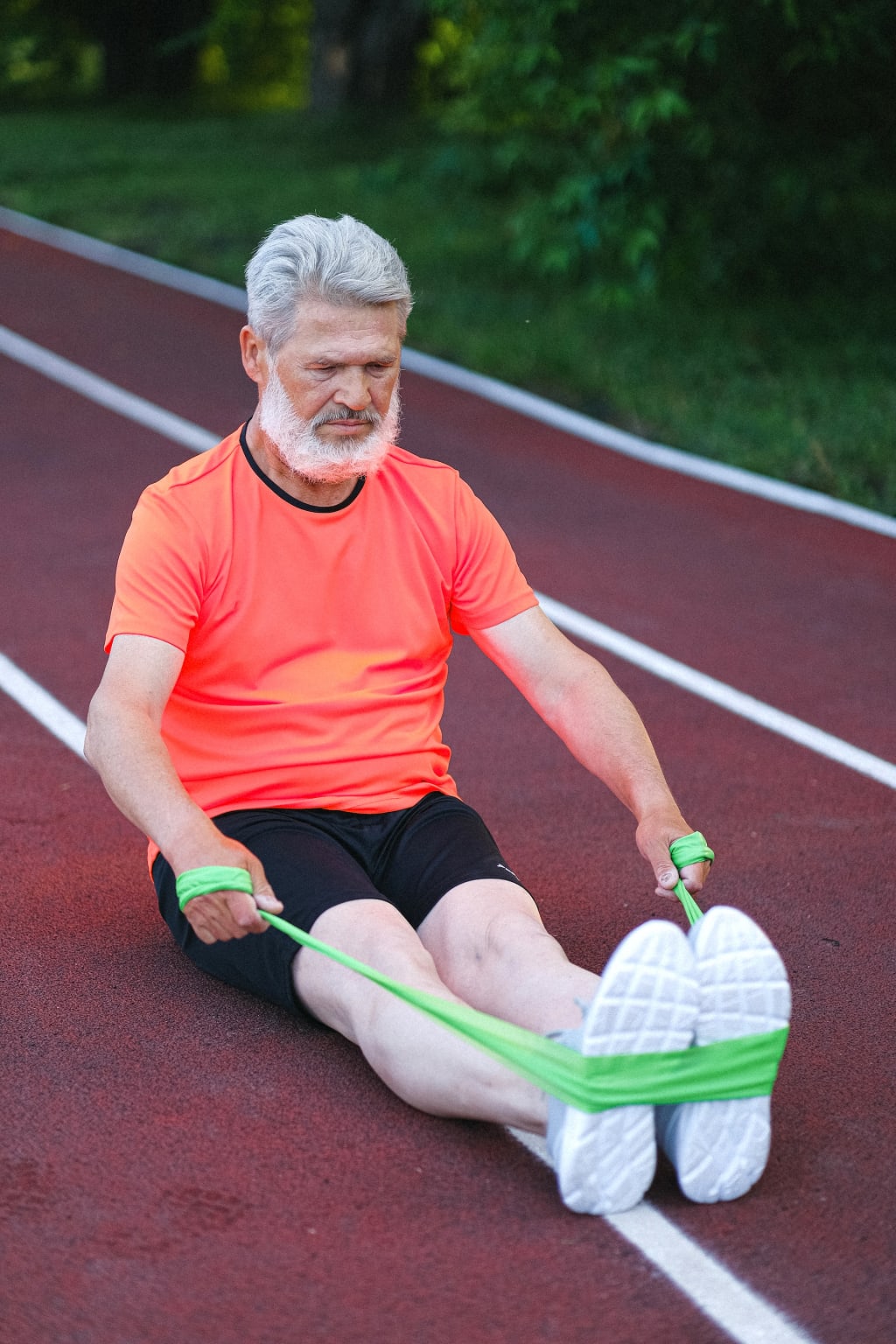
Physical exercise has many health benefits, both mental and physical. Regular physical activity can help you reach and maintain a healthy weight, reduce your risk of chronic diseases (like heart disease and cancer), strengthen your bones and muscles, improve your mental health and mood and boost your energy levels.
Physical exercise is beneficial for cardiovascular health: It helps to strengthen the heart muscle and improve circulation, reducing your risk of heart attack and stroke. It also helps to lower cholesterol and blood pressure, and can improve recovery after a heart attack.
Physical exercise is beneficial for cardiovascular health because it helps to lower your blood pressure, reduce LDL (bad) cholesterol levels, improve HDL (good) cholesterol levels, boosts your heart rate, strengthens your heart muscles, reduces your risk of strokes, and improves your overall circulation. Regular physical activity also helps to increase the amount of oxygen that your body is receiving, leading to reduced risk of heart disease. Additionally, exercise helps to reduce stress levels, contributing to a healthier heart and overall cardiovascular system.
Physical exercise helps to strengthen your muscles and bones: Regular physical activity not only increases muscle mass but also helps to maintain bone mineral density, reducing the risk of osteoporosis and other bone-related diseases.
Regular physical exercise helps to strengthen your muscles and bones in several ways. By causing tiny micro tears in the muscle fibers, exercise actually triggers a rebuilding process that results in the formation of stronger muscles and bones. This is because exercise causes the body to release hormones that promote growth and regeneration. Physical activity also increases bone density, which helps to protect against osteoporosis. Additionally, engaging in weight-bearing exercises such as walking, running, and weight training help to build stronger muscles and bones.
It also helps to improve a person's flexibility, balance and coordination: This can reduce the risk of injuries, especially those associated with old age.Exercises such as Pilates, Yoga, Tai Chi, and barre classes can help to improve a person’s flexibility, balance and coordination. These exercises involve stretching and strengthening specific areas of the body. Other exercises such as dance, sports, and martial arts can also effectively improve a person's flexibility, balance, and coordination. Finally, regular stretching, when done properly and safely, can also help to improve a person’s flexibility, balance and coordination.
Physical exercise can also help improve mental health: It stimulates endorphins, the "feel good" hormone, which can help reduce symptoms of depression and anxiety. It also helps improve focus and concentration, and can assist with memory recall.
Physical exercise has been shown to improve mental health in a variety of ways. It can reduce stress, promote relaxation, and improve self-esteem and confidence. Regular physical exercise can help to reduce the risk of depression and anxiety, boost mood, improve sleep quality, and help to manage the symptoms associated with mental health disorders. Exercise can also reduce the risk of self-harm and suicide in those who suffer from mental health issues. Exercise helps to reduce stress and clear the mind, while boosting levels of endorphins which are responsible for creating a feeling of happiness and well being.
Physical exercise can also boost your energy levels: Regular physical activity helps to increase your levels of endurance, meaning you can do more.
Physical exercise releases endorphins, which reduce stress and improve your overall mood. Regular physical exercise also increases oxygen in the body, improving circulation, which helps to supply the efficient delivery of nutrients to the cells thereby improving your energy levels. Exercising also strengthens the heart and lungs, which increases the body’s ability to deliver oxygen and helps to reduce fatigue. Additionally, exercise helps to improve muscle tone, which helps to stabilize blood sugar levels, leading to less energy highs and lows.
About the Creator
Keep reading
More stories from Ilozulike Samuel and writers in Lifehack and other communities.
How to Survive as a Broke Student
There are times as a student when you check your account balance, see nothing there, and suddenly even the smallest bills feel overwhelming. In those moments, it can feel like your life is about to fall apart. The feeling of helplessness can be suffocating, as if no matter what you do, there’s no way forward.
By Millicent Chisom5 days ago in Lifehack


Comments
There are no comments for this story
Be the first to respond and start the conversation.