
Healing Your Liver: The Best Diet for Liver Health & Repair
Discover the best diet for liver health. Learn foods that promote repair and natural detoxification. Optimize liver function with our expert dietary tips.

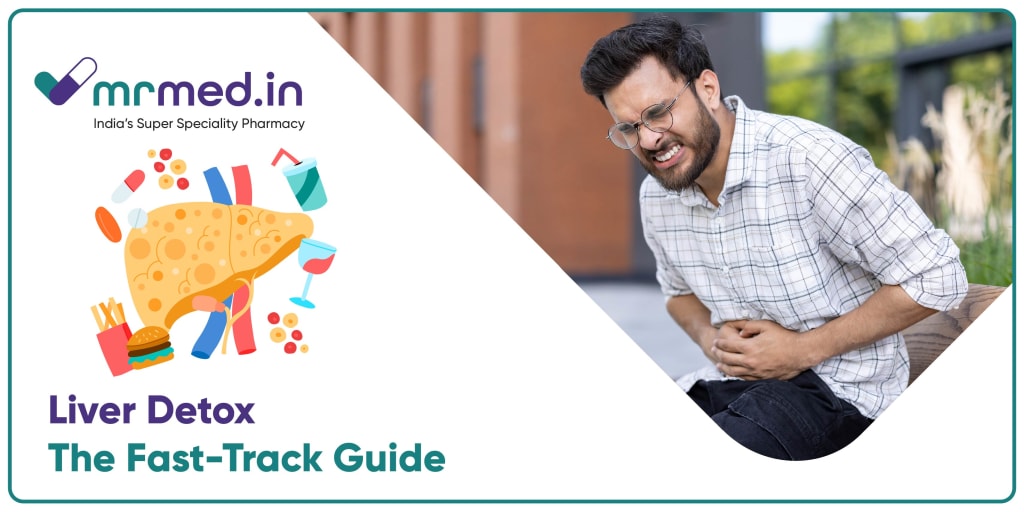
The liver is one of the most vital organs in the human body, playing a crucial role in detoxification, metabolism, and nutrient storage. Despite its importance, liver health is often neglected, which can lead to serious conditions like fatty liver disease, cirrhosis, and hepatitis. Fortunately, there are several ways to care for and repair your liver, and one of the most effective methods is through diet.
In this article, we’ll explore how you can improve liver health and even repair damage with the right foods while also briefly touching upon the role of supplements in liver care.
What is liver disease, and how does it affect the body?
Liver disease contains a range of conditions that damage the liver, causing it to function less efficiently. Fatty liver disease, hepatitis, and cirrhosis are some of the most common liver disorders, with causes ranging from excessive alcohol consumption to viral infections or poor dietary habits.
When the liver becomes damaged or inflamed, its capacity to perform essential functions such as detoxifying the body, producing proteins, and metabolising nutrients is compromised. Left untreated, liver disease can cause liver failure, which can be fatal.
Fortunately, lifestyle changes, particularly in diet, can play a significant role in healing the liver, preventing further damage, and even reversing some of the effects of liver disease.
How does diet play a role in liver health?
A balanced, nutrient-rich diet is crucial for optimal liver function. Some foods support detoxification, reduce inflammation, regenerate liver cells, and prevent harmful fat buildup. Here are key dietary changes to promote liver health and repair.
1. Include Plenty of Antioxidants: Antioxidants are substances that assist in neutralising harmful free radicals in the body, which can damage liver cells. Foods enriched with antioxidants, such as berries, leafy greens, and cruciferous vegetables (broccoli, cauliflower, brussels sprouts), can assist in protecting the liver from oxidative stress and inflammation.
Berries (blueberries, strawberries, raspberries) are packed with flavonoids and vitamin C, both of which have anti-inflammatory and liver-protective properties.
Dark, leafy greens such as spinach and kale are fantastic sources of chlorophyll, which may help detoxify the liver and clear harmful substances from the bloodstream.
Cruciferous veggies, such as Brussels sprouts and broccoli, contain sulphur compounds that enhance the liver’s detoxification abilities.
2. Healthy Fats for Liver Repair: While the liver is crucial for fat metabolism, consuming the right kind of fats is essential to avoid further liver damage.
Omega-3 fatty acids, found in oily fish like salmon, mackerel, and sardines, are particularly beneficial. These fats help reduce inflammation and fatty liver accumulation.
Also, olive oil is known for its anti-inflammatory properties and is a useful source of healthy monounsaturated fats.
The regular consumption of olive oil can improve liver function by decreasing fat buildup in the liver and enhancing its overall health.
3. Hydration and Herbal Teas: Staying well-hydrated is fundamental for liver detoxification. Water assists in flushing out toxins and supports the liver in its filtering process. Herbal teas, especially those made from dandelion root and milk thistle, are also known to support liver function. These herbs contain compounds that stimulate bile production, which helps in the breakdown and elimination of fats and toxins.
Milk thistle, known for its active compound silymarin, has been shown to protect liver cells from damage and promote regeneration.
Dandelion root helps stimulate liver function and detoxification by increasing bile production and supporting digestion.
4. Limit Sugary and Processed Foods: Consuming a diet high in refined sugars, trans fats, and processed foods can lead to fatty liver disease, insulin resistance, and chronic inflammation.
Diminishing or removing these foods from your diet can aid in preventing additional liver damage and promote its recovery.
Refined sugar, particularly fructose found in sugary drinks, is especially harmful to the liver.
It can contribute to fat accumulation and inflammation, increasing the risk of liver disease. Instead, choose natural sweeteners like honey or stevia, and focus on whole, unprocessed foods.
5. Increase fibre intake: Fibre is another important component of a liver-friendly diet. Foods that are high in soluble fibre like oats, beans, lentils, and vegetables support healthy digestion and prevent the collection of fat in the liver. Fibre also helps in the elimination of toxins through the bowel, which reduces the liver’s workload.
Oats are an outstanding source of soluble fibre that helps lower cholesterol and improve liver function.
Legumes like beans, lentils, and peas are enriched with fibre, protein, and essential nutrients that support liver health.
6. Vitamin and Mineral-Rich Foods: The liver relies on various vitamins and minerals to perform its detoxification and metabolic functions. Nutrients such as vitamin C, vitamin E, vitamin A, and zinc are particularly important for liver repair and health.
Vitamin C, found in citrus fruits, bell peppers, and tomatoes, acts as a powerful antioxidant and promotes the healing of liver tissue.
Vitamin E, present in nuts, seeds, and leafy greens, has anti-inflammatory properties that protect liver cells.
Zinc, found in foods like oysters, meat, and legumes, plays a vital role in liver regeneration.
7. Moderate Protein Intake: While protein is essential for overall health and liver repair, it’s important not to overconsume it, as too much protein can strain the liver. Focus on lean protein sources such as chicken, turkey, tofu, and legumes, and avoid processed meats like bacon and sausages, which can be high in unhealthy fats and additives.
Which supplement is best for the liver?
Heptral tablets, containing Ademetionine, may support liver function by promoting cell regeneration and improving detoxification. Used for conditions like cirrhosis, hepatitis, and fatty liver disease, it can reduce inflammation, enhance bile secretion, and restore liver function. Consult a healthcare professional before use, especially if you have liver disease or take other medications.
It’s important to follow prescribed dosages and medical advice for optimal results.
Wrapping up
A healthy diet rich in antioxidants, healthy fats, fiber, and essential nutrients supports liver detoxification and reduces liver disease risk. Supplements can aid liver repair but should be used under professional guidance.
The liver is resilient, and with the right lifestyle changes, it can recover from many forms of damage. Consult a healthcare professional if you are concerned about your liver health.
About the Creator
Healthcare Tips From MrMed
If you are interested in reading various healthcare blogs written by professional medical experts, be sure to follow our MrMed Blog section.
https://www.mrmed.in/health-library/
Keep reading
More stories from Healthcare Tips From MrMed and writers in Lifehack and other communities.
Insulin vs. Oral Medications: What’s the Best Diabetes Treatment?
If you or a loved one has diabetes, you’ve probably wondered: Is insulin better, or should I stick with oral medications? The truth is, there’s no one-size-fits-all answer. Diabetes treatment depends on multiple factors, including your blood sugar levels, lifestyle, and how your body responds to medication.
By Healthcare Tips From MrMed11 months ago in Lifehack
Moving in Edmonds, Washington: What Locals Learn About Relocation Over Time
Moving to a new city always comes with a mix of excitement and uncertainty. Edmonds, Washington, is no exception. Known for its waterfront views, walkable downtown, and strong sense of community, Edmonds attracts families, professionals, and retirees looking for a quieter lifestyle just north of Seattle. However, moving within or to Edmonds requires planning, especially when choosing a moving company that understands the area.
By House Doctor7 days ago in Lifehack



Comments
There are no comments for this story
Be the first to respond and start the conversation.