
Insulin vs. Oral Medications: What’s the Best Diabetes Treatment?
Explore insulin & oral meds for diabetes. Compare efficacy, side effects, & lifestyle impact. Find the best treatment for your needs. Expert insights here.

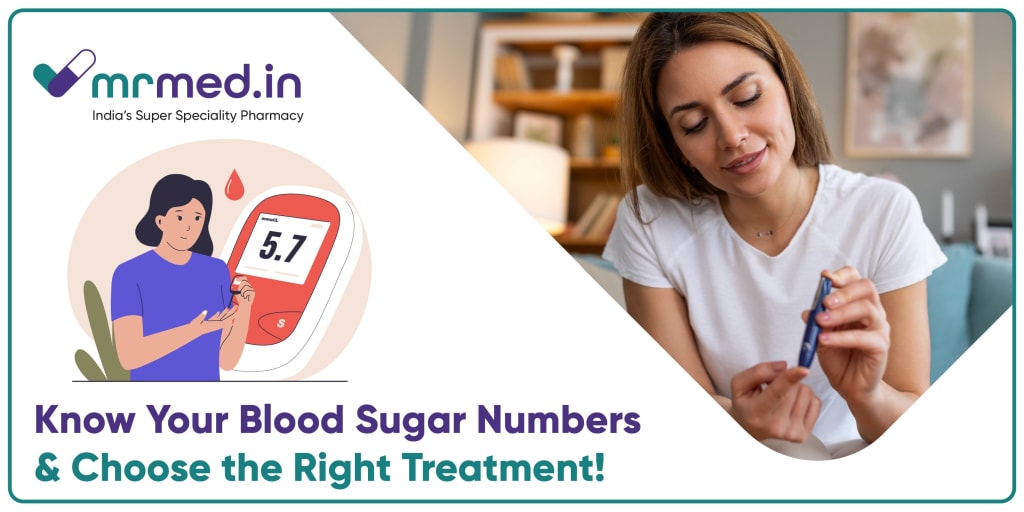
If you or a loved one has diabetes, you’ve probably wondered: Is insulin better, or should I stick with oral medications? The truth is, there’s no one-size-fits-all answer. Diabetes treatment depends on multiple factors, including your blood sugar levels, lifestyle, and how your body responds to medication.
Some people manage diabetes well with pills, while others need insulin to keep their blood sugar in check. But how do you know which option is best for you? Let’s break it down in simple terms.
How do diabetes medications work?
Diabetes happens when the body either doesn’t make enough insulin or can’t use it properly. This leads to high blood sugar levels, which can cause serious health problems over time.
Diabetes medicines help by either increasing insulin production, improving insulin sensitivity or lowering blood sugar in different ways. Here’s a basic comparison:
Oral Medications (Pills) – These help the body use insulin more efficiently or stimulate the pancreas to release more insulin.
Insulin Injections – These replace the insulin that the body isn’t making enough of, helping to regulate blood sugar directly.
Who needs insulin, and who can manage it with pills?
Your treatment plan depends on factors like how long you’ve had diabetes, your overall health, and how well your body controls blood sugar.
Oral medications are usually the first treatment for type 2 diabetes when lifestyle changes alone aren’t enough.
Insulin is typically used when oral medications stop working or if blood sugar levels remain dangerously high.
Some people may need a combination of both to achieve better control.
In certain cases, treatments like Trulicity injection, which contains Dulaglutide, help regulate blood sugar by mimicking natural hormones that control insulin release.
What are the benefits of oral diabetes medications?
Oral medications are often the first choice because they are:
Easy to take – Just pop a pill as prescribed.
Less invasive – No need for injections.
Effective for many people – They help regulate blood sugar, especially in early-stage diabetes.
However, not all oral medications work the same way. Some increase insulin production, while others slow down sugar absorption. The best choice depends on your individual needs.
Why do some people need insulin?
Insulin is necessary when the body can’t produce enough on its own. This is common in:
Type 1 diabetes – The body doesn’t make insulin at all, so injections are a must.
Advanced type 2 diabetes – When pills stop working effectively, insulin may be the next step.
Severe blood sugar spikes – If levels are dangerously high, insulin helps bring them down quickly.
Some people hesitate to start insulin because they think it means their diabetes is “worse.” But in reality, using insulin when needed helps prevent serious complications.
Does insulin have any drawbacks?
While insulin is highly effective, it does have some challenges:
Requires injections – Many people dislike needles, but newer insulin pens make it easier.
Can cause low blood sugar (hypoglycemia) – Taking too much insulin without eating properly can lead to dangerously low blood sugar.
Needs careful monitoring – You’ll need to check your blood sugar regularly and adjust doses accordingly.
That’s why it’s crucial to know your blood sugar numbers and adjust your treatment plan based on your doctor’s advice.
Can diet and lifestyle changes reduce the need for medication?
Absolutely! A healthy diabetes diet can improve blood sugar control and may even reduce dependence on medications.
Here are some easy diet tips:
Eat more fibre – Whole grains, veggies, and beans help slow sugar absorption.
Include lean protein – Chicken, fish, and tofu keep blood sugar stable.
Avoid excess sugar – Cut back on processed sweets and sugary drinks.
Choose healthy fats – Nuts, seeds, and avocados support overall health.
Combined with regular exercise, these changes can have a significant impact on diabetes management.
Is one treatment better than the other?
There’s no clear winner—both oral medications and insulin have their place in diabetes care. It all depends on what works best for your body.
If your diabetes is mild to moderate, oral medications might be enough.
If your diabetes is progressing, insulin may be needed.
Some people do best with a combination of both for better control.
Certain treatments, such as Trulicity 0.75, provide additional support by helping the body regulate blood sugar naturally.
Final Thoughts
Managing diabetes isn’t just about choosing between pills and insulin—it’s about finding the right balance for your body. Whether you take oral medications, insulin, or both, the goal is the same: keep blood sugar levels in check and live a healthy life.
The best treatment is the one that fits your lifestyle and keeps you feeling your best. Talk to your doctor, track your blood sugar, and make smart choices about your diet and medications. Diabetes management is a journey, but with the right plan, you can stay in control!
About the Creator
Healthcare Tips From MrMed
If you are interested in reading various healthcare blogs written by professional medical experts, be sure to follow our MrMed Blog section.
https://www.mrmed.in/health-library/
Keep reading
More stories from Healthcare Tips From MrMed and writers in Lifehack and other communities.
The Complete Guide to Enhancing Body Strength with Proper Nutrition
Building a strong and resilient body requires more than just regular exercise—proper nutrition is essential for muscle development, endurance, and recovery. Without the right nutrients, the body struggles to perform efficiently, making it harder to build strength and maintain energy levels.
By Healthcare Tips From MrMedabout a year ago in Lifehack
Preparing to Move After Listing Your Home in the United States
Listing a home for sale is often the first step in a process that brings both excitement and uncertainty. While much attention is usually placed on preparing the property for showings and negotiating offers, the move that follows deserves just as much consideration. For homeowners across the United States, preparing to relocate while a home is on the market requires careful organization, realistic expectations, and emotional awareness.
By House Doctor7 days ago in Lifehack
Rise of AI Mental Health App in 2026
Mental health is no longer a secondary healthcare concern. Anxiety, depression, burnout, and stress-related disorders are now among the most common health challenges globally. As access to traditional therapy struggles to keep pace with demand, mental health app development has emerged as a practical, scalable solution that bridges care gaps while improving accessibility, affordability, and continuity of support.
By Steve Waugh3 days ago in Lifehack




Comments
There are no comments for this story
Be the first to respond and start the conversation.