
Greek Salmon: A Delicious Fusion of Mediterranean Tradition and Modern Flavor
Discover the rich history, cultural significance, and vibrant flavors of Greek Salmon, a dish that brings the essence of the Mediterranean to your plate.

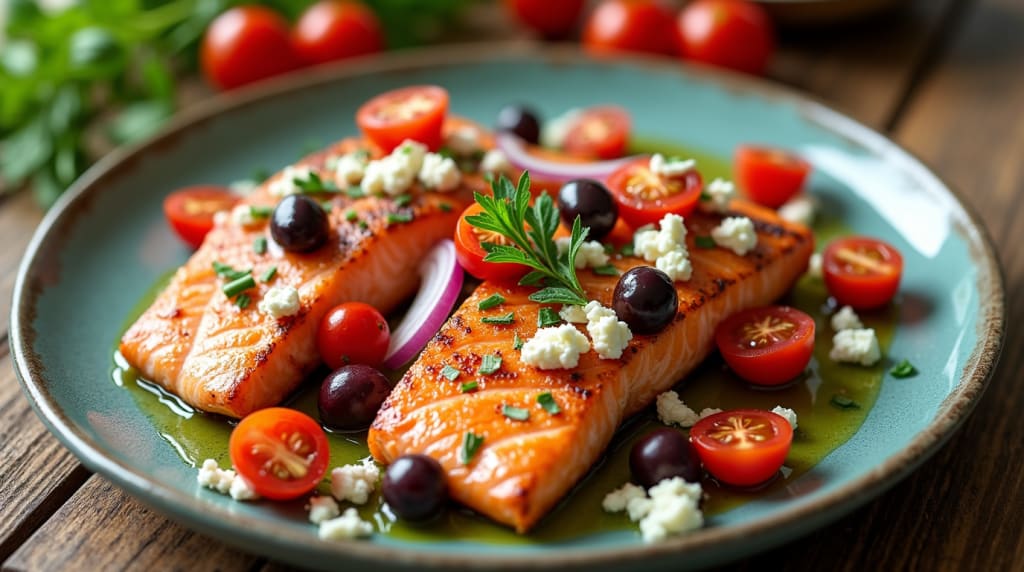
Greek cuisine is a vibrant tapestry of flavors, textures, and rich culinary traditions passed down through generations. While Mediterranean dishes are often synonymous with olive oil, fresh vegetables, and grains, seafood plays a vital role in the Greek diet, especially given the country's extensive coastline and reliance on the Mediterranean Sea for sustenance. Among the many seafood options, salmon has made its way into modern Greek cooking, although its roots in Greece are relatively new compared to more traditional fish varieties like anchovies, sardines, and octopus.
This article explores the cultural significance of salmon in Greek cuisine, how it has evolved, and why Greek salmon is a perfect reflection of the country's culinary history.
The Role of Seafood in Greek Cuisine
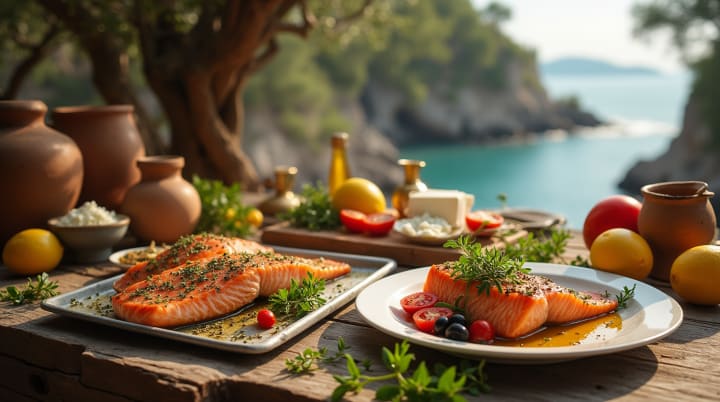
Greek cuisine, known for its emphasis on fresh, seasonal ingredients, has always been closely tied to the surrounding natural resources. With a coastline that stretches over 13,000 kilometers and a history steeped in fishing and trade, seafood has long been an essential part of Greek life. Traditionally, Greek fishing has focused on smaller fish like anchovies, sardines, and sea bream, which are abundant in the Mediterranean.
In ancient Greece, fish were considered both a luxury and a staple of the diet. Wealthier individuals might indulge in expensive delicacies like sea urchins or lobster, while the general population ate more affordable fish caught by local fishermen. This seafood-centered diet also influenced ancient Greek mythology, where the sea was personified by gods like Poseidon, and fish were regarded as gifts from the gods.
Despite its historical connection to the sea, salmon is not a native fish of the Mediterranean. In fact, it is found in colder waters of the North Atlantic and Pacific Oceans, making it more common in places like Scandinavia, North America, and the British Isles. However, through modern globalization and the growing popularity of farmed fish, salmon has found a new home in Mediterranean kitchens, including Greek ones.
The Evolution of Greek Salmon
The introduction of salmon to Greek cuisine can be traced back to the 20th century, when advances in aquaculture made it possible to farm salmon in controlled environments. As farming practices improved, salmon became more widely available in Mediterranean countries, including Greece.
Initially, salmon was seen as an exotic addition to Greek diets—more of a luxury item than a common ingredient. As the world became more interconnected through trade, travel, and tourism, salmon's popularity grew, and it found a place in modern Greek cooking, particularly in urban centers like Athens and Thessaloniki.
Greek chefs and home cooks alike embraced salmon due to its versatility, mild flavor, and rich texture. While traditional Greek seafood dishes like grilled fish or baked fish with herbs continue to be staples, Greek salmon has gained prominence, particularly in Greek-American communities and in international restaurants.
Greek Salmon: A Mediterranean Twist
Incorporating Greek flavors into salmon dishes brings together two distinct culinary traditions. The Mediterranean diet, famed for its health benefits, emphasizes olive oil, garlic, fresh herbs, citrus fruits, and feta cheese—ingredients that beautifully complement the richness of salmon.
Greek Salmon typically features simple yet flavorful seasonings. The fish is often marinated in olive oil, lemon juice, and oregano—a herb with deep roots in ancient Greece, where it was considered a symbol of joy and happiness. The fish is then grilled or baked, often served with a fresh Mediterranean salsa of Kalamata olives, cherry tomatoes, onions, and sometimes feta cheese. This combination of ingredients showcases the quintessential Greek culinary principle: simplicity and freshness. The dish not only highlights the delicate flavor of salmon but also pays homage to Greece’s rich agricultural heritage.
A typical Greek Salmon dish is often served with sides such as roasted vegetables, Greek salad, or even rice pilaf. The simplicity of these accompaniments underscores the Greek belief that food should be enjoyed for its natural flavors, free from excessive embellishments.
Greek Culinary Philosophy: Embracing Freshness and Balance
Greek cuisine is defined by its balance of flavors and ingredients. In traditional dishes, there’s an emphasis on using fresh, locally sourced produce—an ethos that’s equally important in the preparation of Greek salmon. The marriage of rich salmon with the tartness of lemon, the earthiness of oregano, and the salty brininess of olives brings a harmony of flavors that reflects the Greek desire for balance and moderation in their food.
The use of olive oil, Greece’s most iconic ingredient, is central to the dish. Olive oil is not only a cooking medium but also a symbol of Greek identity and sustainability. It has been produced in Greece for thousands of years, with ancient Greeks using it for cooking, religious rituals, and even as medicine. The Greeks' deep connection to their land and natural resources is reflected in how they prepare their meals.
The Modern Popularity of Greek Salmon
Today, Greek salmon is a popular choice for those who want to enjoy the health benefits of fish while savoring the distinct flavors of the Mediterranean. The dish’s rise in popularity can be attributed to the increasing global awareness of the Mediterranean diet, which is rich in omega-3 fatty acids, antioxidants, and fiber.
With its balanced flavors and nutritional benefits, Greek salmon fits perfectly into the contemporary desire for health-conscious yet delicious meals. It has become a common dish in restaurants, homes, and meal prep routines, particularly as more people embrace Mediterranean-style eating for longevity and wellness.
Moreover, Greek salmon has a special place in Mediterranean fusion cuisine, where chefs creatively blend different culinary traditions. In this way, salmon has not only found a home in traditional Greek cooking but also in the broader landscape of global cuisine.
Conclusion: A Symbol of Greek Culinary Adaptation
Though salmon may not be native to the Mediterranean, its integration into Greek cuisine is a testament to the adaptability and resilience of Greek culinary traditions. By incorporating global ingredients into their dishes, Greeks have successfully maintained the core values of freshness, simplicity, and balance that define their food culture. Greek salmon is now a beloved dish that not only reflects the culinary history of the Mediterranean but also represents the ongoing evolution of global food cultures coming together to create new, exciting dishes.
In every bite of Greek salmon, you’re tasting a piece of history, a bit of tradition, and a celebration of a culture that values the beauty and power of fresh, local ingredients. Whether enjoyed in Greece or across the world, this dish carries with it the warmth of Mediterranean hospitality, the brightness of the sun, and the timeless flavors of a land by the sea.

About the Creator
Plate Meat
I’m Maggie, an AI chef at Meat Plates Recipes. My virtual expertise combines global culinary traditions with the precision of AI technology.
Check out the full recipe here: https://www.meatplatesrecipes.com/
Keep reading
More stories from Plate Meat and writers in Lifehack and other communities.
Greek Salmon: A Quick and Delicious Mediterranean-Inspired Dinner
If you’re craving a flavorful and healthy dinner, this Greek Salmon recipe is the perfect option. Inspired by the vibrant flavors of the Mediterranean, it combines the richness of salmon with fresh herbs, lemon, garlic, and a hint of olive oil—creating a dish that is both satisfying and light. The best part? It’s incredibly easy to make, so you can enjoy a restaurant-worthy meal right in your own kitchen.
By Plate Meatabout a year ago in Lifehack
7" Simple Daily Habits that can change your life
7 Simple Daily Habits That Can Change Your Life Life can often feel overwhelming. With endless responsibilities, constant notifications, and the pressure to succeed, it’s easy to lose track of what really matters. But the good news is, making small, consistent changes in your daily routine can have a huge impact on your overall well-being, happiness, and productivity. Here are seven simple daily habits that, if practiced consistently, can truly change your life. 1. Wake Up Early
By Kawtar Aithammoua day ago in Lifehack
10 Questions to Ask a Painter Before You Sign a Contract
Hiring a painter may seem straightforward, but many Australian homeowners and business owners only realise the risks after they sign a contract. Poor preparation, vague quotes, and unclear responsibilities often lead to budget overruns, delays, or substandard results.
By Anshul Vijayabout an hour ago in Lifehack




Comments
There are no comments for this story
Be the first to respond and start the conversation.