
Getting the Right Home Help for Seniors that Respects their Independence
Trusted home care that supports seniors while valuing independence.

Introduction
Ageing is a natural transition that comes with a couple of challenges. For some, it may be forgetfulness or difficulty connecting with the community. For others, it could be a feeling of isolation.
The striving towards independence makes seniors vulnerable when old age comes knocking. That is when they require the most help from those around them. Help from their families, friends, and carers, right in the comfort of their home.
However, needing help doesn’t have to be at the expense of losing their independence. It should be a mutual agreement. Your loved one should not feel like you are taking away their independence. They should see home help as getting extra support.
Home help for seniors plays a crucial role in providing home support for the elderly who want to ensure their independence while receiving the best care. This guide explores what home help for seniors looks like and how it empowers people.
Home Help for Seniors - An Overview
Home help for seniors is the professional support older adults receive in their homes. It covers a wide range of services. Activities that ensure the elderly get the right quality of care they deserve through an appropriate service provider.

Home help for seniors goes beyond doing home chores. It is not just about helping them with daily activities. It is about offering quality care services with empathy. Making them understand that offering help is not a way of taking their independence, and ensuring that the elderly are supported.
Why Maintaining Independence Matters in Older Adults
Independence is not a luxury aged people can afford. Unlike when they were younger, they no longer have the energy to do all the running around. They now require help to do things they would have done on their own. This alone could cause a dip in their mental health.
Studies have shown that providing these people with support while also helping them maintain their independence does a lot of good.
Benefits of Maintaining Independence Matters in Older Adults
- It reduces the risk of depression
- It improves their mental well-being
- It increases their self-respect
- Leads to improved independence
Older adults love to be in control. You should not deprive them of that. The right home help support not just provides the best care services, it is a form of partnership.
How Home Help for Seniors Supports Independence
A structured home help approach helps seniors to strike a balance between self-reliance and safety. It offers quality assistance whilst ensuring the elderly are in control. Some of the ways home help for seniors support independence include;
Flexible Schedules
Home help for seniors allows them to decide how they want their care service. It also gives them the control to decide when they want it. That way, they are the ones in charge of their caregivers’ timing.
Goal Setting
Another way home help support seniors’ independence is helping them to set personal goals. For instance; a carer might help them set a personal goal like walking daily to get the newspaper, making their breakfast, and so on.
Emotional Support
Beyond empathy and providing home help support, being heard and seen is also a form of emotional support for senior. In the elderly, the feeling of recognition is just as important as the physical care they receive.
Sharing
Home help for seniors ensures task sharing, not total takeover. Carers work with the seniors to assign specific chores. The goal is to support, not to take over such that the seniors feel helpless.
Offering Selective Help - Helping with, Not Helping For
When we care about someone, we want to do everything for them, especially when they are elderly. It is natural. We would not want to see them struggle with any task or chore. However, that could send them the wrong message.
These seniors may feel they are no longer reliable to care for themselves. Over a period, this can make them lose confidence and increase their reliance. To prevent this, a collaborative approach that helps them with tasks should be adopted.
For example, instead of making their bed while they sit and watch, you can say, “Would you like to straighten the pillow?” I have made the bed, would you love to pull the covers?”
This approach gives them a sense of ownership over their personal activities. It makes involving them in tasks, decision-making, and small contributions easy. Commending them when they complete these tasks can also boost their self-confidence.
Letting Them Choose - The Power of Choice
Choice is important aspect of independence. When seniors continue to receive an increasing amount of help with their care routines, they lose their right to choose. From deciding what to eat to how to spend the afternoon to deciding what to wear, the elderly should be able to make crucial decisions that affect their daily living.
Home help should include opportunities for them to choose their daily schedule, express how they want help, and when they want it. Carers and family members can support this by being patient, listening carefully to them, and offering them options.
This shows respect, encourages conversation, and makes it easy for them to open up about their feelings. Remember, seniors want to be seen and heard. That cannot be possible if they cannot make crucial choices that affect their well-being.
These methods are ways carers focus on what their older patients can do, not what they cannot do. It helps them to promote resilience and reduce reliance.
A home help care that is respectful and empowering is not just a service, it is a partnership. Helping seniors provide help with home chores rather than take full control of their daily routines. Active participation and cooperation are crucial to maintaining confidence and well-being.
Common Types of Home Help Services
Home help for seniors extends care service. It also includes personal services and everything that makes living comfortable. These help not only address physical needs. They also nurture emotional well-being and help the individual maintain social connections.

Some of these services include;
Household Tasks
Routine chores can be challenging for people as they grow older. Easy tasks now require extra effort and take longer to complete. These tasks are essential as they contribute to a clean and hygienic living environment. Home help for seniors often includes light domestic tasks like;
- Dusting
- Washing of the bathroom
- Doing the laundry
- Emptying the bin
Helping with these home tasks does not mean taking over the household; it is to lend a helping hand where and when it is needed.
Meal Preparation
Nutrition is an important aspect of healthy ageing. For seniors, preparing nutritious meals can be physically demanding. Home help services assist them with meal preparation in many ways like:
- Making a dietary plan
- Grocery shopping
- Meal cooking
- Tidying the kitchen after meals
In some cases, carers can let the elderly handle some cooking steps under close supervision. Like, putting the dirty dishes in the dishwasher, stirring food, etc. This can make cooking times fun and exciting moments to look forward to.
Beyond preparing nourishing meals, this also presents a chance for companionship and instills a sense of routine. Following familiar recipes can help seniors who struggle with their appetite to eat better.
Personal Care Assistance
Personal care assistance is one of the most sensitive aspects of home help for seniors. This care service supports seniors in maintaining hygiene. How it is done plays a vital role in the dignity and self-confidence of the elderly.
- Some personal care assistance services include;
- Using the toilet
- Oral hygiene
- Bathing
- Applying skincare products or using lotion
- Dressing and Undressing
These services are delivered with utmost sensitivity and regard for the elderly. They are done with respect to ensure that the senior does not feel infringed and loses their self-esteem.
Medication Reminders
Managing medications can be difficult for seniors, especially when there are many prescriptions. In cases where missed dosage can have serious consequences, having home help won’t be a bad idea.
The carer will help with timely medication reminders. They will also help with keeping track of dosage usage and changes as prescribed by the doctor. Gentle reminders like this ensure that health routines are adhered to without breaks.
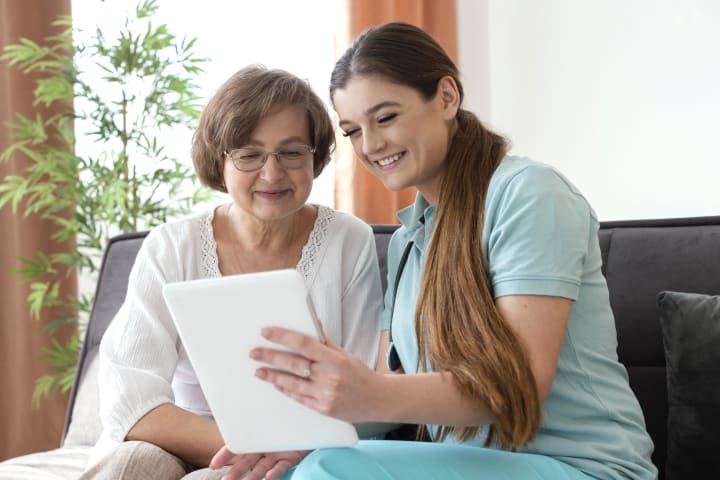
While carers do not administer medications, they only ensure that seniors adhere to what medical professionals prescribe. Their presence and supervision increases confidence in managing the daily health needs of elderly adults.
Mobility Support and Transport
Old age also comes with difficulty in mobility. Some seniors may struggle to get out of bed. Some seniors might find it difficult to move around the house. While some will have challenges leaving the home safely without assistance.
Home help becomes essential here. Carers can help with different mobility supports. These include;
- Assisting with standing, sitting, and walking
- Using walking aids
- Supporting short indoor walks
- Helping with transportation
Whether it is walking around the home, in the garden, or in the park, home help for seniors offers the best mobility support.
Choosing the Right Kind of Home Help for Seniors
When selecting home help for seniors, it is necessary to have a template. This template should contain a list of factors to consider. See it as ticking the boxes. It is not just for safety and comfort, but for preserving dignity and independence.
Let us explore practical considerations when choosing the most suitable home help for your loved ones.
Understand what Home Help Involves
You need to understand that home help for seniors does not revolve around assistance alone. It is also about adults living comfortably in their space. Some types of home help services include;
- Personal care
- Companionship
- Meal preparation
- Medication tracking and management
Do a Thorough Assessment of the Actual Needs
Understand what the senior needs. Sometimes, it is not always about physical needs but emotional, cognitive, and social support.
Ask questions like;
- Is my loved one struggling with basic tasks?
- Do they seem lonely or isolated?
- Are they depressed?
- Do they need encouragement to stay mentally and socially active?
Practical chores are easy to focus on. The bulk of the work lies in their cognitive, social, and mental needs.
Involve the Older Person in the Decision-making
There should be no planning without the seniors’ input. Or how do you assure them that they are in control? Decisions about their care should be made with them, not for them. This will prevent resistance or frustration.
Regardless of the severity of their health challenge, involve them in their care conversation. Show them that their opinions matter. Ask what they find solace in. What they are comfortable with, what routines they would like to keep, and what they need help with the most.
You might also want to explain why they need home help. Let them understand no one is taking over their life.
Match the Type of Help to Their Personality
Every senior’s preferences are different. Some are private and prefer minimal contact with carers. While others love companionship and shared tasks. Know where your loved one fits and ensure their personality matches the carer.
Think about their cultural preference, religious inclination, communication style, language, and values. Finding a good personality match is not always easy, but it is crucial to building trust and making home help care easy for all the parties involved.
Prioritise Continuity
Consistency is key. Its impact cannot be overemphasized. Target regular carers instead of rotating a schedule of random carers. This will help to build a sense of routine and reduce anxiety in your loved one.
Continuity gives room to build sterling relationships. The carer becomes familiar with the person’s personality, leading to early improvement in health and mood. Support Network priortise long-term relationships between carers and families.
This not only builds trust but also improves the quality of care for seniors.
Start Small
It is not easy to tell seniors they are getting help. Introducing home help to them is a gradual process. It is an emotional step that requires careful handling. It is sensitive because often, they might feel like they are losing their independence.
Hence, it is highly recommended to start slow. You can start with weekly visits. Then, a trial period to see how your loved one takes the arrangement. Then gradually, more support based on feedback.
What begin as a light domestic support might eventually grow into a fuller home care routine. Just start small and scale. Do not rush the process.
Choose flexible and adaptable services
As a person’s condition changes, their needs also change. And this should reflect on the support service they receive. Carers at SupportNetwork are flexible. They know when to switch and when to intensify a particular care routine.
For instance, if a senior who initially needed help for post-surgery recovery later requires ongoing support, they are prepared for the change. Service providers like SupportNetwork provide customisable support. This allows families to redesign the right plan for their loved one.
Consider the Family Needs too
Often, we are too consumed with caring for our seniors that we forget ourselves. Home help for seniors is not only about the person receiving care. It also affects their family. So, when your beloved senior insists they do not need home help, make them understand that reliable help can ease your stress of worrying about them.
Let them understand that home help will make it easy for you to focus on your life as well. Life is short. You should not make it shorter by spending all your time caring for an elderly.
Choosing the right home help for seniors means ticking the box for everyone ensuring it works for everyone, the carer, the elderly, and the family. Hence, whether you are just beginning the journey, or you are trying to assess an existing service, ask the right questions.
If you need guidance or professional opinion, SupportNetwork is here for you. Everyone deserves to age with dignity and respect. And above all, with the right amount of support they need.
Conclusion
Choosing the right support home help for seniors is beyond selecting a carer. It is ensuring that the dignity of your loved one is preserved. It is about understanding what your loved one needs and how to enhance their living in a natural way.
It is okay not to know how to start. Support Network offers tailored plans centered on an individual’s needs and preferences that can help you and your loved one.
When the house chores keep piling, and your senior keeps missing medication. When you and other family members are starting to burn out or when you start noticing signs of withdrawal or depression in your loved one, then it is time to contact Support Network for home help for seniors.
About the Creator
The Calm Within the Chaos: How Grounding Yourself Can Change Your Life
I know what it feels like to wake up already overwhelmed, as if the day is asking more from you than you have to give. Your phone lights up, your thoughts speed up, and your body tightens before anything has actually gone wrong.
By Anie Liban5 days ago in Lifehack
Slow Thinking: Power in a Fast World
In an era of instant notifications and rapid decisions, slow thinking emerges as a vital counterforce. This deliberate approach, popularized by thinkers like Daniel Kahneman in Thinking, Fast and Slow, contrasts reactive impulses with measured reflection, yielding superior outcomes in work, life, and creativity. Platforms like DeContrabas quietly embody this philosophy, offering minimalist spaces where ideas can breathe and deepen.
By Tracee Jones2 days ago in Lifehack
Thoughts on Vocal and the way the world is
"Death cannot stop true love, only delay it." – Wesley in The Princess Bride. I decided to come back to Vocal on a very cold and dark night at the end of December. I had been, and still am, convalescing from a horrible staph infection that had gone misdiagnosed for months. This, paired with the increasing challenges of being healthy, making the best choices for my co-parented child, being a wife, and being a director at a new job, was a lot to manage.
By Jazzy 6 days ago in Confessions




Comments
There are no comments for this story
Be the first to respond and start the conversation.