

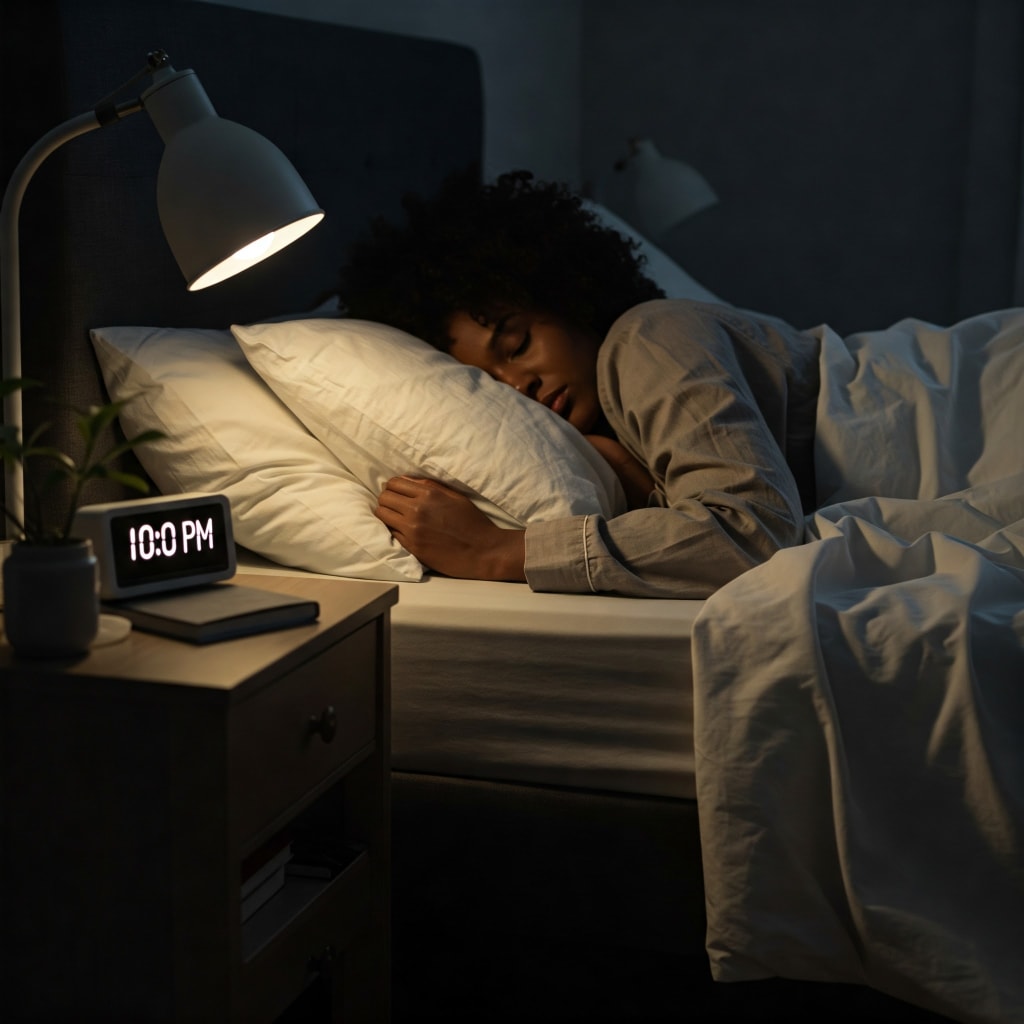
Sleep is super important for our bodies and our minds. When we sleep well, we feel better, think clearer, and have more energy. But sometimes, it can be hard to get a good night's sleep. That's where sleep hygiene comes in.
Sleep hygiene is just a fancy way of saying good sleep habits. It's all about creating a routine and a comfortable environment that helps you fall asleep easily and stay asleep all night. It's like taking care of your teeth – you do it every day to keep them healthy, and you can do things every day to keep your sleep healthy too.
Why is Good Sleep Hygiene Important?
When we don't get enough sleep, it can affect us in many ways. We might feel tired and grumpy, have trouble focusing, and even get sick more easily. Over time, not getting enough sleep can lead to more serious problems, like high blood pressure, heart problems, and even depression.
Good sleep hygiene can help us avoid these problems and feel our best. When we sleep well, we wake up feeling refreshed and ready to take on the day. We can think more clearly, make better decisions, and have more energy to do the things we enjoy.
Creating a Good Sleep Routine
One of the most important parts of sleep hygiene is having a regular sleep routine. This means going to bed and waking up at the same time every day, even on weekends. This helps your body's natural sleep-wake cycle, called your circadian rhythm, get into a regular pattern.
* Set a bedtime and wake-up time: Choose a time that allows you to get enough sleep. Most adults need around 7-9 hours of sleep each night.
* Stick to your schedule: Even if you don't feel tired, try to go to bed and wake up at the same time. It might be hard at first, but your body will adjust over time.
* Avoid naps (or keep them short): Napping can make it harder to fall asleep at night. If you need to nap, try to keep it short (under 30 minutes) and avoid napping late in the day.
Creating a Relaxing Bedtime Environment
Your bedroom should be a peaceful and comfortable place that's conducive to sleep.
* Keep it dark: Darkness helps your body produce melatonin, a hormone that makes you sleepy. Use blackout curtains or an eye mask to block out light.
* Keep it quiet: Noise can disrupt your sleep. Use earplugs or a white noise machine to block out sounds.
* Keep it cool: Most people sleep best in a cool room, around 60-67 degrees Fahrenheit (15-19 degrees Celsius).
* Make it comfortable: Make sure your mattress and pillows are comfortable and supportive. Use soft, breathable bedding.
Things to Avoid Before Bed
Certain things can interfere with your sleep. It's best to avoid them in the hours before bedtime.
* Caffeine: Caffeine is a stimulant that can keep you awake. Avoid coffee, tea, soda, and chocolate in the afternoon and evening.
* Alcohol: While alcohol might make you feel sleepy at first, it can disrupt your sleep later in the night.
* Large meals: Eating a large meal close to bedtime can make it hard to fall asleep. If you're hungry, have a light snack.
* Screen time: The blue light emitted from phones, tablets, and computers can interfere with melatonin production. Avoid using these devices for at least an hour before bed.
Things to Do Before Bed
Instead of things that keep you awake, try to do things that help you relax before bed.
* Take a warm bath or shower: The change in body temperature can help you feel sleepy.
* Read a book: Reading a relaxing book can help you wind down.
* Listen to calming music: Soft music can help you relax and fall asleep.
* Practice relaxation techniques: Deep breathing, meditation, or yoga can help you calm your mind and body.
* Write in a journal: Writing down your thoughts and feelings can help you clear your mind before bed.
If You Still Can't Sleep
Sometimes, even with good sleep hygiene, you might still have trouble falling asleep or staying asleep. If this happens, don't get frustrated. Getting upset can actually make it harder to fall asleep.
* Get out of bed: If you've been trying to fall asleep for more than 20 minutes, get out of bed and do something relaxing in another room. Read, listen to music, or do some deep breathing. Go back to bed when you feel sleepy.
* Don't watch the clock: Watching the clock can make you feel more anxious about not being able to sleep.
* Talk to your doctor: If you're having trouble sleeping regularly, talk to your doctor. They can help you figure out what's causing your sleep problems and recommend treatment options.
Sleep hygiene is a process, not a quick fix. It takes time and effort to develop good sleep habits. But the benefits are worth it. When you make sleep a priority, you'll feel better, think clearer, and have more energy to enjoy life. Remember to be patient with yourself, and celebrate the small steps you take towards better sleep.
About the Creator
Saim Bill
I’m a passionate article writer who loves sharing ideas, stories, and insights with the world.
Top 10 Questions to Ask Every Perth NDIS Service Before You Engage Them
Choosing the right National Disability Insurance Scheme (NDIS) provider shapes the quality of care, independence, and outcomes a participant experiences. In Perth, families and participants face a growing number of service options, which makes informed decision-making essential.
By Anshul Vijay3 days ago in Lifehack




Comments
There are no comments for this story
Be the first to respond and start the conversation.