
From Clinic to Cloud: Dr. Brian Worden Brings Evidence-Based Tinnitus Relief to the Masses
Dr. Brian Worden


In a healthcare system that often fails to support people with chronic conditions, Brian Worden, MD, FACS is stepping up to fill a crucial void. A practicing ENT physician and tinnitus specialist since 2009, Dr. Worden has seen firsthand how neglected tinnitus patients are—and he’s doing something about it.
Dr. Worden completed medical school at UCSF, one of the country’s leading academic institutions, followed by a competitive ENT residency at Stanford University. His clinical expertise spans all aspects of ear, nose, and throat medicine, but tinnitus—persistent sound perception with no external source—has become his professional passion.
“In Los Angeles, I was treating patients with tinnitus every day, but the tools available to me were woefully inadequate,” he recalls. “I started asking: Why are effective treatments so hard to find?”

That question led him on a five-year journey to develop Alleviate Tinnitus Therapy, an online program designed to bring high-quality, research-backed tinnitus treatment to people across the country. At its core, the program is built on the principles of cognitive behavioral therapy, mindfulness, sound therapy, and lifestyle modifications—all of which are supported by robust clinical evidence but are rarely accessible through traditional health insurance networks.
Tinnitus, affecting nearly one in four Americans, can be profoundly disabling. Its chronic presence can cause sleep disturbances, mental health challenges, and reduced work performance. While tinnitus itself is not life-threatening, its psychological toll can be severe. Unfortunately, in the U.S. healthcare system, tinnitus treatment is often sidelined due to poor reimbursement and limited specialist training. Adding to the challenge, many people suffering from tinnitus are told by their healthcare providers that there is nothing that can be done to help them. Often this narrative amplifies the tinnitus-related distress, making the afflicted feel helpless. In truth, however, there are a number of treatment strategies that have been shown in clinic research studies to reduce the severity of tinnitus. They just aren’t readily available in the United States.
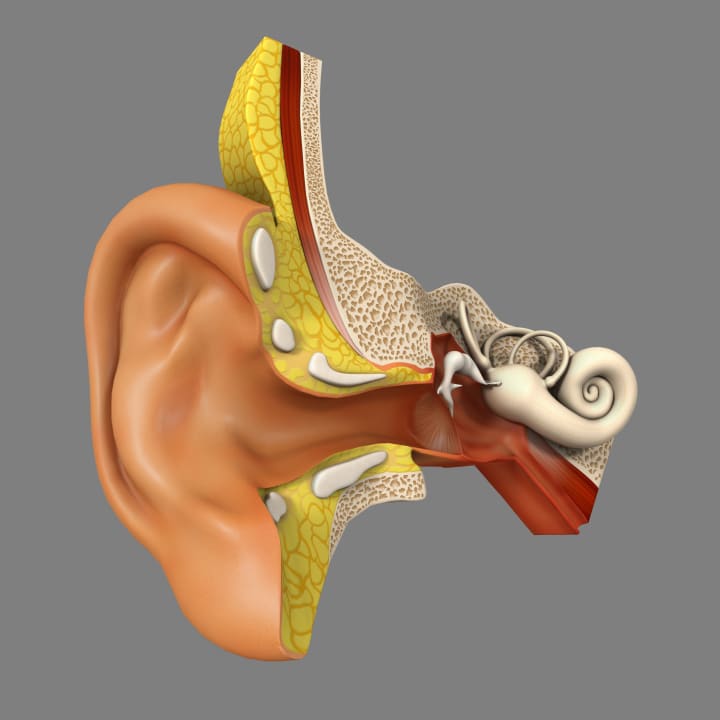
“This isn’t a fringe issue,” Dr. Worden emphasizes. “Millions of people are suffering, and they’re being told to ‘just live with it.’ That’s unacceptable.”
His platform, Alleviate Tinnitus Therapy, offers a structured, affordable path forward. Designed for individuals with varying levels of tinnitus severity, the program includes guided lessons, therapy exercises, and tools to help users rewire their brain’s response to the sound—a process known as beneficial neuroplasticity. The fact that the program is available online or as a downloadable app dramatically expands access to this high quality, effective, evidence-based tinnitus treatment. Tinnitus therapy approaches previously only available at certain academic medical centers or specialized facilities are now available to anyone with an internet connection.
In March 2025, Dr. Worden presented on this very topic at the Treble Health Tinnitus Relief Summit. His lecture, “Promoting Beneficial Neuroplasticity in Tinnitus Treatment,” was met with enthusiasm from both clinicians and patients. He detailed how the brain is very capable of tuning out the tinnitus signal. Harnessing the power of neuroplasticity, we can retrain the brain to recognize the tinnitus signal as nonthreatening and unimportant so it can be naturally tuned out of one’s conscious awareness.

Dr. Worden’s voice in the tinnitus community has also been amplified through the Treble Health Tinnitus Podcast, hosted by Dr. Ben Thompson. In a recent episode, he delved into the neurological underpinnings of tinnitus and outlined practical steps sufferers can take today to begin feeling better.
And his influence is growing. In Summer 2025, his article exploring the relationship between migraines and tinnitus will be featured in Tinnitus Today Magazine, the flagship publication of the American Tinnitus Association. This contribution reflects his broader interest in how systemic conditions—like migraine—can impact tinnitus perception and severity.
On social media, Dr. Worden regularly connects with patients, clinicians, and wellness advocates, offering updates from his research, success stories from his program, and digestible content aimed at demystifying tinnitus treatment.
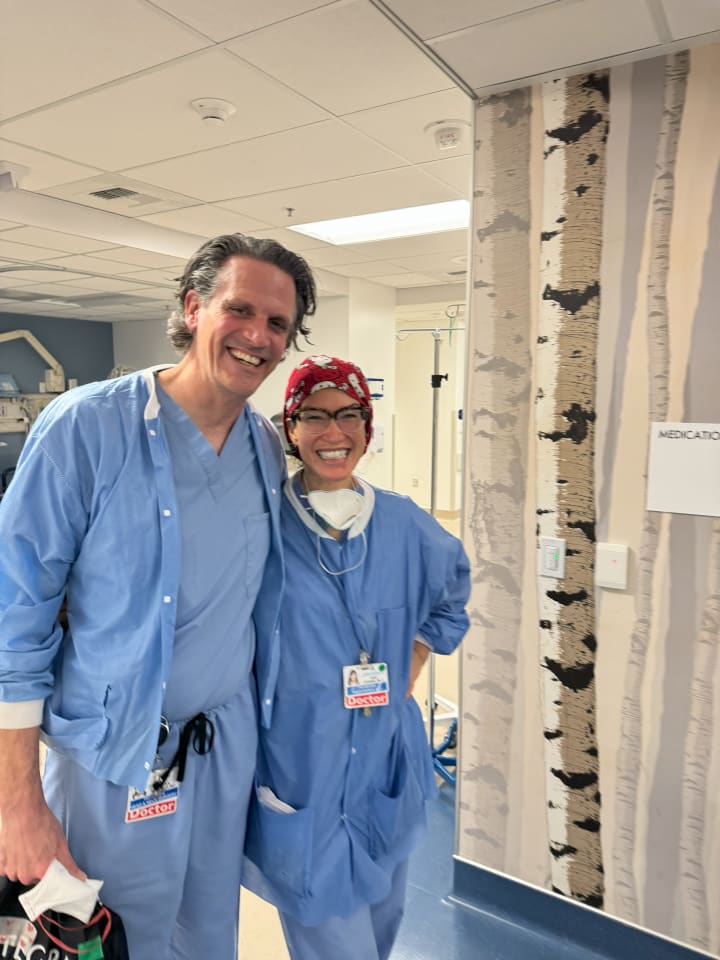
“Our brains are adaptable,” he says. “We just need to give them the right tools—and give people the confidence to take charge of their healing journey.”
Through digital innovation and clinical rigor, Dr. Worden is changing what’s possible for people living with tinnitus. In doing so, he’s proving that even in a flawed system, meaningful change can start with one physician who refuses to settle for “there’s nothing we can do.”
About the Creator
I Wasted Years Doing This the Hard Way
By: Tazamain Khan For the longest time, I believed that doing things the hard way was something to be proud of. I equated exhaustion with dedication and pain with progress. If I wasn’t tired, stressed, or overwhelmed, I assumed I wasn’t trying hard enough. Somewhere along the way, struggle became my standard for success.
By Tazamain khan a day ago in Lifehack




Comments
There are no comments for this story
Be the first to respond and start the conversation.