
Failure & Success
Why Failure is Essential for Success and How to Learn from it

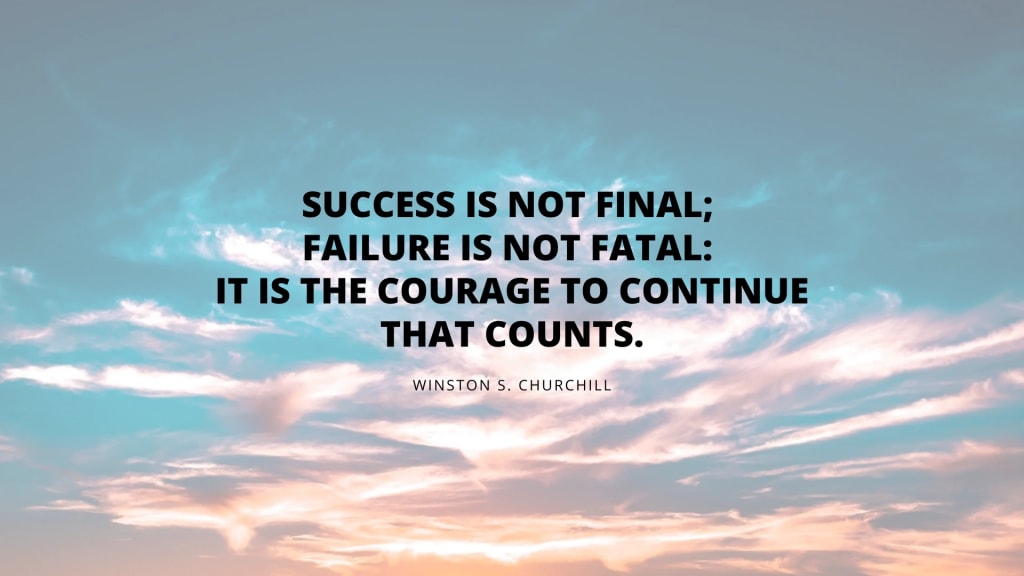
Failure is an inevitable and necessary part of life. No matter how hard we try, how much effort we put in, or how much we plan, things can still go wrong. But failure should not be seen as a negative experience, because it can provide us with valuable lessons and insight that can lead us to future success.
Why Failure is Essential for Success
One of the most important reasons why failure is essential for success is that it teaches us resilience. Resilience is the ability to recover from setbacks and to keep moving forward, even when things seem impossible. When we experience failure, we are forced to confront our mistakes and figure out how to move forward. This can be a painful experience, but it can also be a very rewarding one, because it helps us to develop the resilience that we need to succeed in life.
Another reason why failure is essential for success is that it allows us to learn from our mistakes. When we fail, we have an opportunity to analyze what went wrong and to figure out how we can do better in the future. This process of self-reflection and self-improvement is critical for achieving success in any area of life.
Moreover, failure can provide us with valuable feedback. Feedback is essential for growth, because it helps us to understand what we are doing well and what we need to improve. Failure can be a powerful source of feedback, because it forces us to confront our mistakes and to identify what we need to do differently in the future.
In addition, failure can help us to develop a growth mindset. A growth mindset is the belief that our abilities and intelligence can be developed over time through dedication and hard work. People with a growth mindset embrace challenges and see failure as an opportunity to learn and grow. They understand that success is not just about innate talent but also about perseverance, hard work, and the willingness to learn from failure.
How to Learn from Failure
Learning from failure requires a combination of self-reflection, feedback, and a growth mindset. Here are some steps you can take to learn from failure:
1. Reflect on what went wrong. When you experience failure, take a step back and try to analyze what happened. Ask yourself questions like, "What went wrong?" and "What could I have done differently?" Be honest with yourself and try to identify the mistakes you made.
2. Seek feedback from others. Ask colleagues, mentors, or coaches for their feedback on what went wrong and how you can improve. Be open to constructive criticism and try to learn from the insights of others.
3. Develop a plan for improvement. Once you have identified the mistakes you made and received feedback from others, develop a plan for how you can do better in the future. Set specific, measurable goals and create a plan for how you will achieve them.
4. Embrace a growth mindset. Remember that failure is not a reflection of your innate abilities or intelligence. Rather, it is an opportunity to learn and grow. Embrace a growth mindset and focus on the process of self-improvement, rather than the outcome.
5. Take action. Finally, take action on your plan for improvement. Don't be afraid to try new things, take risks, and make mistakes. Remember that failure is an essential part of the learning process, and that the only way to achieve success is to keep moving forward.
Conclusion
In conclusion, failure is an essential component of success. It teaches us resilience, provides us with feedback, and helps us to develop a growth mindset. To learn from failure, we need to engage in self-reflection, seek feedback from others, develop a plan for improvement, embrace a growth mindset, and take action. With these skills, we can turn failure into a stepping stone for success.
About the Creator
Keep reading
More stories from Salman Ahmad and writers in Lifehack and other communities.
Selfcare
Self-care is essential for maintaining physical, mental, and emotional health. It is the act of taking deliberate actions to care for oneself, both physically and mentally. Self-care activities can include exercise, healthy eating, adequate sleep, meditation, relaxation, socializing, and pursuing hobbies and interests.
By Salman Ahmad3 years ago in Motivation
Is Maybank Replacing MAE? A Long‑Time User’s Honest Take
Ever feel like every time you finally get comfy with a banking app… they kill it and “upgrade” you into chaos? That’s exactly the fear bubbling up now with Maybank planning a new app that might replace MAE—and honestly, you’re not crazy for feeling uneasy about it.
By Anie the Candid Writer Abroad6 days ago in Lifehack
Winter Storm Updates: Heavy Snow, Crippling Ice and Frigid Temperatures Forecast to Hit More Than Two Dozen States This Weekend
A major winter storm is taking shape and poised to unleash heavy snow, widespread ice, dangerous travel conditions, and brutally cold temperatures across a vast swath of the United States this weekend. Meteorologists say this system could become one of the most impactful storms of the winter season, affecting millions of people from the Southern Plains all the way to the Northeast.
By Salaar Jamali4 days ago in Lifehack




Comments
There are no comments for this story
Be the first to respond and start the conversation.