
FAD Diet: The Diet Mirage
Unveiling the Illusion of Quick Fixes
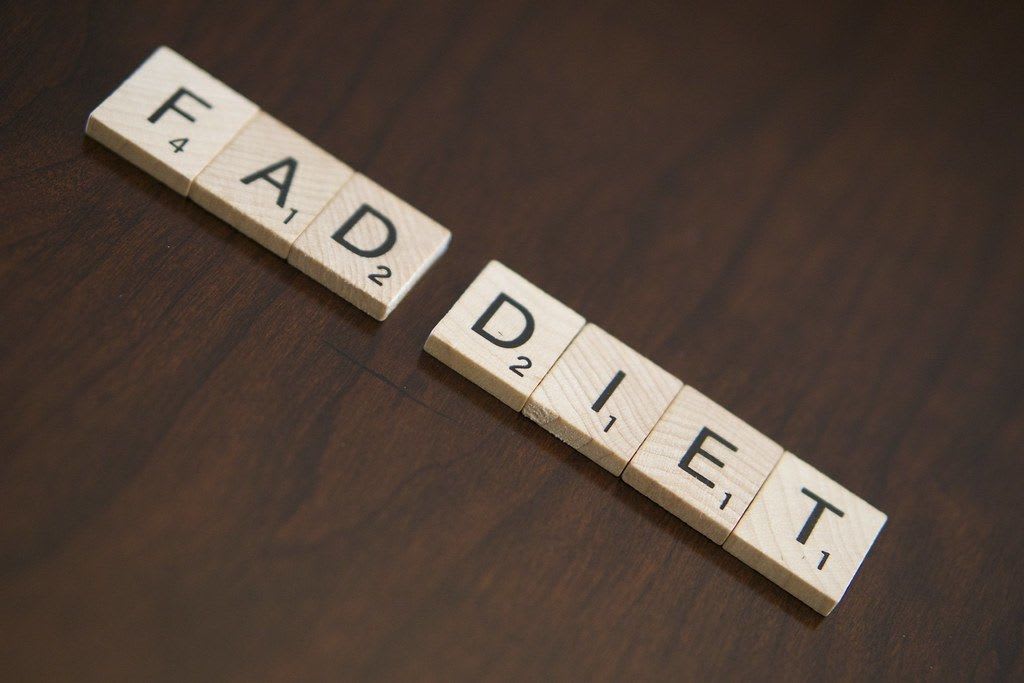
Fad diets refer to temporary, trendy eating plans that promise quick weight loss or improved health through specific dietary rules or restrictions. These diets often gain popularity through media exposure or celebrity endorsements. While they may offer short-term results, they are not based on sound scientific evidence or long-term sustainability. Here are some examples of popular fad diets:
1. Keto Diet: The ketogenic diet is a low-carbohydrate, high-fat diet that aims to shift the body into a state of ketosis, where it burns fat for fuel instead of carbohydrates. It involves drastically reducing carbohydrate intake and increasing fat consumption. While it has shown short-term weight loss benefits for some individuals, it can be challenging to sustain and may lead to nutrient deficiencies.
2. Paleo Diet: The paleolithic diet, also known as the caveman diet, emulates the presumed dietary patterns of early humans. It focuses on whole, unprocessed foods and eliminates grains, legumes, dairy, and processed foods. While it encourages the consumption of nutrient-dense foods, critics argue that the exclusion of entire food groups may lead to inadequate nutrient intake and lack of dietary variety.
3. Detox or Cleanse Diets: These diets promote the idea of detoxifying or cleansing the body by eliminating certain foods or following strict juice fasts or liquid diets. They claim to eliminate toxins and promote weight loss. However, the body's natural detoxification processes are well-equipped, and these diets often lack essential nutrients. They are typically not sustainable or supported by scientific evidence.
4. Atkins Diet: The Atkins diet is a low-carbohydrate diet that emphasizes high protein and fat intake. It involves several phases, with the initial phase being extremely low in carbohydrates. While it may result in initial weight loss, it restricts certain food groups and may not provide a balanced intake of essential nutrients in the long term.
5. Gluten-Free Diet: A gluten-free diet involves avoiding foods that contain gluten, a protein found in wheat, barley, and rye. It is essential for individuals with celiac disease or gluten sensitivity. However, many people without these conditions adopt a gluten-free diet as a weight-loss strategy, despite the lack of scientific evidence supporting its effectiveness for weight loss.
Fad diets have gained significant popularity in recent years, promising quick and effortless weight loss and improved health. While they may offer short-term results, it's important to consider both the pros and cons before embarking on any fad diet.
Pros:
1. Rapid Weight Loss: One of the main advantages of fad diets is the potential for quick weight loss. Many fad diets restrict certain food groups or drastically reduce calorie intake, leading to initial rapid weight loss. This can be appealing for individuals seeking immediate results or looking to jump-start their weight loss journey.
2. Simplified Meal Plans: Fad diets often come with predetermined meal plans or specific guidelines, which can make meal planning and preparation more straightforward. This can be helpful for individuals who struggle with making healthy food choices or lack knowledge about nutrition.
3. Increased Awareness of Eating Habits: Following a fad diet may help individuals become more aware of their eating habits and the impact of certain foods on their bodies. This can encourage healthier eating choices and a greater focus on nutrition.
Cons:
1. Unsustainability: Many fad diets are highly restrictive, eliminating entire food groups or severely limiting calorie intake. This can be challenging to maintain in the long run and may lead to feelings of deprivation, which can ultimately result in binge eating or yo-yo dieting.
2. Nutritional Imbalance: Fad diets often prioritize specific foods or exclude essential nutrients, which can lead to nutritional imbalances. Eliminating entire food groups can deprive the body of vital vitamins, minerals, and macronutrients, potentially leading to deficiencies and health complications.
3. Lack of Individualization: Fad diets typically offer a one-size-fits-all approach without considering individual differences in metabolism, body composition, and dietary needs. Each person has unique nutritional requirements, and following a fad diet may not adequately address these individual needs.
4. Short-Term Focus: Fad diets often prioritize short-term weight loss goals rather than long-term sustainable lifestyle changes. This can create a cycle of repeated dieting, weight loss, and weight regain, commonly known as yo-yo dieting, which can be detrimental to overall health and well-being.
5. Potential Health Risks: Some fad diets may pose health risks, especially those that severely restrict calorie intake or promote excessive consumption of certain foods or supplements. Rapid weight loss can strain the body and lead to nutrient deficiencies, muscle loss, and decreased metabolism.
It's important to remember that a balanced and sustainable approach to nutrition and overall wellness is key.
It's crucial to approach any dietary plan with caution, considering its nutritional adequacy, sustainability, and long-term effects on overall health. Consulting with a registered dietitian or healthcare professional can provide personalized guidance in adopting a balanced and sustainable approach to eating.
About the Creator
Oolong Tea Steeping Guide: Time, Temperature and Techniques
Oolong tea is often hailed as one of the most complex and flavorful types of tea. It falls somewhere between green and black tea, offering a delightful range of tastes that vary depending on the way it’s processed and brewed.
By Dennis W. Fowler5 days ago in Lifehack
Living in North Potomac, Maryland: What Daily Life Really Looks Like
North Potomac, Maryland, is a community defined by calm routines, strong neighborhood identity, and a lifestyle shaped more by balance than by urgency. Unlike nearby urban centers, North Potomac offers a quieter rhythm that appeals to families, remote workers, and long-term residents looking for stability and space. Daily life here revolves around planning, community awareness, and making the most of a suburban environment that values comfort and organization.
By House Doctor5 days ago in Lifehack
Dead and Wearing Green
She was wearing that green dress when I first saw her, five years ago to the day. Flowing meadow fabric draped over long legs, thick auburn hair flowing down her back. That smile. Of course, she is still beautiful now. But now she is no longer alive.
By Karen Cave5 days ago in Fiction




Comments
There are no comments for this story
Be the first to respond and start the conversation.