
I Tried to Become the Perfect Person — It Destroyed Me
A powerful emotional story about perfectionism.
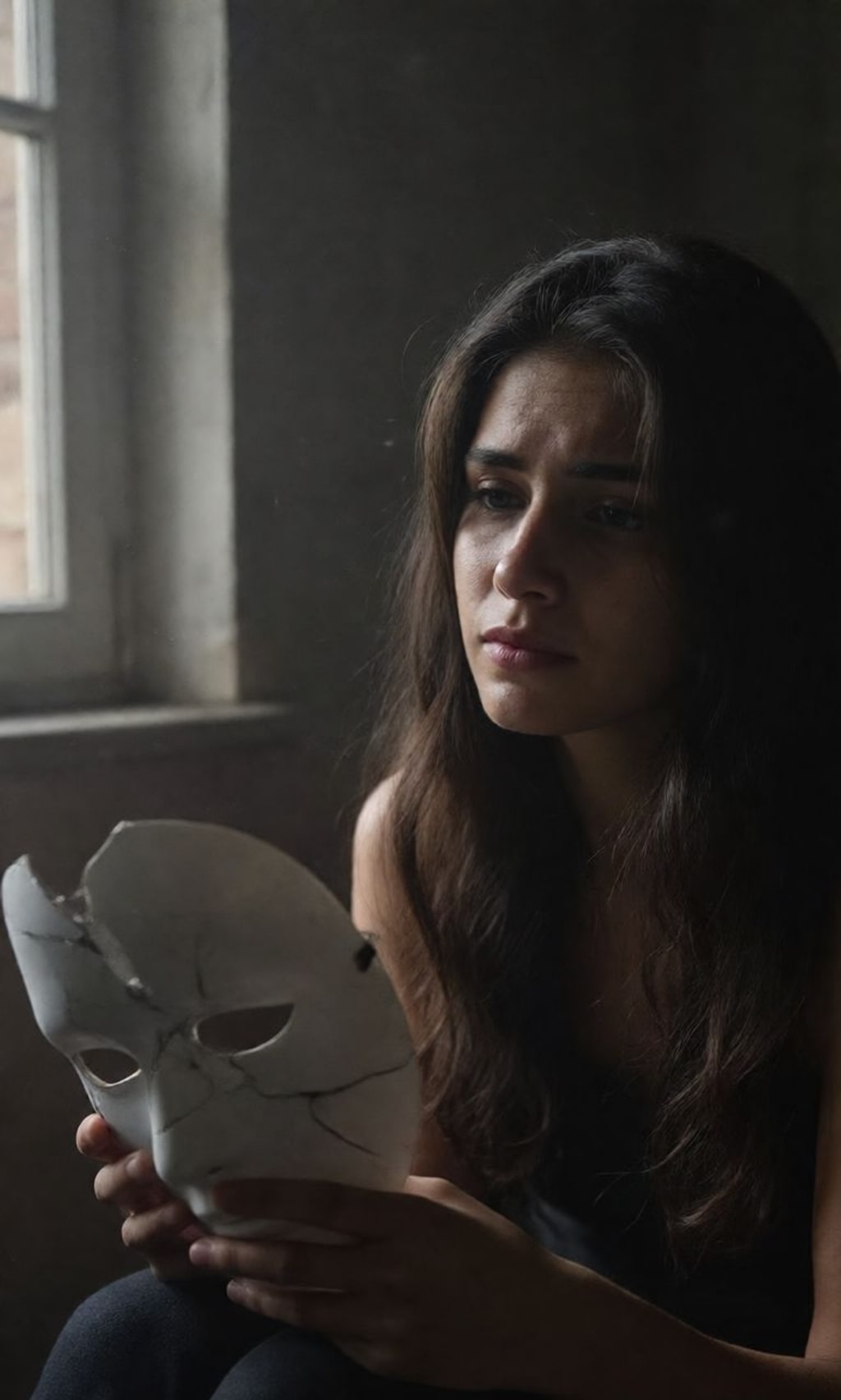
I Tried to Become the Perfect Person — It Destroyed Me
For most of my life, I believed that if I could just become perfect, everything would finally fall into place.
People would admire me. Opportunities would appear. I would feel proud of who I was.
And most importantly, I thought I would finally feel enough.
That belief quietly shaped almost every decision I made.
It started small, the way these things usually do. As a child, I learned very quickly that praise came when I did things right. Good grades meant smiles from teachers. Being polite meant approval from adults. Staying quiet and responsible meant I was called “mature for my age.”
At first, it felt good. Being the “good one” made life easier.
But over time, something changed.
I stopped doing things because I enjoyed them. I started doing them because they made me look good.
I studied harder than everyone else, not because I loved learning, but because failure felt unbearable. I carefully chose my words in conversations so I wouldn’t sound foolish. I avoided risks because mistakes were embarrassing, and embarrassment felt like proof that I wasn’t good enough.
Slowly, my life became less about living and more about maintaining an image.
The image of the perfect person.
From the outside, things looked fine. Maybe even impressive.
I was responsible. Organized. Reliable. The person people trusted. The person teachers praised. The person friends came to for advice.
But inside, something felt wrong.
Every success came with relief rather than happiness. I wasn’t proud of my achievements. I was simply relieved that I hadn’t failed.
And every mistake felt enormous.
A small error could ruin my entire day. A bad grade, a misunderstanding, a moment where I said the wrong thing — these moments stayed in my mind for weeks.
I replayed them endlessly, wondering how a “perfect” person could have messed up.
The strange thing about perfection is that the closer you try to get to it, the more impossible it becomes.
Because perfection doesn’t have a finish line.
There is always another flaw to fix. Another skill to master. Another expectation to meet.
I kept raising the standard for myself.
If I succeeded once, the next time had to be even better. If someone praised me, I had to prove they were right. If someone doubted me, I had to prove them wrong.
There was never a moment where I could simply exist and feel satisfied.
Eventually, the pressure started to crack something inside me.
I became exhausted in a way sleep couldn’t fix.
Not physical exhaustion — emotional exhaustion.
The kind that makes even simple tasks feel heavy.
I remember one night sitting alone, staring at my desk, surrounded by unfinished work. My mind was full of thoughts about everything I hadn’t done perfectly.
And suddenly, I realized something terrifying.
I didn’t know who I was anymore.
I knew the version of myself that performed well. The version that impressed people. The version that avoided mistakes.
But the real person underneath all of that?
I had no idea.
For years, I had been building a person that looked perfect on the outside, while quietly ignoring what I actually felt, wanted, or needed.
The realization hit me like a quiet collapse.
I had spent so much energy trying to become the ideal version of myself that I had forgotten how to be human.
And humans are not perfect.
We make mistakes. We change our minds. We fail. We learn slowly. Sometimes we disappoint people.
Sometimes we disappoint ourselves.
For a long time, I thought those things were weaknesses.
Now I understand they are simply part of being alive.
The day I stopped trying to be perfect wasn’t dramatic. There was no sudden transformation, no inspirational moment where everything changed.
It was smaller than that.
I allowed myself to fail at something and didn’t punish myself for it.
I spoke honestly even when I worried someone might disagree.
I rested without feeling like I had to earn it.
At first, it felt uncomfortable — almost wrong.
Perfection had been my identity for so long that letting go of it felt like losing control.
But slowly, something unexpected happened.
Life became lighter.
I laughed more easily. I felt less afraid of trying new things. Conversations became more genuine because I wasn’t constantly editing myself.
I also started noticing something surprising about other people.
No one was actually expecting perfection.
Most people were just trying to figure things out, just like I was.
The pressure I had lived under for years wasn’t coming from the world as much as it was coming from inside my own mind.
That realization changed everything.
I’m still learning how to live without chasing perfection.
Some days the old habits return. I still feel the urge to prove myself, to control every outcome, to avoid every possible mistake.
But now I recognize those thoughts for what they are — echoes of an old belief.
A belief that said my worth depended on how flawless I could appear.
It took me years to understand that perfection isn’t strength.
In many ways, it’s fear disguised as ambition.
The fear of rejection.
The fear of failure.
The fear of not being enough.
Ironically, the moment I stopped trying to be perfect was the moment I started becoming more real.
And for the first time in a long time, that felt like enough.Start writing...
About the Creator
Keep reading
More stories from Faizan Malik and writers in Lifehack and other communities.
I Deleted Social Media for 30 Days — Something Strange Happened”
I didn’t delete social media because I was strong. I deleted it because I was tired of feeling small. It wasn’t dramatic. No big announcement. No “digital detox” post for attention. Just a quiet Sunday night, my thumb hovering over the apps that had become muscle memory. Instagram. TikTok. Snapchat. Delete. Delete. Delete. Thirty days, I told myself. Just thirty days. The first morning felt wrong. I woke up and reached for my phone before my eyes were fully open. My thumb searched for colors that weren’t there. For a second, I felt panic — like I had lost something important. But there were no notifications. No red dots waiting for me. Just my lock screen staring back, silent. The silence was louder than I expected. The first week was the hardest. I didn’t realize how often I escaped into scrolling. Five minutes turned into an hour without noticing. Every small pause in my day used to be filled instantly — standing in line, sitting in the car, even brushing my teeth. Without social media, those moments stretched longer. Uncomfortable. Exposed. I felt bored. But underneath boredom was something else. Restlessness. I kept wondering what I was missing. What jokes were trending. Who posted what. Whether someone was thinking about me. It felt like I had stepped out of a room where everyone else was still laughing together. The strange thing is, after about ten days, something shifted. My thoughts got louder. Not in a scary way. Just… clearer. Without constant input, my brain didn’t know what to do at first. It tried to replay old conversations. Embarrassing memories. Things I said years ago. It was like my mind had been waiting for quiet to finally speak. And that’s when it happened. I started noticing how often I compared myself. Not because I saw someone else’s highlight reel — but because the habit was still inside me. Even without the apps, my brain automatically imagined what other people were doing. Who was ahead. Who was succeeding. Who was happier. It was like social media had moved into my head. That realization scared me. Deleting the apps didn’t delete the mindset. It just removed the distraction. By week two, the comparison slowly softened. I stopped thinking about what others were posting because I genuinely didn’t know. The invisible race I thought I was running began to feel… optional. Time started behaving differently. Evenings felt longer. I finished tasks faster. I read pages without reaching for my phone every few minutes. I noticed small things — the way light changed in my room at sunset, the sound of my own breathing when everything was quiet. It sounds simple. But it felt strange. One night, I sat alone without music, without a screen, just thinking. I realized I couldn’t remember the last time I had done that without feeling anxious. I expected loneliness. Instead, I felt something closer to relief. But the strangest thing wasn’t the quiet. It was how people reacted. Some friends didn’t notice at all. Some thought I was upset with them. A few said, “I wish I could do that,” like it was some extreme challenge instead of a small decision. It made me realize how deeply connected we all are to being visible. Without posting, I felt invisible at first. Like I had disappeared from the world. But after a while, I began to question something uncomfortable: Was I living for experiences — or for documenting them? There were moments during those thirty days when I instinctively wanted to take a picture. Not because the moment was beautiful, but because it would look beautiful online. When I couldn’t post it, something interesting happened. The moment stayed mine. No angle. No caption. No waiting for likes. Just me experiencing it. And that felt… different. Cleaner. By week three, my mood felt more stable. Fewer emotional spikes. Less subconscious pressure. I wasn’t constantly reacting to other people’s lives. I wasn’t absorbing hundreds of opinions before breakfast. My mind felt like it had space again. But here’s the strange part no one talks about: I started feeling scared to go back. Not because social media is evil. Not because it ruins everything. But because I had tasted what my mind felt like without constant noise. I liked who I was becoming in the quiet. I slept better. I woke up slower. I wasn’t measuring my mornings by notifications anymore. I wasn’t thinking about how I looked, how I sounded, how I compared. I was just existing. And existing without performance felt foreign. On day thirty, I stared at the download button. I expected excitement. Instead, I felt hesitation. Would I lose this calm? Would I fall back into the same habits? I realized something important: the strange thing that happened wasn’t supernatural. It wasn’t dramatic. It wasn’t that my life changed completely. It was that I met myself again. The version of me that thinks slowly. That doesn’t need validation to feel real. That doesn’t constantly check if someone else is doing better. Deleting social media didn’t fix my insecurities. But it showed me which ones were truly mine — and which ones were borrowed. That was the strange part. The noise wasn’t just outside. It had been shaping me quietly for years. Thirty days didn’t make me perfect. I still compare. I still scroll sometimes. I still care. But now I know what silence feels like. And once you hear your own thoughts clearly, it’s hard to pretend you don’t. Maybe the real question isn’t what happens when you delete social media. Maybe it’s what you’ve been avoiding hearing all along.
By Faizan Malik27 days ago in Lifehack
TUS NUA - ch 53
TUS NUA – ch 53 New Beginnings – Mia and Midnight (*)(*)(*) Finola knew Ali’s brother-in-law needed to put his mind at rest. She fed her arm through his and led him outside. “We’ll sit here. If you like, I can put a block around us so our conversation will be private.”
By Margaret Brennan4 days ago in Fiction


Comments
There are no comments for this story
Be the first to respond and start the conversation.