
Excessive Nausea and Vomiting: Could High Pregnancy Hormones Be To Blame?
The Role of Hormones in Nausea and Vomiting During Pregnancy

Nausea and vomiting in early pregnancy may indicate an increase in hormones essential for maintaining a healthy pregnancy. Studies indicate that these symptoms might be influenced by a hormone during pregnancy produced by the placenta, known as human chorionic gonadotropin (hCG).
The production of hCG hormone during pregnancy starts shortly after a fertilized egg attaches to the uterine lining. Individuals experiencing severe morning sickness, referred to as hyperemesis gravidarum, typically have elevated levels of hCG compared to those with milder symptoms. Furthermore, pregnant individuals expecting twins or multiples also exhibit higher hCG levels and are more prone to morning sickness. Additionally, oestrogen is another hormone during pregnancy that has been associated with more severe cases of morning sickness.
The Relation Between Elevated Hormones during Pregnancy and Hyperemesis Gravidarum
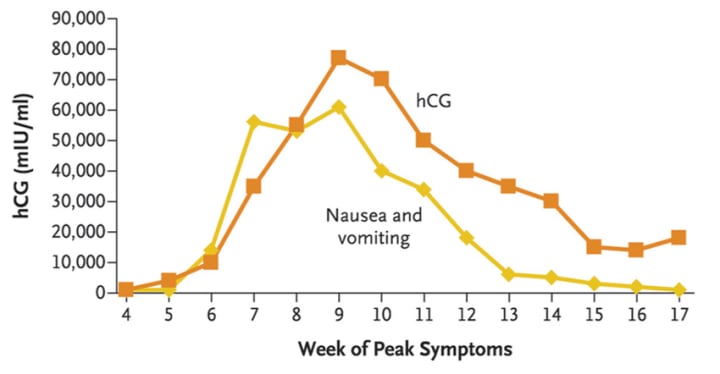
Hyperemesis gravidarum (HG) is a pregnancy complication characterized by severe nausea and excessive vomiting that typically begins in the early 4th week and ends in the 22nd week of gestation. It is estimated to affect approximately 0.3% to 2% of pregnant women. If left untreated, HG can lead to significant health risks for both the mother and the fetus, including dehydration, electrolyte imbalances, nutritional deficiencies, and in severe cases, hospitalization.
Hormones during pregnancy play a significant role in the severity of nausea. Human chorionic gonadotropin (hCG) hormones levels during pregnancy typically stay at peak in the first trimester i.e. first 12 weeks. The highest levels of hCG are generally observed between 8 to 12 weeks of gestation, often reaching around 100,000 to 200,000 mIU/mL, depending on individual circumstances. Symptoms associated with high hCG levels hormones during pregnancy can include severe nausea and vomiting, fatigue, and abdominal discomfort. Additionally, women experiencing elevated hCG may report increased breast tenderness and heightened emotional sensitivity.
Consequences of Untreated Hyperemesis Gravidarum

● Dehydration: Excessive vomiting can lead to a loss of fluids and electrolytes, which can be detrimental to both maternal and fetal health.
● Nutritional Deficiencies: Prolonged nausea and vomiting may prevent pregnant individuals from consuming adequate nutrition, leading to deficiencies that can affect fetal development.
● Weight Loss: Significant weight loss can occur, which may result in low birth weight for the baby and other complications.
● Psychological Impact: The stress and discomfort associated with HG can lead to anxiety and depression, further complicating the pregnancy experience.
Foods That Alleviate Nausea During Pregnancy
Including these foods in your diet, you may find effective relief from nausea while nourishing both yourself and your baby
● Easy-to-Digest Foods: Options like bananas, rice, applesauce, and toast are gentle on the stomach and can help provide relief.
● High-Protein Choices: Foods such as chicken, peanut butter, and beans can stabilize blood sugar levels and reduce nausea.
● Cold Beverages and Snacks: Smoothies and almond milk are refreshing alternatives that may be easier to consume when feeling nauseous.
● Ginger: Known for its anti-nausea properties, ginger can be enjoyed in various forms, including tea or ginger ale.
● Carbonated Drinks: Sipping on carbonated beverages can help alleviate feelings of nausea and settle the stomach.
● Herbal Teas and Broth: These provide hydration and warmth, offering comfort during bouts of nausea.
● Hydrating Fruits and Vegetables: Watermelon and cucumbers are high in water content, helping to keep you hydrated.
● Citrus Fruits: Oranges and lemons can invigorate the senses and may help soothe nausea with their refreshing flavours.
● Peppermint: This herb is effective in calming the stomach and can be consumed as tea or in candy form.
● Vitamin B6-Rich Foods: Incorporating foods like salmon and avocados can support overall health and help alleviate nausea.
When to Seek Medical Advice for Severe Nausea and Vomiting During Pregnancy

Symptoms like nausea and vomiting are encountered in the first trimester caused by several hormones secrets during pregnancy. At this time doctors advise observing and monitoring pregnant women as the time is crucial and they might show symptoms of pregnancy complications. Similarly, hyperemesis gravidarum is a condition that requires medical attention.
Key warning signs to monitor:
● Dehydration: Symptoms such as dark urine, infrequent urination, and dizziness upon standing could indicate dehydration.
● Persistent Vomiting: If you are vomiting multiple times a day and unable to retain any food or liquids, medical care is necessary.
● Blood in Vomit: The presence of blood in your vomit is a serious concern and should be addressed immediately.
● Weight Loss: Significant weight loss due to an inability to eat properly is another red flag.
● Severe Abdominal Pain: Intense stomach pain that causes worry should not be ignored.
● Confusion or Fatigue: Extreme tiredness or feeling disoriented due to dehydration may signal a more serious issue.
Timely intervention can help manage these symptoms, preventing them from affecting overall well-being. Consulting a healthcare provider early on ensures that the hormonal balance during pregnancy, underlying causes are addressed and proper treatments are administered, reducing the impact of severe nausea.
About the Creator
Keep reading
More stories from Riya Chakraborty and writers in Lifehack and other communities.
Discover How to Boost ICSI Success Rate
What Is the Success Rate Of ICSI Couples who have male infertility factors has successful achieved pregnancy through ICSI treatment with IVF, the fertilisation rate for ICSI are impressively high with 70% to 80% successfully fertilized compare to the normal sperm in IVF process. This high success rate is aligned with the global standards, including comparable ICSI success rate in India.
By Riya Chakrabortyabout a year ago in Men
You're alone, because you're lost
Being alone is a fear that one in three adults face WORLDWIDE. Why? Are we scared to be alone because we are faced with all of our thoughts we once tried to suppress? Or are we scared because we feel uncomfortable? Uncomfortable with the idea of being in a room with just you. You and your nasty thoughts. Thoughts like “Damn I should've apologized”, or “Why hasn't he texted me back?” or “I am a failure”. Yea. those thoughts. The forbidden thoughts that come sneak by the midnight hour, ...if you're lucky. You see loneliness doesn't have to be this way. It all starts with you.
By C⃣ h⃣ a⃣ n⃣ e⃣ l⃣5 days ago in Lifehack




Comments
There are no comments for this story
Be the first to respond and start the conversation.