
Discover How to Boost ICSI Success Rate
Proven Strategies for Higher IVF Success
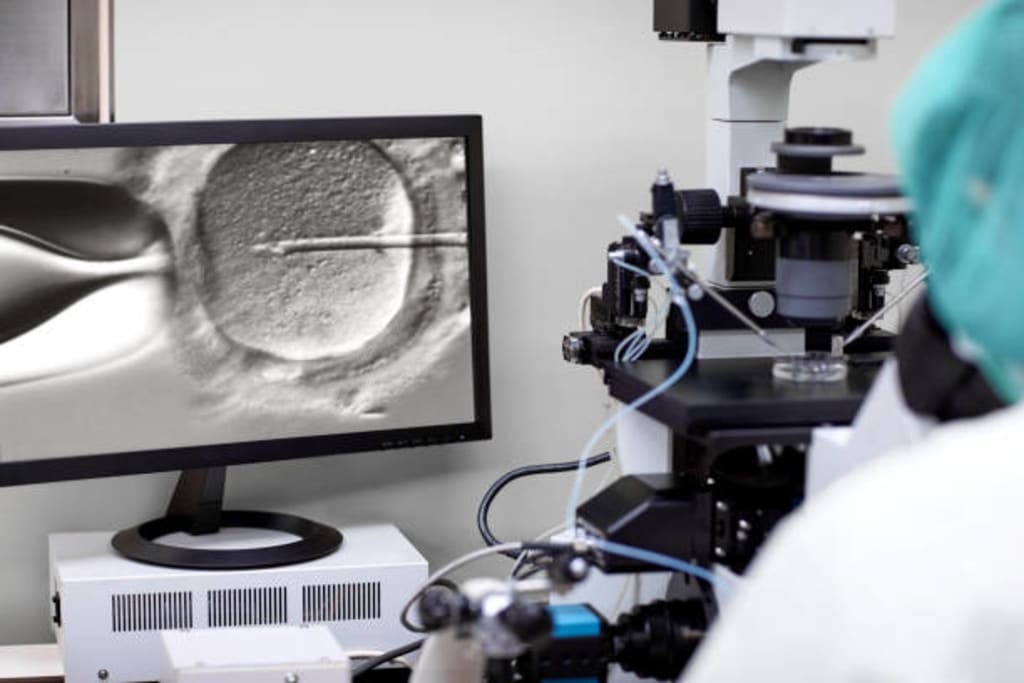
What Is the Success Rate Of ICSI
Couples who have male infertility factors has successful achieved pregnancy through ICSI treatment with IVF, the fertilisation rate for ICSI are impressively high with 70% to 80% successfully fertilized compare to the normal sperm in IVF process. This high success rate is aligned with the global standards, including comparable ICSI success rate in India.
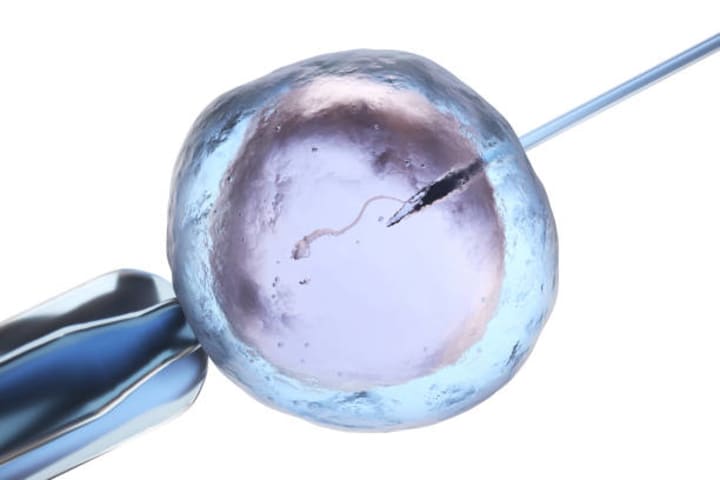
As per the global statistics report, The ICSI is a successful IVF process on the basis of the fertilization rate per eggs is around 70% to 80% because sperms are directly injected into the eggs bypassing many natural obstacles. In ICSI the pregnancy rate is 25% - 45% depending on various factors like cause of infertility, maternal age, and quality of eggs. Ultimately the birth rate with ICSI is 25% - 35% as it depends on the number of embryos transferred and other medical factors of individual.
What Are the Major Factors Related to The Success Rate Of ICSI
Medical History of the couple:
A history of previous unsuccessful IVF cycles may affect the chances of success with ICSI. However, ICSI is often recommended in such cases, especially when the cause of infertility is unclear or due to male factors.
ICSI success rate by age:
- Women age under 30 -35 years show a typical success rate of more than 40%
- Women aged 35 - 37 also have a high chance of 35% - 40 % fertility rate
- From the age 38 - 40, the rate of pregnancy decreases to 30%
- Women over 40 may have a rare chance that is 20 %

When should you consider ICSI
All couples were not recommended who came for fertility treatment. It is typically advised in the following situation
- The couple has experienced at least one unsuccessful IVF cycle
- The male partner has an extremely low sperm count
- The sperm present in the semen exhibit poor mobility, cannot fertilize naturally
- The semen contains anti-sperm antibodies which damage the sperm before fertilization
- The male partner produces sperm, but is not present in the ejaculated semen. Often due to vasectomy reversal or blockage in the vas deferens.
- ICSI is recommended when using frozen sperm for IVF cycle
How To Improve the ICSI Success Rate
Several strategies can be implemented focusing on the lifestyle and medical intervention
1. Optimize sperm quality:
● No Addiction - Accommodating a healthy lifestyle by excluding the addiction such as smoking, alcohol consumption or any kind of recreational drugs can significantly influence your sperm health.
● Healthy Diet & Supplements - A healthy diet rich in antioxidants and vitamins C & E helps to improve the sperm quality and mobility.
2. Enhancing egg quality:
● Manage Stress - High stress can impact hormonal balance and quality of egg. Practice stress management technique such as yoga, meditation, or counselling
● Maintaining a healthy body weight: Both underweight and overweight can negatively affect the quality of egg.
3. Use Advance Testing:
● Preimplantation Genetic Testing (PGT) - PGT can be used to select the healthiest embryos by screening for genetic abnormalities, improving the chances of implantation and reducing the risk of miscarriage.
The success rate of ICSI largely depends on various factors, such as sperm quality, egg health, and overall reproductive health. By focusing on these elements and adopting a healthy lifestyle, couples can significantly boost their chances of conceiving. ICSI, in combination with IVF, is an effective treatment option for overcoming male infertility challenges and improving pregnancy outcomes.
About the Creator
Keep reading
More stories from Riya Chakraborty and writers in Men and other communities.
Azoospermia Treatment
Azoospermia, which refers to the complete lack of sperm in a man’s semen, is a major contributor to male infertility. Affecting around 10% of infertile men globally. Treatment options for azoospermia vary depending on the underlying cause, and advancements in fertility technology, particularly in IVF, have greatly improved the chances of conception for affected individuals. This blog explores various treatment approaches, including costs and the latest innovations, like azoospermia treatment price, and the latest medical treatment of azoospermia.
By Riya Chakrabortyabout a year ago in Men
When Strength Becomes Silence
Subtopics: The Masculinity We Inherited Why Men Struggle to Express Emotions Financial Pressure and Identity Love, Ego, and Vulnerability When Strong Men Break Quietly Redefining Strength in Relationships Building Emotional Safety with Your Partner A New Model of Masculinity
By Benjamin Lumumbaabout 12 hours ago in Men
5 Subtle Signs of Strong Reproductive Vitality in Men
There’s an old saying that the body whispers before it shouts. We’re conditioned to measure health in loud, obvious metrics: the number on a scale, the definition of a bicep, the results of a blood test. But true vitality—the kind that fuels not just daily energy but our very biological potential—often manifests in quieter, more subtle ways.
By namkoong kevin4 days ago in Men




Comments
There are no comments for this story
Be the first to respond and start the conversation.