
"Empowerment: Sarah's Journey Through Women's Reproductive Rights"
Supporters of abortion rights often frame the issue in terms of a woman's right to control her reproductive choices.

Sarah sat in the dimly lit waiting room of the women's health clinic, her fingers nervously tapping the armrest of the chair. She was 21, a college student with dreams of becoming a lawyer, and she had made a decision that would change the course of her life. She was here for an abortion.
Growing up in a conservative community, Sarah had been taught that women's reproductive rights were a taboo subject. Abortion, in particular, was something that was whispered about in hushed tones, as if it were a dark secret. But Sarah had always been a critical thinker, and she believed that women should have control over their own bodies.
Her decision to have an abortion was not made lightly. She had used contraception, but it had failed. She knew that she was not ready to be a mother, and she had dreams and aspirations that she didn't want to give up. Her right to choose was a deeply personal one, and she had agonized over it for weeks.
As she waited for her name to be called, Sarah thought about the women who had fought for reproductive rights before her. She remembered reading about the women who had protested, gone to court, and even risked their lives to secure the right to make decisions about their own bodies. She felt a deep sense of gratitude for their bravery and determination.
Finally, her name was called, and she was led into a small examination room by a kind nurse named Lisa. Lisa could see the anxiety in Sarah's eyes and offered her a reassuring smile. She began to explain the procedure and answer Sarah's questions, making sure she understood every step of the process.
As the procedure began, Sarah couldn't help but feel a mixture of emotions. There was relief that she was taking control of her future, but there was also sadness at the circumstances that had brought her here. Lisa held her hand and whispered words of comfort, reminding her that she was not alone.
After the procedure was over, Sarah was taken to a recovery room where she was joined by other women who had made the same choice. They shared their stories, offering each other support and understanding. It was a safe space where they could talk openly about their experiences without judgment.
Sarah's journey didn't end that day. She knew that the fight for women's reproductive rights was an ongoing one. She decided to become an advocate, speaking out about her experience and advocating for policies that protected a woman's right to choose. She volunteered at the clinic, providing support to other women facing similar decisions.
Over the years, Sarah saw the impact of her advocacy efforts. She watched as laws changed to protect and expand women's reproductive rights. She saw how access to contraception and comprehensive sex education helped reduce unintended pregnancies. She celebrated the milestones, like the Supreme Court upholding the right to choose, and she continued to push for progress.
But the fight was far from over. Sarah knew that there were still challenges ahead. She saw how restrictive laws in some states made it difficult for women to access abortion services. She heard stories of women who had to travel long distances and face unnecessary hurdles to exercise their reproductive rights. She knew that the battle for equality and autonomy was ongoing, and she was determined to keep fighting.
As the years went by, Sarah finished law school and became a passionate advocate for women's rights. She worked on cases that challenged restrictive abortion laws and fought for policies that expanded access to reproductive healthcare. She never forgot the fear and uncertainty she had felt in that waiting room, and she was driven to ensure that other women didn't have to face the same barriers.
Sarah's journey through women's reproductive rights was a testament to the power of choice and the importance of fighting for what you believe in. She had transformed a personal decision into a lifelong mission to protect and expand women's reproductive rights. It was a journey that had its ups and downs, but it was a journey worth taking, for Sarah knew that the right to choose was a fundamental human right that must be upheld and defended.
The impact of women's reproductive rights on the female gender is profound and far-reaching. It touches upon various aspects of a woman's life, including her health, education, career, and overall well-being. Here's an individual exploration of how women's reproductive rights have affected women:
- Health and Well-being: Women's reproductive rights have a direct impact on their physical and mental health. Access to contraception and safe abortion services allows women to plan their pregnancies, space their children, and make informed choices about their reproductive health. This can reduce the risks associated with unintended pregnancies, such as unsafe abortions and maternal mortality.
- Autonomy and Agency: Reproductive rights empower women with the autonomy to make decisions about their own bodies. When women have the right to choose whether or when to have children, they can better control their futures. This autonomy fosters a sense of agency and self-determination, enabling women to pursue their educational and career goals.
- Education: Women's ability to access education is closely tied to their reproductive rights. When women have control over their fertility, they are more likely to complete their education and pursue higher levels of schooling. Delaying motherhood can open up opportunities for personal growth and career development.
- Career Opportunities: The ability to plan pregnancies and control family size allows women to participate fully in the workforce. Women can pursue careers, advance professionally, and contribute economically to their families and society. Reproductive rights enable women to balance their family and career aspirations effectively.
- Economic Empowerment: When women have the freedom to decide when and how many children to have, they are more likely to achieve economic stability. Smaller family sizes can reduce financial strain, and women can invest in their own and their children's futures through savings and investments.
- Psychological Well-being: Having the power to make reproductive choices can positively impact a woman's mental health. It reduces the stress associated with unwanted pregnancies and the mental health challenges that can arise from feeling trapped in situations without control over one's reproductive future.
- Reducing Gender Inequality: Access to reproductive healthcare, including contraception and safe abortion services, is a critical factor in reducing gender inequality. When women have control over their reproductive lives, it challenges traditional gender roles and empowers women to make choices that align with their individual aspirations.
- Preventing Gender-Based Violence: Reproductive rights can also help prevent gender-based violence. In some cases, women are forced into pregnancies or denied access to contraception or abortion, which can be a form of gender-based control and abuse. Protecting reproductive rights is essential in combatting such situations.
- Choice and Family Planning: Women's reproductive rights enable them to make choices about family planning that suit their individual circumstances. This includes choosing when and if to have children, which can be influenced by factors like health, finances, and personal goals.
- Legal Protections: Ensuring legal protections for women's reproductive rights establishes a framework that safeguards women from discriminatory practices and ensures equal access to healthcare services and information.
In summary, women's reproductive rights have a profound impact on the female gender, touching on their health, autonomy, education, career opportunities, economic well-being, psychological health, and overall quality of life. The ability to make informed choices about reproduction is not only a fundamental human right but also a catalyst for women's empowerment and gender equality.
About the Creator
Keep reading
More stories from writers in Lifehack and other communities.
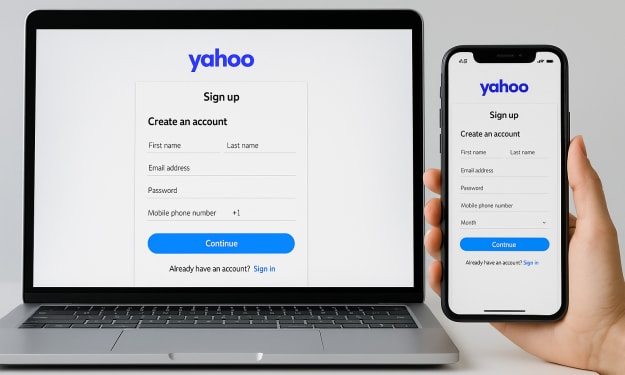
How to Recover a Yahoo Account: The Ultimate Step-by-Step Guide for 2026
Losing access to your Yahoo account can feel like losing a digital key to your personal and professional life. With a history that includes some of the largest data breaches globally, securing and knowing how to recover your account is more critical than ever. Whether you’ve been locked out due to a forgotten password, a hacked account, or an old, inactive email address, this comprehensive guide walks you through every official method to regain access. We will cover explicit recovery techniques, essential protection strategies to prevent future lockouts, and answer the most frequently asked questions, all based on professional insights.
By Alexander Hoffmann3 days ago in Lifehack
Kitchen Renovation Material Trends (2026 Report)
The 2026 kitchen is a study in deliberate, thoughtful evolution. Homeowners and designers are moving away from the stark minimalism and cold, sterile palettes that have dominated recent years. In their place, a new design language is emerging—one that speaks to our collective desire for warmth, tranquility, and a deeper connection to craftsmanship. This year, the kitchen is not just a place to cook; it is the hearth of the home, a multi-functional sanctuary designed for living, working, and gathering. The trends shaping this transformation are rich with texture, grounded in nature, and seamlessly integrated with invisible technology. This report delves into the definitive material trends of 2026, exploring how surfaces, colors, and finishes are being reimagined to create spaces that are both visually stunning and profoundly personal.
By Flooring Tips5 days ago in Lifehack


Comments
There are no comments for this story
Be the first to respond and start the conversation.