
Effective Weight Loss: A Guide to Achieving Your Goals
Discover practical strategies for effective weight loss that help you achieve a healthier lifestyle. Get tips, insights, and answers to common questions.
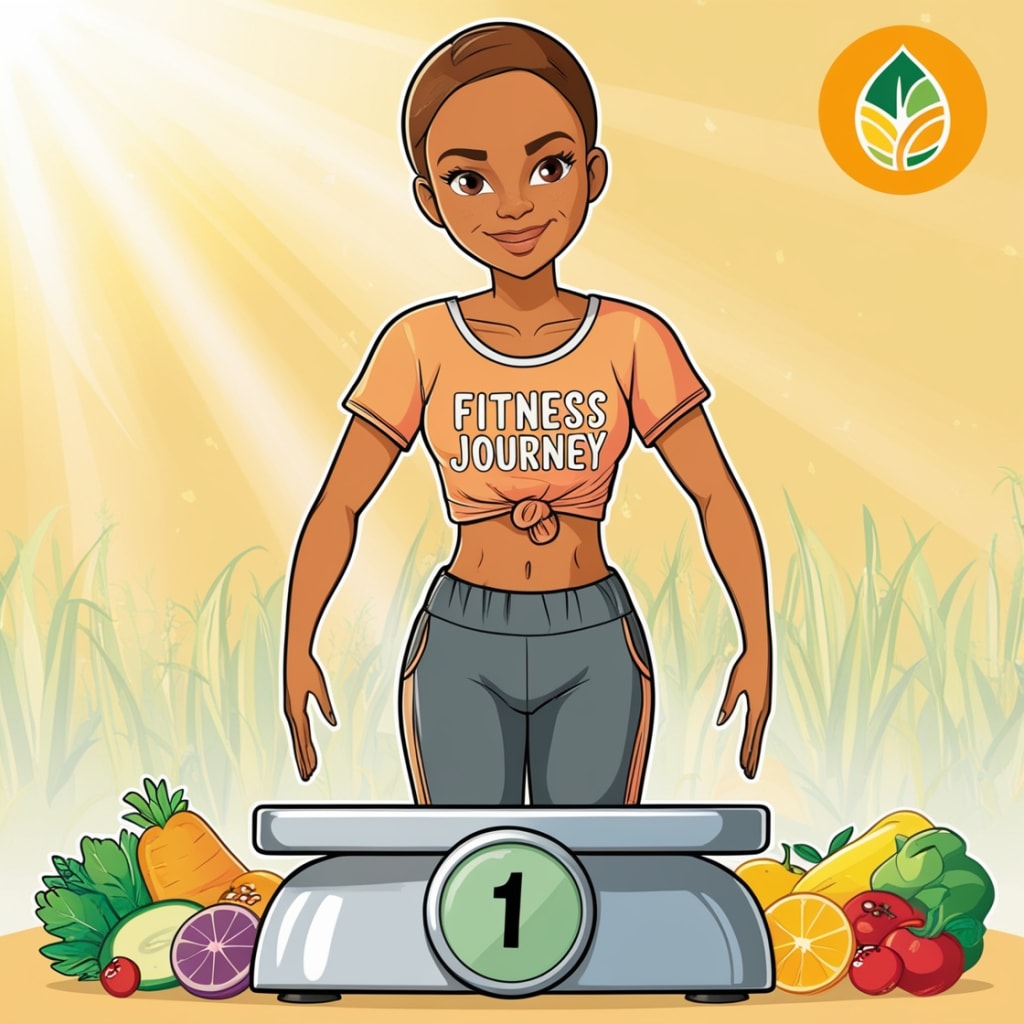
Weight Loss: A Comprehensive Guide for a Healthier You
Losing weight can feel like a daunting task, especially with the overwhelming amount of information available. Where do you even begin? Don't worry; you're not alone. In this article, we’ll break down the essentials of weight loss into simple, actionable steps. Whether you’re just starting your journey or have hit a plateau, this guide is designed to help you achieve lasting success.
1. The Basics of Weight Loss
At its core, weight loss comes down to a simple equation: you need to burn more calories than you consume. This can be achieved through a combination of diet, exercise, and lifestyle changes. However, it's important to remember that weight loss is not a one-size-fits-all approach. What works for one person may not work for another.
Think of weight loss as a journey rather than a quick fix. Just like training for a marathon, it requires time, consistency, and patience.
2. Why Is Weight Loss Important?
Weight loss isn’t just about fitting into your favorite pair of jeans. Maintaining a healthy weight has numerous health benefits, including reducing the risk of chronic diseases such as heart disease, diabetes, and high blood pressure. Moreover, it can improve your overall quality of life by boosting energy levels, enhancing mood, and promoting better sleep.
By shedding extra pounds, you’re investing in your long-term health and well-being.
3. Calories: The Foundation of Weight Loss
Calories are the building blocks of weight loss. To lose weight, you must create a calorie deficit, which means consuming fewer calories than your body needs to maintain its current weight.
For example, if your body requires 2,000 calories to maintain its weight, consuming 1,500 calories per day will create a 500-calorie deficit. Over time, this can lead to weight loss.
But not all calories are created equal. While you could technically lose weight by eating nothing but junk food (as long as you stay in a calorie deficit), this wouldn’t be healthy or sustainable. It’s important to focus on the quality of the calories you consume.
4. Understanding Macronutrients
- Macronutrients—proteins, carbohydrates, and fats—are the nutrients your body needs in large amounts for energy and basic functions. Balancing these nutrients is essential for a healthy weight loss plan:
- Proteins help in building and repairing muscles, which is crucial if you're exercising regularly.
- Carbohydrates provide energy, but choosing whole grains and fiber-rich foods will keep you full for longer.
- Fats are often misunderstood, but healthy fats (like those found in avocados and nuts) are essential for brain function and satiety.
- By incorporating all three macronutrients in your diet, you’ll stay full, satisfied, and energized while losing weight.
5. How to Set Realistic Goals
One of the biggest challenges in weight loss is setting realistic goals. If your expectations are too high, it can be easy to get discouraged. Instead of focusing on losing a large amount of weight in a short period, set small, achievable goals.
For instance, aim to lose 1-2 pounds per week, which is considered a healthy and sustainable rate. Breaking your weight loss journey into smaller milestones makes it more manageable and rewarding.
6. The Role of Exercise in Weight Loss
Exercise is a crucial part of any weight loss plan, but it doesn’t mean you need to spend hours in the gym. In fact, even small increases in physical activity can make a big difference. Whether it’s walking, swimming, or lifting weights, find an activity that you enjoy and can stick with long term.
Not only does exercise help burn calories, but it also builds muscle, which boosts metabolism and helps you lose fat. Remember, consistency is key when it comes to reaping the benefits of exercise.
7. Healthy Eating Habits
Eating habits play a significant role in weight loss. Developing healthy eating patterns can make it easier to maintain a calorie deficit and achieve your goals. Here are some tips:
- Portion control: Instead of cutting out foods you love, focus on eating smaller portions.
- Eat more fruits and vegetables: These are low in calories but high in nutrients, making them a great option for weight loss.
- Avoid sugary drinks: Beverages like soda and fruit juice are packed with calories but do little to curb hunger.
- Making these simple changes can have a big impact on your weight loss journey.
8. Managing Cravings and Emotional Eating
Cravings and emotional eating are two of the biggest hurdles in weight loss. When you're stressed or upset, it’s easy to turn to food for comfort. But emotional eating can lead to overeating and, ultimately, weight gain.
- To combat cravings, try the following strategies:
- Drink water: Thirst is often mistaken for hunger.
- Eat mindfully: Pay attention to what and how much you're eating.
Find healthier coping mechanisms: Instead of reaching for food when stressed, try going for a walk, practicing meditation, or engaging in a hobby.
9. The Importance of Sleep and Stress Management
Believe it or not, sleep and stress management are critical components of weight loss. Lack of sleep disrupts the hormones that control hunger, leading to increased appetite. Stress, on the other hand, triggers the release of cortisol, a hormone that can lead to weight gain, especially around the abdomen.
Aim for 7-9 hours of quality sleep each night and incorporate stress-reducing activities like yoga, meditation, or deep breathing into your daily routine.
10. Common Weight Loss Myths Debunked
There are countless myths surrounding weight loss that can make the process confusing. Here are a few of the most common ones:
- Myth 1: Skipping meals helps you lose weight.
- Fact: Skipping meals can slow down your metabolism and lead to overeating later in the day.
Myth 2: Carbs are bad for weight loss.
Fact: Not all carbs are created equal. Whole grains and fiber-rich carbs can support weight loss.
Myth 3: You can target fat loss in specific areas.
Fact: Spot reduction is a myth. Fat loss occurs overall, not in specific areas.
11. Staying Consistent: The Key to Success
Consistency is the secret ingredient to successful weight loss. It’s not about perfection, but about making steady, healthy choices over time. Even if you have a bad day or indulge in a treat, don’t get discouraged. What matters is getting back on track and staying focused on your long-term goals.
12. Tracking Your Progress
Tracking your progress is an excellent way to stay motivated during your weight loss journey. Whether it's by weighing yourself weekly, taking measurements, or keeping a food journal, having tangible evidence of your success can help keep you on track.
Remember, progress is more than just a number on the scale. It’s also about how you feel, your energy levels, and your overall health.
13. Weight Loss Plateau: How to Overcome It
It’s common to hit a plateau during weight loss, where your progress seems to stall. When this happens, it’s essential not to get discouraged. Instead, try these strategies:
- Reevaluate your calorie intake: As you lose weight, your body needs fewer calories, so you may need to adjust your intake.
- Switch up your workout routine: Your body can adapt to the same exercise routine, so mix things up with new activities.
- Stay patient: Sometimes, the body just needs time to adjust before it continues losing weight.
14. Long-Term Weight Maintenance
Losing weight is only half the battle; keeping it off is just as important. To maintain your weight loss long-term, continue with the healthy habits you developed during your journey. This includes regular exercise, mindful eating, and managing stress.
The goal is to create a lifestyle you can sustain for the rest of your life, not just a temporary fix.
Unleash your potential in just 11 weeks! Transform your health and well-being with a personalized nutrition and weight loss plan designed for lasting results. Start your journey today!
15. Conclusion
Weight loss is a personal journey that takes time, effort, and commitment. There’s no magic formula, but by understanding the basics, setting realistic goals, and staying consistent, you can achieve long-term success. Remember, it’s not just about the number on the scale—it's about creating a healthier, happier version of yourself.
FAQs
1. How many calories should I eat to lose weight?
The number of calories needed varies based on factors like age, gender, and activity level. A general rule is to create a calorie deficit of 500-1,000 calories per day to lose 1-2 pounds per week.
2. Is it better to focus on diet or exercise for weight loss?
Both diet and exercise are important. While diet helps create a calorie deficit, exercise boosts metabolism and supports overall health.
3. How do I overcome cravings during weight loss?
Managing cravings involves staying hydrated, eating balanced meals, and finding healthy distractions, such as engaging in hobbies or physical activities.
4. What should I do if I hit a weight loss plateau?
Reevaluate your calorie intake, switch up your exercise routine, and stay patient. Plateaus are a natural part of the process.
5. Can I lose weight without exercise?
Yes, it’s possible to lose weight through diet alone, but exercise enhances results by improving metabolism and overall health.
About the Creator
Keep reading
More stories from AJAY KUMAR and writers in Lifehack and other communities.
The Truth About Tea Burn: Benefits, Weight Loss
1. Introduction to Tea Burn Tea has long been associated with relaxation and health benefits, but did you know that it may also help with weight loss? "Tea burn" refers to the concept of certain teas helping your body burn fat more efficiently. But how does it work, and what makes certain teas so effective in this process? Let’s explore the exciting world of tea burn.
By AJAY KUMARabout a year ago in Lifehack
Digital Well-Being
We live in a time where the internet is not just a tool — it is an environment. From the moment we wake up to the moment we fall asleep, screens shape how we think, work, communicate, and relax. Technology connects us instantly, but constant connection can quietly drain our attention, energy, and peace of mind. Digital well-being is the practice of using technology in a way that supports — rather than harms — our mental, emotional, and physical health.
By shaoor afridi5 days ago in Lifehack



Comments
There are no comments for this story
Be the first to respond and start the conversation.