
Effective Strategies for Managing Migraine Pain
Practical Home Remedies to Alleviate and Prevent Debilitating Headaches

Comprehensive Guide to Relieving Migraine Pain
Migraines are more than just headaches; they are intense, throbbing pains that typically affect one side of the head, often leaving sufferers incapacitated. This debilitating condition can disrupt daily life, making even simple tasks feel overwhelming. While there is no permanent cure for migraines, adopting certain lifestyle changes and home remedies can significantly reduce their frequency and intensity. Experts emphasize the importance of a proactive approach to managing migraines, including minimizing triggers and employing effective relief strategies. In this article, we explore practical and accessible methods to alleviate migraine pain, empowering you to regain control during an episode.
Understanding Migraines
Migraines are neurological conditions characterized by severe, pulsating headaches, often accompanied by symptoms such as nausea, sensitivity to light, and sound. They can last for hours or even days, severely impacting productivity and quality of life. Triggers vary from person to person but commonly include stress, lack of sleep, dehydration, certain foods, and excessive screen time. Identifying and avoiding these triggers is a critical step in managing migraines. By maintaining a balanced lifestyle, including regular sleep, proper hydration, and stress management, individuals can reduce the likelihood of an attack.
Cold Therapy for Immediate Relief
One of the most effective ways to ease migraine pain is by applying cold therapy. Cold temperatures help constrict blood vessels and reduce inflammation, which can alleviate the throbbing sensation. A simple method is to take a cold shower, allowing the cool water to soothe your head and neck. Alternatively, you can create an ice pack by wrapping a few ice cubes in a clean towel. Place the pack on your forehead or the back of your neck for 15 minutes, then remove it for a 15-minute break. Repeat this process if the pain persists. This technique is particularly helpful during the early stages of a migraine, as it can slow the progression of symptoms. Be cautious not to apply ice directly to the skin, as this can cause discomfort or frostbite.
Relax Your Scalp and Head
Physical tension in the scalp and neck can exacerbate migraine pain. Tight hairstyles, such as ponytails or buns, can put unnecessary pressure on the head, worsening symptoms. During a migraine, loosen your hair to allow your scalp muscles to relax. Similarly, remove any headwear like scarves, hats, or headbands that may constrict the head. Gentle scalp massages can also promote relaxation and improve blood flow, potentially reducing pain. Use your fingertips to massage your scalp in circular motions, focusing on areas where you feel tension. This simple act can provide immediate relief and create a sense of calm during a migraine episode.
Create a Low-Stimulation Environment
Migraines often come with heightened sensitivity to light and sound, making a quiet, dimly lit environment essential for relief. If you’re experiencing a migraine, dim the lights in your room or turn them off entirely. Draw curtains or blinds to block out sunlight, which can be particularly harsh during an attack. For individuals who experience frequent migraines, it’s wise to adjust the brightness settings on electronic devices like smartphones, tablets, and computers. Keeping screen brightness low can prevent strain on your eyes and reduce the risk of triggering a headache. When venturing outdoors, especially in bright sunlight, wear polarized sunglasses to shield your eyes from glare. Creating a soothing environment can make a significant difference in managing migraine symptoms.
Avoid Jaw and Facial Strain
Certain habits, such as excessive gum chewing, biting on hard objects, or teeth grinding (bruxism), can contribute to migraine pain. These activities strain the jaw muscles, which can radiate tension to the head. If you suspect teeth grinding is a factor, consult a dentist who may recommend a mouthguard or behavioral techniques to break the habit. During a migraine, avoid chewing gum or consuming hard, crunchy foods that require excessive jaw movement. Instead, opt for soft foods that are easy to eat and digest, reducing strain on your jaw and minimizing discomfort.
The Power of Coffee
For many, a cup of coffee can work wonders in alleviating migraine pain. Caffeine helps constrict blood vessels, which can reduce the intensity of a headache. A single cup of coffee, consumed at the onset of a migraine, can provide quick relief, especially when combined with other remedies like rest or cold therapy. However, moderation is key, as excessive caffeine intake can lead to dependency and potentially trigger headaches in some individuals. If you’re sensitive to caffeine, consult a healthcare professional to determine whether this remedy is suitable for you.
Additional Lifestyle Tips
Beyond these immediate remedies, adopting long-term lifestyle changes can help prevent migraines. Stay hydrated by drinking plenty of water throughout the day, as dehydration is a common trigger. Ensure you get 7-8 hours of quality sleep each night, as irregular sleep patterns can provoke migraines. Incorporate stress-relief practices like yoga, meditation, or deep breathing exercises into your routine to keep anxiety at bay. Regular physical activity, such as walking or light stretching, can also improve circulation and reduce the frequency of migraines. Keep a migraine diary to track triggers, symptoms, and effective remedies, which can help you better manage the condition over time.
When to Seek Professional Help
While these home remedies can provide relief, persistent or severe migraines may require medical attention. If your migraines are frequent, last longer than usual, or are accompanied by unusual symptoms like vision changes or numbness, consult a healthcare provider. They may recommend preventive medications, lifestyle adjustments, or other therapies to manage your condition effectively.
By combining these practical strategies with a proactive approach to lifestyle changes, you can significantly reduce the impact of migraines on your life. While migraines can be challenging, these remedies offer hope for relief and a path to better managing this condition.
About the Creator
Keep reading
More stories from Muhib Ullah and writers in Lifehack and other communities.
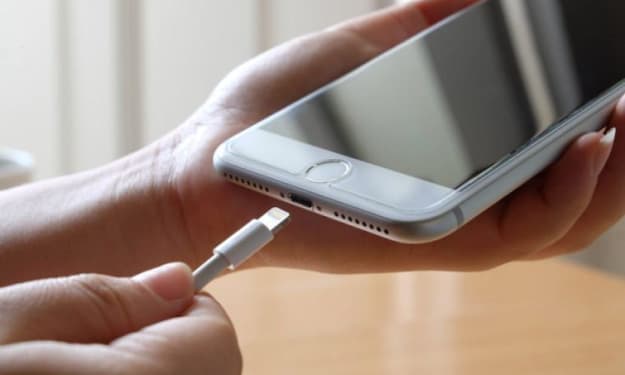
Is Charging a Battery to 100% Harmful or Beneficial?
Expert opinions on the impact of charging a mobile phone battery to 100%. According to specialists, consistently charging a battery to full capacity may gradually reduce its lifespan, raising concerns among users about optimal charging practices. This article delves into the insights shared by experts, the science behind battery degradation, and practical tips for preserving battery health, ensuring a comprehensive understanding of the topic.
By Muhib Ullah 9 months ago in Lifehack
Twiddling Your Thumbs: A Simple Habit That Offers Surprising Mental Health Benefits
Thumb twiddling has emotional benefits “Twiddling your thumbs” is an expression that means someone is doing nothing while passing the time away, or they are feeling bored or waiting. The phrase suggests wasting time or idleness but this simple repetitive motion of interlocking fingers and moving the thumbs together in a circular pattern is a self-soothing behavior that psychologists recognize as potentially beneficial for mental health well-being.
By Cheryl E Prestonabout 17 hours ago in Lifehack



Comments
There are no comments for this story
Be the first to respond and start the conversation.