
Is Charging a Battery to 100% Harmful or Beneficial?
Expert Opinions on Full Charging
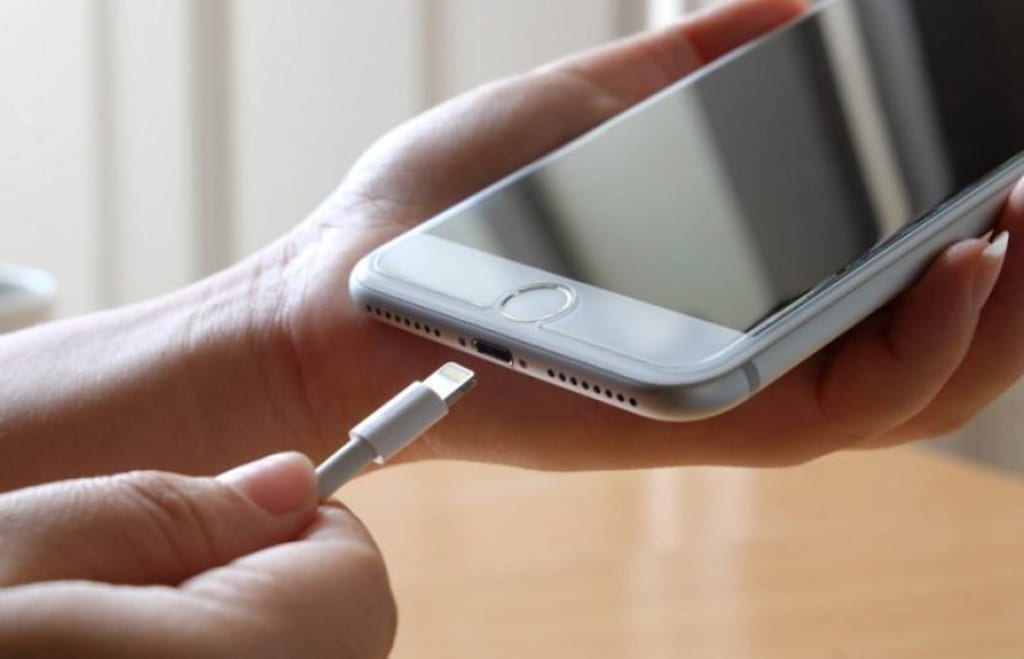
Expert opinions on the impact of charging a mobile phone battery to 100%. According to specialists, consistently charging a battery to full capacity may gradually reduce its lifespan, raising concerns among users about optimal charging practices. This article delves into the insights shared by experts, the science behind battery degradation, and practical tips for preserving battery health, ensuring a comprehensive understanding of the topic.
Expert Opinions on Full Charging
Experts from reputable institutions have weighed in on the effects of charging a mobile phone battery to 100%. Chao-Yang Wang, the Director of the Electrochemical Engine Center at Penn State University, emphasizes that charging a battery to its maximum capacity accelerates its degradation. When a battery is consistently pushed to 100%, it undergoes stress that can compromise its long-term performance. Similarly, Debakar Datta, an Associate Professor at the New Jersey Institute of Technology, explains that keeping a battery at full charge subjects it to high voltage, which is detrimental to its health. These insights underscore the importance of understanding how charging habits impact battery longevity.
Impact on Battery Lifespan
Chao-Yang Wang provides a quantitative perspective, noting that charging a battery to 100% regularly, as opposed to capping it at 90%, can reduce its lifespan by 10 to 15%. This reduction occurs because lithium-ion batteries, commonly used in smartphones, experience chemical stress when held at maximum voltage for extended periods. The high voltage accelerates the breakdown of the battery’s chemical components, leading to a diminished capacity over time. While the difference may seem minor initially, over hundreds of charge cycles, the cumulative effect becomes significant, resulting in a battery that holds less charge and requires more frequent recharging.
User Behavior and Device Upgrades
Interestingly, the report points out that most users tend to upgrade their mobile phones before battery issues become a major concern. Factors such as cracked screens, outdated camera quality, or the desire for newer features often prompt users to replace their devices within a few years. As a result, the impact of charging to 100% may not be noticeable for users who upgrade frequently. However, for those who plan to use their devices for longer periods, adopting better charging practices can extend the battery’s usable life, delaying the need for costly replacements or repairs.
Occasional Full Charging: Is It Safe?
While consistently charging to 100% is not ideal, experts clarify that it is not something to avoid entirely. Chao-Yang Wang advises that charging to full capacity is acceptable in specific scenarios, such as when extra battery life is needed for travel or demanding tasks. However, making this a daily habit is discouraged. Instead, for routine use, Wang recommends maintaining the battery charge between 85% and 90%. This range minimizes stress on the battery while still providing sufficient power for daily activities, striking a balance between convenience and longevity.
Avoiding Deep Discharges
In addition to avoiding constant full charges, experts caution against letting the battery drop to 0%. Debakar Datta advises users to plug in their devices when the battery level reaches around 20%. Allowing a battery to fully discharge can cause additional stress, particularly in lithium-ion batteries, which prefer partial discharge cycles. By recharging at 20%, users can prevent deep discharges that contribute to faster degradation, further preserving the battery’s health over time.
The Role of Temperature and Fast Charging
Environmental factors also play a critical role in battery health. Chao-Yang Wang highlights that charging a battery to 100% in high-temperature conditions can be particularly harmful. Elevated temperatures exacerbate the chemical reactions within the battery, accelerating wear and tear. Additionally, fast charging, while convenient, generates heat that can further reduce battery lifespan. Over time, the heat produced during rapid charging sessions can degrade the battery’s internal components, leading to diminished performance. Users are advised to charge their devices in cooler environments and, when possible, opt for standard charging over fast charging to mitigate these effects.
Practical Tips for Battery Maintenance
To maximize battery lifespan, users can adopt several practical strategies based on expert recommendations. First, aim to keep the battery charge between 20% and 90% for daily use. Many modern smartphones offer settings to limit charging to a specific percentage, which can automate this process. Second, avoid exposing the device to extreme temperatures, especially during charging. For example, refrain from charging the phone in direct sunlight or hot environments. Third, consider using slower charging methods when time permits, as they generate less heat and are gentler on the battery. Finally, if fast charging is necessary, ensure the device is well-ventilated to dissipate heat effectively.
Balancing Convenience and Longevity
The debate over charging to 100% highlights the trade-off between convenience and battery health. While fully charging a phone ensures maximum usage time, it comes at the cost of accelerated wear. Conversely, maintaining a partial charge requires more mindful management but can significantly extend the battery’s lifespan. For users who rely heavily on their devices, occasional full charges are unlikely to cause immediate harm, but habitual overcharging should be avoided. By understanding the science behind battery degradation and adopting recommended practices, users can make informed decisions to optimize their device’s performance.
Conclusion
In summary, charging a mobile phone battery to 100% daily can gradually reduce its lifespan by 10 to 15%, according to experts like Chao-Yang Wang and Debakar Datta. High voltage and heat, particularly from fast charging or high temperatures, contribute to this degradation. While occasional full charges are acceptable, maintaining a charge between 20% and 90% is ideal for daily use. By following these guidelines, users can prolong their battery’s health, ensuring their devices remain reliable for longer periods. Ultimately, while battery degradation may not be a primary concern for those who upgrade frequently, adopting mindful charging habits can benefit all users in the long run.
About the Creator
Keep reading
More stories from Muhib Ullah and writers in Lifehack and other communities.
The Fascinating World of Sperm: 15 Surprising Facts About the Tiny Cell That Starts Life
Sperm – a microscopic cell, invisible to the naked eye – plays one of the most essential roles in human reproduction. Though it’s incredibly tiny, its journey and function are nothing short of extraordinary. Here are 15 fascinating facts that shed light on the power, purpose, and science behind sperm.
By Muhib Ullah 8 months ago in Lifehack
SEO Mexico Tequila: Crafting Digital Strategy from the Heart of Mexico
In the evolving landscape of digital marketing, search engine optimization has become far more than a technical discipline. For many organizations, it represents a way of communicating values, sharing expertise, and building long-term relationships with audiences. Within this broader transformation, initiatives like SEO Mexico Tequila illustrate how regional knowledge, cultural perspective, and digital strategy can intersect to create meaningful impact.
By House Doctor6 days ago in Lifehack



Comments
There are no comments for this story
Be the first to respond and start the conversation.