
Effective Methods for Treating Knee Pain: A Comprehensive Guide
Treating Knee Pain

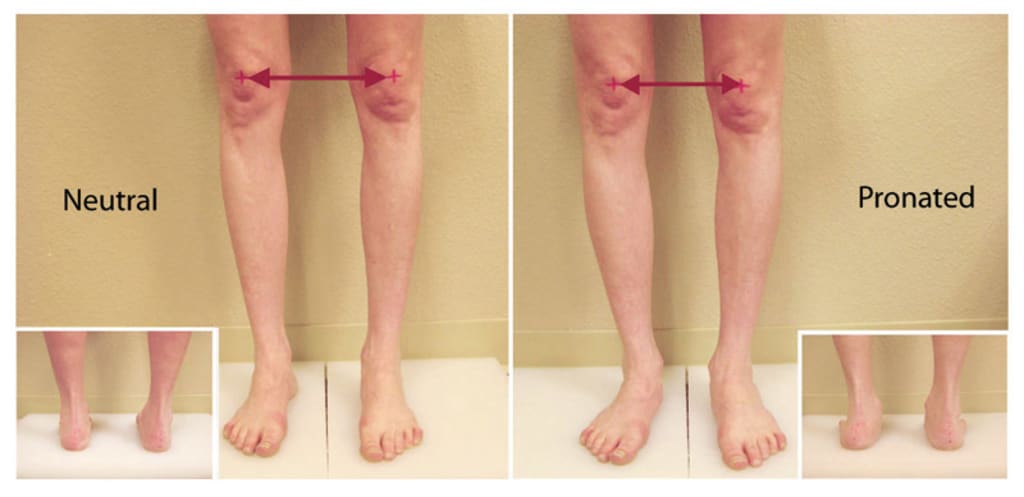
Knee pain is a common condition that can affect people of all ages and can be caused by a variety of factors, including injury, arthritis, and overuse. It can be debilitating and can greatly impact a person's quality of life. The good news is that there are several effective methods for treating knee pain, both non-surgical and surgical options.
Non-surgical Options:
Physical therapy: Physical therapy is often the first line of treatment for knee pain. Physical therapists work with patients to develop an individualized exercise program that targets the specific muscles and structures around the knee. The goal of physical therapy is to improve flexibility, strength, and range of motion in the knee. Common exercises include quadriceps and hamstring strengthening, balance and coordination training, and range of motion exercises. Physical therapy can also help to reduce pain and improve function.
Medications: Over-the-counter pain medications such as ibuprofen and acetaminophen can be used to reduce pain and inflammation. In more severe cases, prescription medications may be prescribed. These include non-steroidal anti-inflammatory drugs (NSAIDs) and corticosteroids. NSAIDs work by reducing inflammation, while corticosteroids can be used to reduce pain and inflammation. It is important to note that these medications should be used under the guidance of a healthcare provider and should not be used for long periods of time as they can have side effects
Injections: Injections such as corticosteroids and hyaluronic acid can be used to reduce inflammation and pain in the knee. Corticosteroids are powerful anti-inflammatory medications that can be injected directly into the knee joint. Hyaluronic acid is a natural substance found in the knee that can be used to lubricate and cushion the joint. Injections can provide relief for several weeks to several months, but they are not a permanent solution.
Lifestyle changes: Lifestyle changes can also be effective in reducing knee pain. Losing weight, avoiding high-impact activities, and using proper form when engaging in physical activity can all help to reduce stress on the knee joint. Additionally, maintaining a healthy diet and getting enough rest can also help to reduce inflammation and pain in the knee.
Surgical Options:
Arthroscopy: Arthroscopy is a minimally invasive procedure in which a small camera is inserted into the knee to diagnose and treat various conditions. This procedure can be used to diagnose and treat knee pain caused by injury, cartilage damage, and arthritis. Common procedures include removing loose pieces of cartilage, cleaning out the knee joint, and repairing or reconstructing ligaments.
Osteotomy: Osteotomy is a procedure in which the bone is cut and realigned to relieve pressure on the knee joint. This procedure is often used in patients with knee pain caused by arthritis. The goal of the procedure is to shift the weight-bearing load to a different part of the knee, thereby reducing pain and improving function.
Total knee replacement: Total knee replacement is a procedure in which the damaged joint is replaced with an artificial one. This procedure is typically used in patients with severe knee pain caused by arthritis or injury. The artificial joint is made up of metal and plastic components and is designed to mimic the movement and function of a healthy knee.
Cartilage repair: Cartilage repair procedures are designed to repair or replace damaged cartilage in the knee. These procedures can include micro fracture, which involves creating small fractures in the bone to stimulate the growth of new cartilage, or tautologous erythrocyte implantation, which involves removing a small piece.
Knee pain is a common condition that can be caused by a variety of factors, including injury, arthritis, and overuse. Treatment options for knee pain include both non-surgical and surgical methods.
Non-surgical treatment options include:
Rest and ice: Resting the knee and applying ice can help reduce inflammation and pain.
Physical therapy: Physical therapy can help strengthen the muscles around the knee and improve range of motion.
Medications: Over-the-counter pain medications such as ibuprofen can help reduce pain and inflammation.
Bracing: Wearing a knee brace can help stabilize the knee and provide support.
Injections: Injections of corticosteroids or other mediacations can help reduce pain and inflammation in the knee.
Surgical treatment options include:
Arthroscopy: A surgical procedure in which a small camera is inserted into the knee to diagnose and treat a variety of knee conditions.
Osteotomy: A surgical procedure in which the bone is cut to realign the joint and relieve pressure on the knee.
Total knee replacement: A surgical procedure in which the damaged parts of the knee are removed and replaced with artificial part.
About the Creator
ler magazine
Welcome to Lower Extremity Review or LER. This long awaited magazine fills the lower extremity information gap for practitioners in the fields of Podiatry, Physical Therapy, O&P Pedorthics, and Orthopedics.
Keep reading
More stories from ler magazine and writers in Lifehack and other communities.
Here Are Some Guidelines To Help You Choose The Best Foot Cream
Do you have dry skin, cracked heels, or other foot issues? You are most likely one of the many who believe that their feet don't need to be taken care of because they don’t expose them all the time. However, if our feet are left unattended, it is a reason we need to give them quality skincare attention. Our feet don't get the proper amount of air circulation because they are always in our shoes. This makes it more susceptible to foot infections and other problems.
By ler magazine4 years ago in Lifehack
Rachel Reviews: The Spiral Archive by Pieter Hendrik
It's difficult for me to know where to start with a review of this book as it was, for me, an entirely unique experience and one that I'll probably never have again. I don't want that to be interpreted as unenjoyable but it has left me scratching my head a little and ruminating on its content, its themes and its characters.
By Rachel Deemingabout 19 hours ago in BookClub



Comments
There are no comments for this story
Be the first to respond and start the conversation.