
Dogs Food
Key Considerations for Optimal Nutrition and Health

Choosing the Right Dog Food for Your Furry Friend
As a dog owner, it's important to make sure that your furry friend is getting the right nutrition they need to stay healthy and happy. However, with so many options available on the market, choosing the right dog food can be a daunting task. In this article, we'll go over some key considerations to keep in mind when selecting a dog food for your pet.
Nutrition is Key
Dogs require a balanced diet that includes protein, carbohydrates, fats, vitamins, and minerals to keep them healthy. When choosing a dog food, it's important to look for one that contains high-quality ingredients that provide your pet with the nutrients they need. Look for a dog food that has named protein sources (such as chicken, beef, or lamb) listed as the first ingredient, as well as whole grains and vegetables for added nutrition.
Consider Your Dog's Age and Health
Different dog foods are formulated to meet the nutritional needs of dogs at different stages of life. Puppies, for example, require more calories and protein to support their growth and development, while senior dogs may benefit from a diet that's lower in calories and higher in fiber to support their digestive health.
Additionally, if your dog has any health conditions, such as allergies or a sensitive stomach, you may need to choose a dog food that's specially formulated to meet their unique nutritional needs. Consult with your veterinarian to determine what type of dog food would be best for your pet's specific health needs.
Read the Ingredients List
When selecting a dog food, it's important to read the ingredients list carefully. Look for high-quality protein sources, such as chicken, beef, or lamb, listed as the first ingredient. Avoid dog foods that contain unnamed protein sources, such as "meat meal" or "meat by-products," as these may be of lower quality.
Additionally, be wary of dog foods that contain fillers, such as corn or wheat, as these are not as nutritionally dense as other ingredients and may contribute to weight gain. Look for whole grains, such as brown rice or oats, as well as vegetables and fruits for added nutrition.
Consider Your Dog's Lifestyle
Your dog's lifestyle can also play a role in the type of dog food you choose. For example, if your dog is very active, they may require a higher calorie dog food to meet their energy needs. Conversely, if your dog is more sedentary, they may require a lower calorie dog food to prevent weight gain.
Additionally, if your dog has any food allergies or sensitivities, you may need to choose a dog food that's formulated to meet their unique needs. For example, if your dog is allergic to chicken, you'll need to look for a dog food that doesn't contain chicken or any chicken by-products.
Consider Your Budget
While it's important to choose a high-quality dog food that meets your pet's nutritional needs, you also need to consider your budget. Dog foods can range in price from a few dollars to several hundred dollars per bag, so it's important to find a dog food that's both affordable and high-quality.
Look for dog foods that offer a good balance between quality and affordability. Avoid dog foods that are very cheap, as these are often made with lower-quality ingredients and may not provide your pet with the nutrition they need.
Conclusion
Choosing the right dog food is an important decision that can impact your pet's health and well-being. By considering factors such as your dog's age, health, lifestyle, and budget, you can find a high-quality dog food that meets your pet's nutritional needs and keeps them happy and healthy.
About the Creator
kids
Once upon a time, in a small village nestled at the foot of a mountain range, there lived a boy named Tom. Tom was a curious and adventurous child who loved nothing more than exploring the great outdoors. He spent his days wandering through the fields, climbing trees, and playing with his friends.
By Atika3 years ago in Confessions
Engagement Without Conversion: The Quiet Trap Creators Fall Into
Engagement looks exciting on a dashboard. Hearts, comments, shares, and saves move in real time and give creators a sense of momentum. Many creators celebrate these signals because they feel like proof that the content works. Yet over time, some discover that strong engagement does not always translate into sales, bookings, or meaningful business growth. That gap can stay unnoticed for months.
By Kirby Soto7 days ago in Lifehack
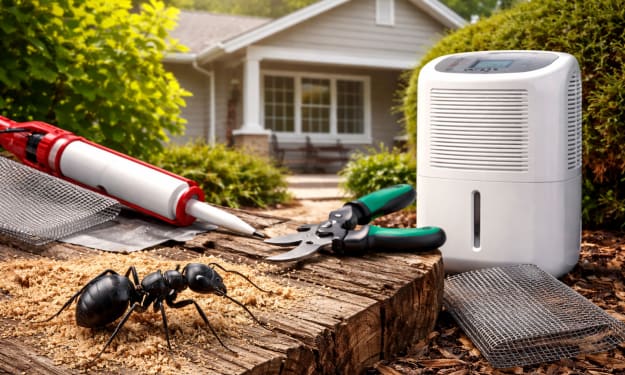
How to Prevent Carpenter Ants from Invading Your Home
Carpenter ants might not carry diseases like some pests, but they can still cause serious trouble if they make themselves comfortable in your home. Unlike termites, carpenter ants don't eat wood, but they do chew through it to create tunnels and nests. Over time, this can weaken the structural integrity of your home, leading to costly repairs.
By Whitney Collins7 days ago in Lifehack



Comments
There are no comments for this story
Be the first to respond and start the conversation.