
Does a Posture Corrector Work for Better Alignment?
The truth about posture correctors: instant relief or lasting results?
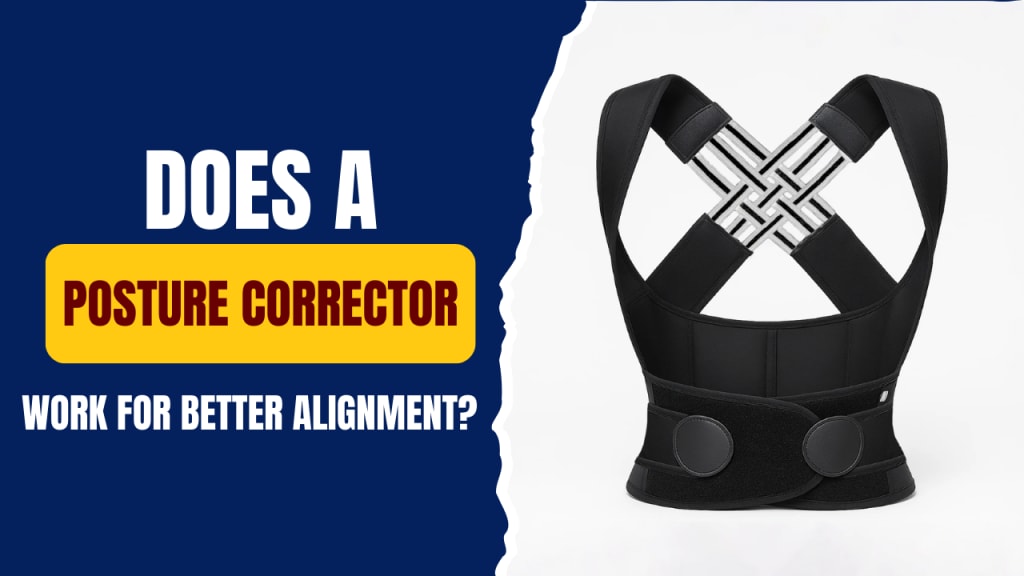
Maintaining good posture impacts more than appearance. It affects breathing, energy, circulation, and overall comfort. But for many people, hours spent sitting, driving, or working on devices lead to slouching. That’s when the question arises: does a posture corrector work?
Posture correctors promise an easy solution, pulling your shoulders back and supporting the spine. Some users report instant benefits, while others wonder if it’s only a temporary fix. Let’s explore the science, benefits, and whether a posture corrector can really make a lasting difference.
Why Posture Matters
Posture reflects your body’s natural alignment. Proper posture keeps bones, joints, and muscles balanced, reducing strain. It supports easier movement, prevents stiffness, and lowers the risk of back pain, headaches, or chronic discomfort.
Poor posture creates muscle imbalances that stress the spine and surrounding tissues. Over time, slouching can lead to rounded shoulders, limited flexibility, and fatigue. Correcting these habits early helps restore strength and long-term spinal health.
When slouching becomes ingrained, simply “standing tall” isn’t enough. Many people explore posture correctors to retrain muscles and encourage alignment. Still, an important question remains: does a posture corrector work as a long-term solution?
How Do Posture Correctors Work?

A posture corrector is a wearable device that gently pulls your shoulders back. This motion supports the spine, reduces slouching, and encourages natural muscle activation, making upright alignment feel more comfortable and sustainable.
The design is straightforward yet effective. By holding your body in the right position, a posture corrector trains muscles to “remember” healthier alignment, relieving back, neck, and shoulder tension that develops from poor habits.
With consistent use, posture correctors can improve awareness and posture control. However, many wonder: does a posture corrector work in everyday life without creating dependency or limiting long-term muscle strength?
The Benefits People Notice First
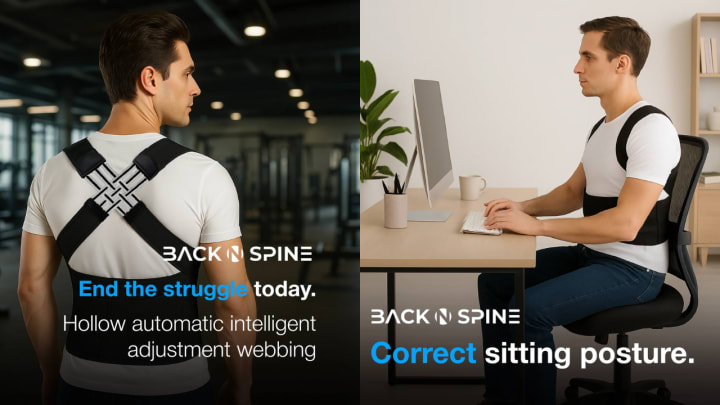
When people first try a posture corrector, the changes often feel immediate. You suddenly stand taller, your shoulders feel more supported, and a boost in confidence becomes noticeable. For anyone dealing with slouching or fatigue, that first impression can be very motivating.
Some of the first benefits people report include:
- Reduced pain in the upper back and shoulders — less pressure on tight muscles.
- Less stiffness and fatigue — your body conserves energy when aligned properly.
- Fewer headaches — posture correctors reduce strain on the neck that often triggers tension headaches.
- Improved breathing and circulation — upright alignment allows your lungs to expand more fully.
- Instant sense of balance and alignment — many users feel centered and more in control of their movements.
These quick wins make posture correctors popular, especially for people seeking fast relief. In the short term, the answer to does a posture corrector work is often yes, since the device provides both physical comfort and renewed body awareness.
Possible Drawbacks to Consider
Like any tool, posture correctors aren’t perfect. Relying on them without addressing core and back strength may limit progress. They should support, not replace, healthy movement habits.
Wearing one too tightly or for too long may also cause discomfort. That’s why choosing a comfortable, adjustable, and breathable design matters. So, while does a posture corrector work is a fair question, the results often depend on product quality and how you use it.
How to Use a Posture Corrector Effectively
Using a posture corrector is most effective when paired with mindful habits. Begin with short daily sessions, allowing your body to adjust. Over time, gradually increase wear duration to avoid fatigue and encourage natural alignment.
Experts suggest combining a posture corrector with stretching, strengthening exercises, and regular breaks from sitting. This balanced approach prevents dependency while retraining muscles, ensuring your body develops the strength to maintain upright posture independently.
When asked does a posture corrector work, the most accurate answer is yes—especially when used alongside healthy posture practices. Together, these habits create lasting results, improved comfort, and stronger postural awareness.
Introducing the Back N Spine Posture Corrector

The Back N Spine Posture Corrector is designed for comfort, alignment, and confidence. It supports multiple types of posture, easing neck, back, and shoulder strain while encouraging upright stance. Its lightweight, breathable design ensures discreet wear at home, work, or travel.
Beyond immediate support, this device works long-term. Pairing it with the best posture corrector exercises retrains muscles, reduces slouching, and enhances flexibility. Wondering, “What are the benefits of back posture corrector?” Expect reduced pain, improved circulation, and boosted confidence.
Consistency matters. So, how often should you wear a posture corrector? Begin with 30–60 minutes daily, then increase gradually. Over time, your muscles strengthen naturally, reducing reliance while maintaining healthy posture and lasting spinal alignment.
Who Should Consider a Posture Corrector?
Posture correctors are designed for people who sit long hours, work at desks, or commute daily. They provide gentle support, helping reduce strain and encourage proper spinal alignment throughout the day.
Fitness beginners often wonder about the best posture corrector exercises to pair with their device. When combined with stretching and strengthening, posture support works even better, especially for those with sedentary jobs or muscle imbalances.
If reminders and stretches haven’t fixed your slouching, a posture corrector may be the missing tool. So, when asking does a posture corrector work, the answer is yes—it provides targeted support where you need it most.
Tips for Better Posture Without Devices
Improving posture doesn’t always require a device. Simple daily habits can strengthen your body and encourage natural alignment. Here are some practical ways to support posture on your own:
- Strengthen your core muscles through exercises like planks or bridges.
- Stretch your chest, shoulders, and spine to release tension.
- Adjust your workstation ergonomics for proper desk height and monitor level.
When life makes perfect posture difficult, a posture corrector adds valuable support. Combining healthy habits with assistance ensures the answer to does a posture corrector work remains a lasting yes.
Final Thoughts: Does a Posture Corrector Work?
Posture correctors aren’t magic, but they’re powerful tools when used correctly. They provide instant alignment, relieve tension, and retrain muscles over time.
So, does a posture corrector work? Absolutely—especially when paired with consistent effort. For lasting comfort, confidence, and spinal health, the Back N Spine Posture Corrector is one of the most effective and trusted choices available.
FAQs
Does a posture corrector work for better alignment?
Yes, a posture corrector gently supports the spine, reduces slouching, and improves awareness. When combined with exercise and stretching, it encourages lasting alignment without creating dependency.
Can posture correctors relieve back and shoulder pain?
Posture correctors reduce tension in the shoulders, neck, and back. Many users report less stiffness and fewer headaches once proper spinal alignment is restored consistently.
How long should you wear a posture corrector daily?
Start with 30–60 minutes per day to allow adjustment. Gradually increase duration while strengthening muscles, ensuring proper posture habits develop without overreliance.
Are there any drawbacks to using posture correctors?
Yes, overuse or wearing too tightly may cause discomfort. They should complement—not replace—core strengthening and healthy movement habits to ensure long-term postural improvement.
Who benefits most from posture correctors?
Office professionals, commuters, and fitness beginners benefit greatly. Posture correctors provide gentle support, helping maintain proper alignment during long sitting hours or when natural posture habits weaken.
About the Creator
Keep reading
More stories from Olivia Kim and writers in Lifehack and other communities.
Engagement Without Conversion: The Quiet Trap Creators Fall Into
Engagement looks exciting on a dashboard. Hearts, comments, shares, and saves move in real time and give creators a sense of momentum. Many creators celebrate these signals because they feel like proof that the content works. Yet over time, some discover that strong engagement does not always translate into sales, bookings, or meaningful business growth. That gap can stay unnoticed for months.
By Kirby Soto7 days ago in Lifehack
How to Prevent Carpenter Ants from Invading Your Home
Carpenter ants might not carry diseases like some pests, but they can still cause serious trouble if they make themselves comfortable in your home. Unlike termites, carpenter ants don't eat wood, but they do chew through it to create tunnels and nests. Over time, this can weaken the structural integrity of your home, leading to costly repairs.
By Whitney Collins7 days ago in Lifehack




Comments
There are no comments for this story
Be the first to respond and start the conversation.