
Discover Information Faster with Smarter Search Technology
Tired of digging through irrelevant search results? Learn how smarter search technology powered by AI helps you discover information faster, efficiently, and more accurately.

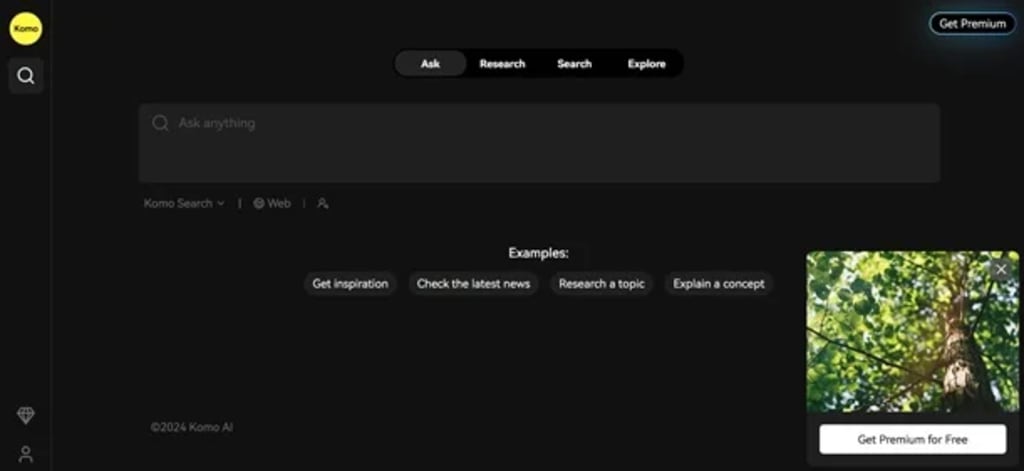
In an age where information is abundant but time is limited, how we search for knowledge can define our productivity. Traditional search engines have served us for years, but with the evolving needs of users and the increasing complexity of data, smarter solutions are becoming essential. This is where AI-powered search technology steps in, promising faster, more accurate, and more intuitive results.
Let’s dive into the problem with traditional search systems and explore how intelligent search tools, like Komo AI research assistants, are redefining how we interact with digital information.
The Problem: Information Overload and Search Fatigue
We’ve all experienced it — typing a query into a search bar and being bombarded with thousands, even millions, of results. Most are irrelevant, repetitive, or outdated. You spend more time scanning, clicking, and filtering than actually learning or solving the problem you started with.
Some of the common issues include:
Irrelevant Results: Search engines often favor keyword matches over context, leading to poor accuracy.
Ad Clutter: Sponsored content can sometimes override what’s most useful, reducing trust and efficiency.
Lack of Personalization: Traditional searches do not understand the intent or depth behind your query.
Time Wastage: The longer it takes to find what you need, the more likely you are to lose focus or abandon the task.
For researchers, students, professionals, and even casual users, this outdated search approach is frustrating. What we need today isn’t just faster results — we need smarter ones.
The Shift: Smarter Search Technology and AI Integration
Enter smart search tools powered by artificial intelligence.
AI isn’t just a buzzword anymore. When embedded into search platforms, it radically improves how we receive and interact with information. These tools understand user intent, context, and even language nuances. Instead of giving you 500 pages to sort through, they attempt to deliver the one page you actually need.
Komo AI, for instance, is an emerging research assistant that leverages these smart technologies. It offers conversational, real-time, and relevant responses by using advanced language models. It acts more like a knowledge companion than just a search engine.
How Smarter Search Tools Solve the Problem
Here’s how smart search platforms like Komo AI are changing the game:
1. Contextual Understanding of Queries
AI-powered systems don’t just read your words — they interpret them. They understand what you're looking for based on previous queries, topic relevance, and contextual meaning. That means fewer irrelevant links and more direct answers.
2. Conversational Interface
Modern smart search tools often include a chat-like interface. This allows for follow-up questions, clarification, and a more dynamic way to refine your search. It’s like having a virtual assistant that remembers your train of thought.
3. Minimal Clutter, Maximum Clarity
These tools are designed with user experience in mind. Clean interfaces, ad-free environments, and focused content reduce distractions and save time.
4. Enhanced Research Capabilities
Instead of jumping between websites, smarter tools gather and summarize reliable information in one place. For writers, students, marketers, and business analysts, this feature alone is a game-changer.
5. Privacy-Focused Searching
Unlike traditional search engines that track your activity and personalize ads, some AI-based platforms prioritize privacy. This builds user trust and makes searching a more comfortable experience.
Use Cases: Who Benefits from Smarter Search?
Students & Educators
Searching for academic articles, historical references, or quick explanations becomes easier and faster. AI tools can even help in summarizing and comparing different viewpoints on a topic.
Content Creators & Researchers
Writers need accurate facts, industry trends, and unique insights. Smart search engines offer rich, context-aware responses that help streamline the writing process.
Professionals & Business Teams
From competitive research to legal information and client data, teams save time by using tools that pull in relevant, timely, and clean data sets.
Casual Users
Even for general knowledge, these tools provide more satisfying experiences. Whether you're planning a trip or learning a new skill, smart search platforms offer deeper insights than traditional engines.
What Makes This Shift Important?
We are living in a world where attention is limited and time is precious. As information continues to grow exponentially, users need precision, reliability, and speed.
Smarter search tools make all this possible by:
Reducing cognitive overload
Encouraging deeper learning
Enabling focused discovery
Supporting ethical data usage
This shift isn’t just technological — AI-productivity tools it’s psychological. People now expect their tools to work with them, not just for them.
Final Thoughts: The Smarter Way Forward
Smarter search technology is no longer a luxury — it’s a necessity. Whether you’re working on a tight deadline, exploring a new field, or just tired of skimming through irrelevant web pages, AI-powered search engines are designed to make your life easier.
The next time you find yourself frustrated with traditional search results, consider switching to a tool that offers smarter AI-backed assistance. Platforms like Komo AI aren’t just faster — they’re thoughtfully efficient, giving you what you need with less friction.
After all, in a world full of noise, the ability to find the right information quickly is not just convenient — it's empowering.
About the Creator
AIChief
AIChief is the #1 AI tools directory created exclusively for businesses, AI explorers, and curious minds alike! Each tool is manually tested and verified by our expert editors.
We’re here to keep you updated with latest news insights
How to Recover Your Instagram Account: The Complete 2026 Guide
Losing access to your Instagram account can feel like being locked out of a digital life. With billions of users and accounts increasingly targeted by hackers, knowing exactly how to react is crucial. Whether you’ve been hacked, forgotten your password, or had your account disabled, this comprehensive guide walks you through every official recovery method. We base our advice on Instagram's official help resources and cybersecurity experts to ensure you can regain access quickly and secure your profile for the future.
By Alexander Hoffmann2 days ago in Lifehack
Top 10 Side Effects of Chia Seeds You Should Know
Chia seeds have gained huge popularity in recent years as a superfood. From smoothies and puddings to salads and oatmeal, these tiny seeds are often praised for their high fiber, omega-3 fatty acids, and protein content. Many people include them in their daily diet to support weight loss, digestion, and overall health.
By Veronica Bennett5 days ago in Lifehack
My First Time Skiing and I Got Lost, Alone, in the French Alps
Looking back, I can trace some of my life’s biggest adventures to a simple action from my sister. She’d introduced me to Tommy (a very long time ago), a colleague of hers, who had overshared his penchant for Italian-looking women, and I ticked that box.
By Chantal Christie Weiss2 days ago in Humans


Comments
There are no comments for this story
Be the first to respond and start the conversation.