
Dental Fillings: How They Restore Teeth and Stop Decay
Understanding the Process and Benefits of Restoring Your Smile


Tooth decay can creep up quietly, turning a small cavity into a much bigger dental problem if left untreated. Fortunately, dental fillings are one of the most effective ways to stop decay and restore your teeth’s natural function.
If you’ve been searching for solutions to repair a damaged tooth or wondering where to get dental fillings, this guide will walk you through what they are, how they work, and why they’re a crucial part of keeping your smile healthy.
What Are Dental Fillings?
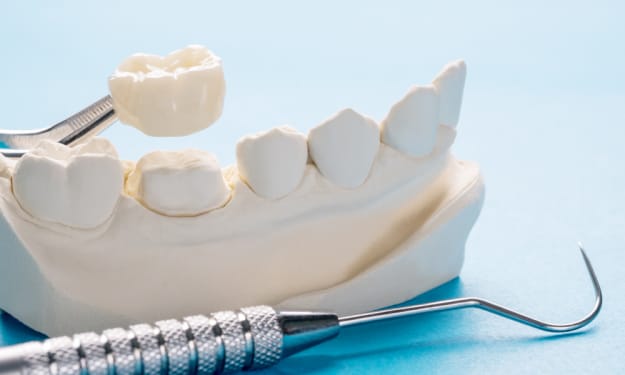
Dental restorations involve the use of dental fillings as one of the most common methods to restore decayed teeth or those with minor fractures. Filling is useful when bacteria strike your enamel and form a cavity because it helps to close the gap and avoid the further spread of the process to the deeper parts of the tooth.
The process is simple but highly effective. Your dentist takes away the decayed area of the tooth, then cleans the area completely and then fills it with a hard material.
This will make your tooth strong, shaped and operational once again, and you will be able to bite and chew without any pain or additional damage.
Types of Dental Fillings
Several types of filling materials are available today, and each has its advantages:
- Composite Resin Fillings – Tooth-coloured and aesthetically pleasing, composite fillings are perfect for visible areas like front teeth. They bond well with your natural tooth structure.
- Amalgam Fillings – These are very powerful and durable and are made of a blend of metals, which suits molars that have to endure heavy pressure when chewing.
- Ceramic Fillings – Crafted from porcelain, ceramic fillings are stain-resistant and blend seamlessly with natural teeth.
- Glass Ionomer Fillings – They are often used in children or fillings close to the gum line, as they are believed to release fluoride that helps in preventing further deterioration in the tooth.
When you go to a dentist to get dental fillings, he will prescribe the right material depending on the size and the location of the cavity, your budget and your preferences.
How Dental Fillings Restore Teeth
Fillings do more than just patch up a cavity. They are essential in ensuring that you have good oral health. Here’s how they help:
Stopping Decay in Its Tracks
By removing decayed tissue and sealing the space, fillings prevent bacteria from advancing deeper into the tooth and reaching the pulp (the tooth’s inner nerve).
Restoring Function
Cavities can make chewing painful. A filling allows you to eat comfortably again by strengthening the tooth’s structure.
Protecting the Tooth’s Shape
Fillings help maintain proper tooth alignment by ensuring the repaired tooth stays the correct size and shape, which prevents neighbouring teeth from shifting.
Improving Appearance
Modern fillings, especially composite resin or ceramic, can be colour-matched to your natural teeth, restoring your smile without visible metal.
What to Expect During the Procedure
If you’ve never had a filling, you might be wondering what the process involves. Here’s what typically happens:
- Examination and X-rays – Your dentist will check the tooth and might order X-rays to see how far the decay has gone.
- Numbing the Area – A local anesthetic ensures you stay comfortable throughout the procedure.
- Removing the Decay – With specialised tools, your dentist will then scrape away the decayed part of the tooth.
- Cleaning and Filling – The cavity is cleaned to eliminate bacteria, then filled with your chosen material.
- Shaping and Polishing – The filling will be formed to fit your bite and made smooth.
They are essential in ensuring that you have good oral health.
Benefits of Getting Fillings Early
It might be tempting to delay treatment if a cavity isn’t causing pain yet, but early intervention has big advantages:
- Prevents Costly Treatments Later – Left untreated, decay can progress to the nerve, requiring root canal therapy or even extraction.
- Keeps Pain at Bay – Fillings stop discomfort before it becomes severe.
- Protects Overall Health – Untreated decay can lead to infections that impact more than just your teeth.
Seeking dental fillings as soon as you notice a cavity helps you maintain a healthy smile and avoid complex dental work down the road.
Caring for Your Fillings
Dental fillings are durable, but proper care ensures they last for many years to come. Brush at least two times a day with fluoride toothpaste, floss once daily, and schedule regular dental examinations.
Do not bite hard items such as ice or use your teeth as instruments, as this will destroy the filling.
Final Thoughts
Dental fillings are an effective but easy method of restoring teeth, preventing decay and safeguarding your oral care. Whether you choose composite, ceramic, or traditional amalgam, getting timely treatment helps you avoid more serious dental problems.
If you think you may need a filling or haven’t had a check-up in a while, now is the perfect time to act. Book an appointment for dental fillings in Sydney and give your teeth the care they deserve.
About the Creator
My Local Dentists
My Local Dentists your trusted family dentists providing advanced dentistry and same day emergency care in Auburn, Seven Hills, Leichhardt, West Ryde, Northmead, Northbridge and Sydney. Visit or call one of our 6 locations today.
Keep reading
More stories from My Local Dentists and writers in Lifehack and other communities.
Dental Crowns vs. Bridges: Understanding the Key Differences
Dental crowns or dental bridges may be suggested by your dentist when you have missing teeth, damaged teeth, or weakened teeth. While these treatments serve similar purposes—restoring the look and function of your teeth—they work in very different ways.
By My Local Dentists4 months ago in Lifehack
Smartphones Are Better Than Ever
A few years ago, it was fun to get a new phone. You took it out of the box, looked at all the features, tried out the camera, and felt that calm joy that comes with possessing something truly new. Smartphones are objectively more powerful than ever today, with faster processors, smarter software, and better displays. But the enthusiasm is essentially gone.
By abualyaanart3 days ago in Lifehack
Autonomy Is The Real Privilege
Good morning, freedom-seekers! Today we’re gonna be looking at autonomy. A strange word, I know; one many would probably look at blankly and run away from on sight. We’re gonna figure out what it actually means, consider how it’s achieved, and decipher just how deeply most of us are tangled up in dependence without realising it.
By That ‘Freedom’ Guy4 days ago in Humans



Comments
There are no comments for this story
Be the first to respond and start the conversation.