
Dental Crowns: When You Need One and What to Expect
A Complete Guide to Understanding Dental Crowns and How They Restore Your Smile

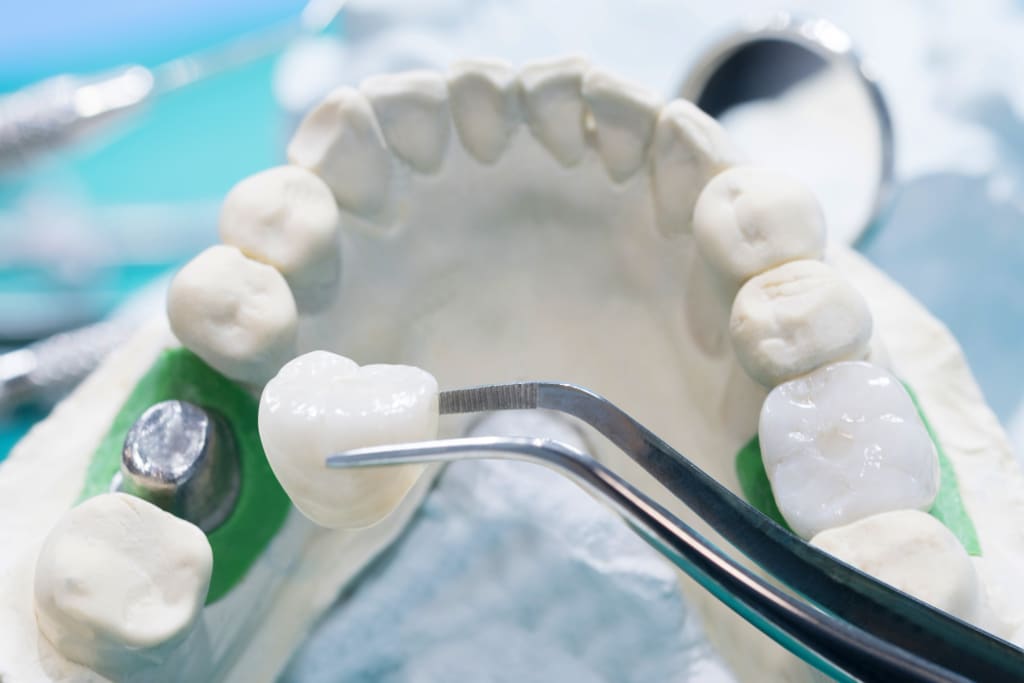
If you’ve ever been told you might need a dental crown, you probably wondered what that means — and why it’s necessary. Although dental crowns are one of the most popular restorative dental procedures, there are a lot of unanswered questions.
This guide will explain when you might need a dental crown, what the procedure involves, and what you can expect before, during, and after.
What is a Dental Crown?
A dental crown is a protective cap covering a damaged, weakened, or cosmetically flawed tooth. Crowns are designed to restore your tooth's appearance and function, blending in naturally with your smile while reinforcing your tooth’s strength.
Different materials exist for crowns, including porcelain, which can combine with ceramic, metal, and resin. Your dentist will suggest the best action based on your preferences, dental health requirements, and the tooth's position.
When Do You Need a Dental Crown?
There are several reasons your dentist might recommend a crown. Some of the most common include:
1. Protecting a Weak or Cracked Tooth
If your tooth is fractured or severely worn down, a crown is a shield to prevent further damage.
2. Covering a Tooth After a Root Canal
The procedure removes an infected tooth yet reduces its structural strength. A crown protects and strengthens the tooth.
3. Restoring a Large Cavity
A crown provides a more stable solution when a cavity is too large for a regular filling to handle.
4. Improving Cosmetic Appearance
In some cases, a crown covers discoloured, misshapen, or poorly aligned teeth, enhancing the look of your smile.
5. Supporting a Dental Bridge
Crowns can also anchor dental bridges, filling gaps left by missing teeth.
The Process of Getting a Dental Crown
The procedure typically happens over two appointments unless your dentist offers same-day crowns using advanced technology like CEREC.
Here’s what you can expect during the process:
Step 1: Examination and Preparation
Your dentist will examine your tooth and possibly take X-rays to assess its health and surrounding bone. If the tooth is suitable for a crown, the dentist will reshape it to create space to fit securely.
Step 2: Impressions and Temporary Crown
Once the tooth is prepared, your dentist will take impressions of it. Your personalised crown is created in a dental lab using these impressions.
In the meantime, you’ll receive a temporary crown to protect your tooth.
Step 3: Fitting the Permanent Crown
During the follow-up appointment visits, the temporary crown will be removed to analyse your new permanent crown for proper fit and check its colour against your teeth. If everything looks and feels right, the crown will be cemented into place.
What to Expect After Getting a Crown
Once your crown is in place, you might experience some sensitivity for a few days, particularly if the tooth has had extensive work. This is usually mild and resolves quickly.
Over time, your crown will feel just like a natural tooth. To keep your crown in good shape, follow these care tips:
- Brush and floss daily, paying attention to where the crown meets your gumline.
- Avoid chewing tough foods, ice, or sticky candy.
- Visits to your dentist support the monitoring of your crown and nearby teeth.
How Long Do Dental Crowns Last?
With proper care, crowns can last 10 to 15 years or even longer. The material used, oral hygiene habits, and chewing patterns affect the lifespan of crowns.
Dental Crowns vs. Fillings: What’s the Difference?
It’s common to confuse crowns with fillings, but they serve different purposes. Fillings repair small areas of damage caused by decay. On the other hand, crowns are designed for teeth that need more extensive restoration, covering the entire visible surface of the tooth.
If your tooth has only minor damage, a filling may suffice. But if it is significantly weakened, a crown offers better long-term protection.
Final Thoughts
A dental crown is reliable when a tooth needs strength and cosmetic improvement. Crowns provide flexibility for addressing various issues and ensure long-lasting teeth protection.
If you’ve been told you might need a crown or you’re noticing issues with a damaged tooth, it’s a good idea to discuss your options with your dentist sooner rather than later. Promptly addressing dental concerns can save the tooth and prevent more complex problems.
If you’re exploring options for dental crowns in Yeronga, our team is here to guide you through the process with professional care. Contact us today to book a consultation meeting to start you on the path to recovering your confident smile.
About the Creator
Ria Family Dental
Ria Family Dental your Trusted Family Dentist in Yeronga, providing advanced dentistry and same day emergency care. Call us on 0451 359 356 or visit us at 451 Fairfield Rd, Yeronga QLD 4104
Keep reading
More stories from Ria Family Dental and writers in Lifehack and other communities.
Why Prevention Is Key in Long-Term Dental Health
Prevention is your greatest friend, as far as oral health is concerned. Instead of waiting for problems like cavities, gum disease, or tooth pain to appear, preventative care focuses on stopping these issues before they start.
By Ria Family Dental4 months ago in Lifehack




Comments
There are no comments for this story
Be the first to respond and start the conversation.